
Masai Mara Safaris 2024/2025 - Travel Guide, Packages and More.
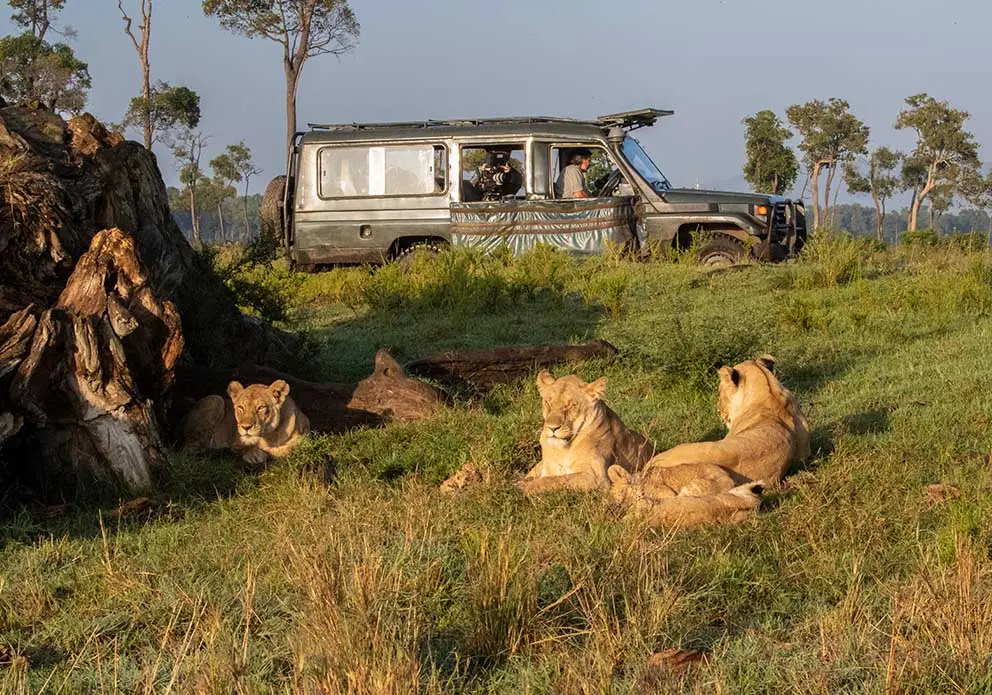
Imagine embarking on a journey to one of the most captivating wildlife sanctuaries on Earth, where the sheer abundance of animal life leaves you in awe. Welcome to the enchanting world of the Masai Mara national reserve, a dramatic wilderness that received national reserve status due to its diverse inhabitants.
At Masai-mara.in, which is owned by Ajkenyasafaris.com ltd, we tailor-make our Masai Mara safari packages to introduce you to the big 5, the big cats, the great wildebeest migration, and the over 500 bird species that reside in Masai Mara.
In other words, the Mara is one of the national reserves in Africa where thrilling wildlife safari destinations and adventures, breathtaking landscapes, and rich cultural experiences await you. Next, we will share everything you need to plan the best Masai Mara safari. But first, let us share our contact details and our most booked Masai Mara safaris.
How to Reach us to Start Planning Your Maasai Mara Safari Packages
The best time to plan your Kenya Safari is now! We invite you to contact us via WhatsApp or phone at +254-704-532-105. We are also available through email at james@ajkenyasafaris.com or safarioffers@ajkenyasafaris.com. We will get back within 12 hours.
Explore our Most Booked, 2024/2025 Masai Mara Safari Packages
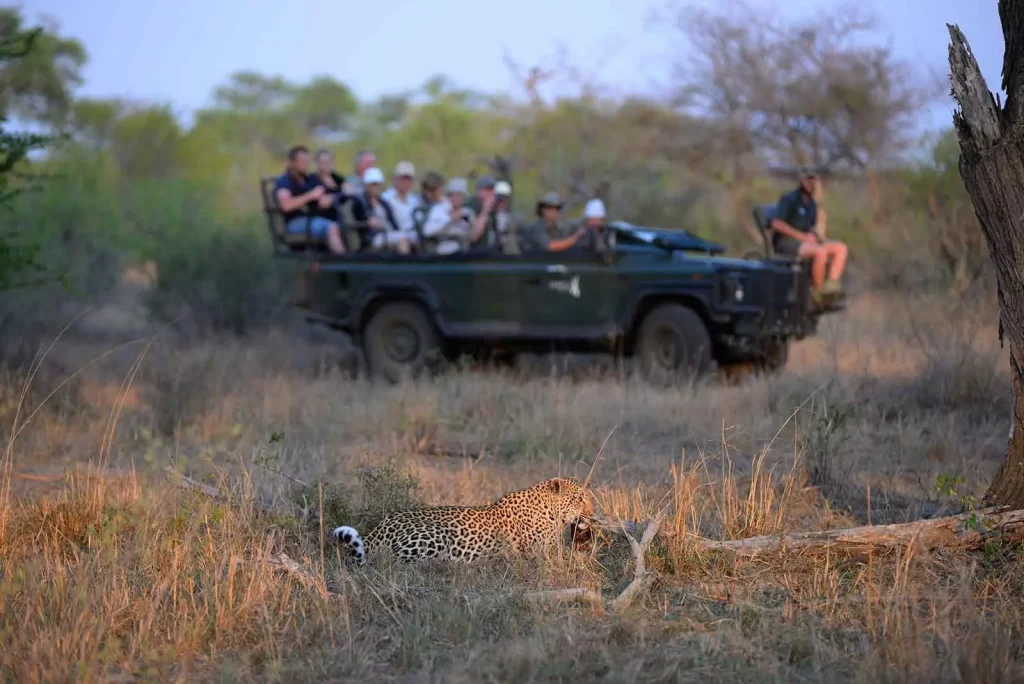
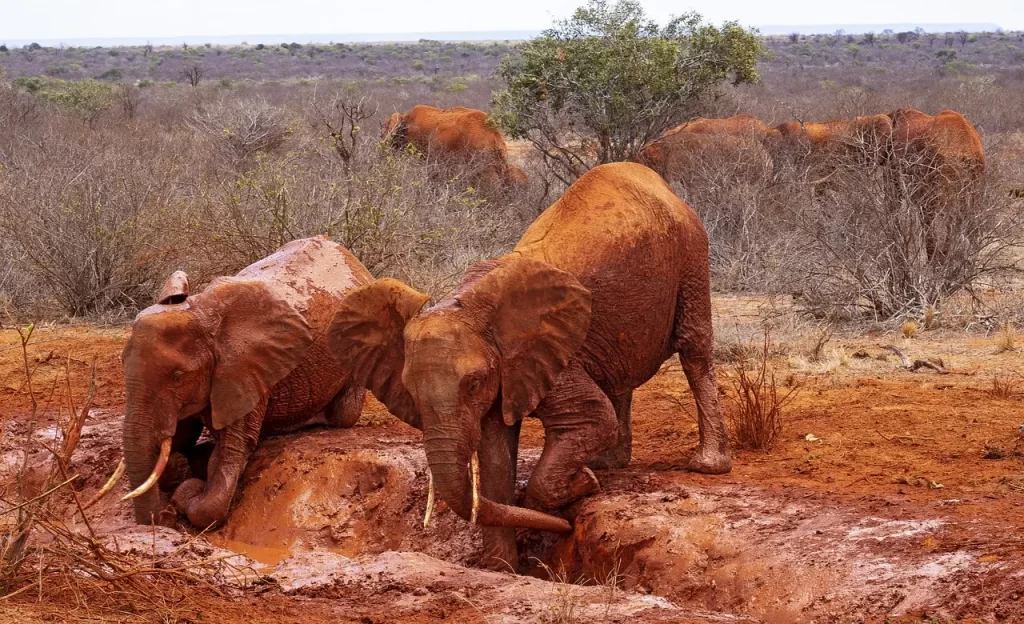
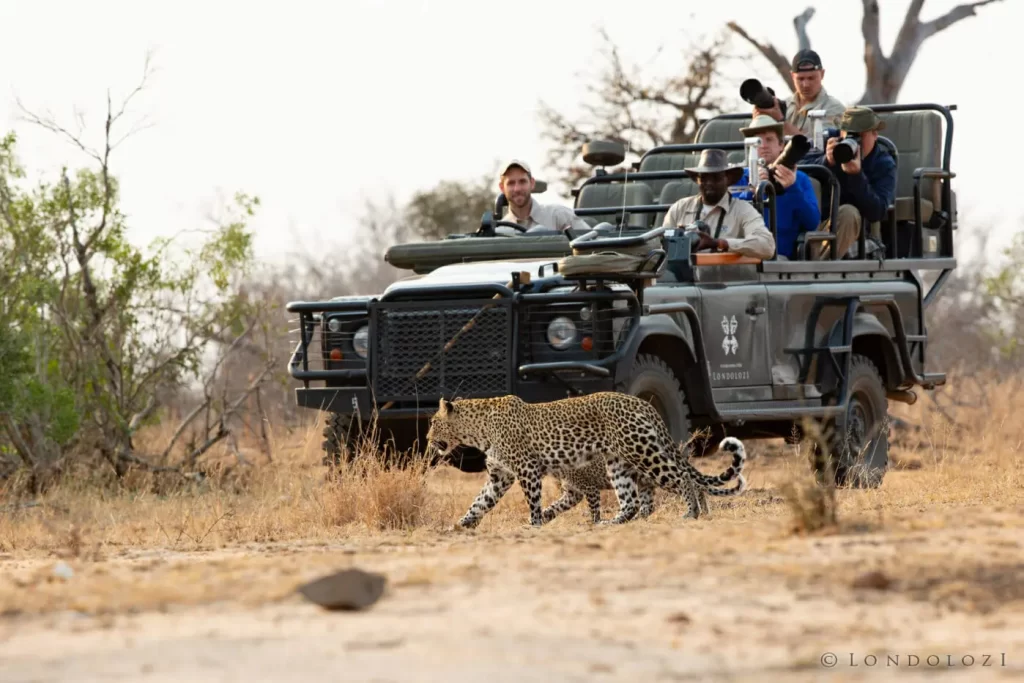
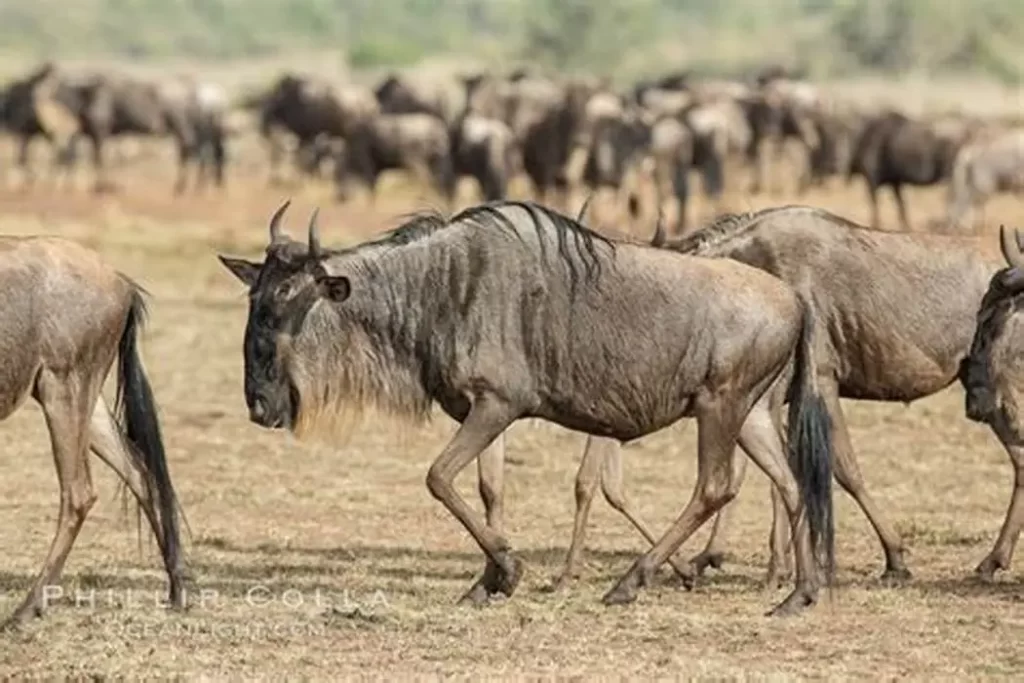
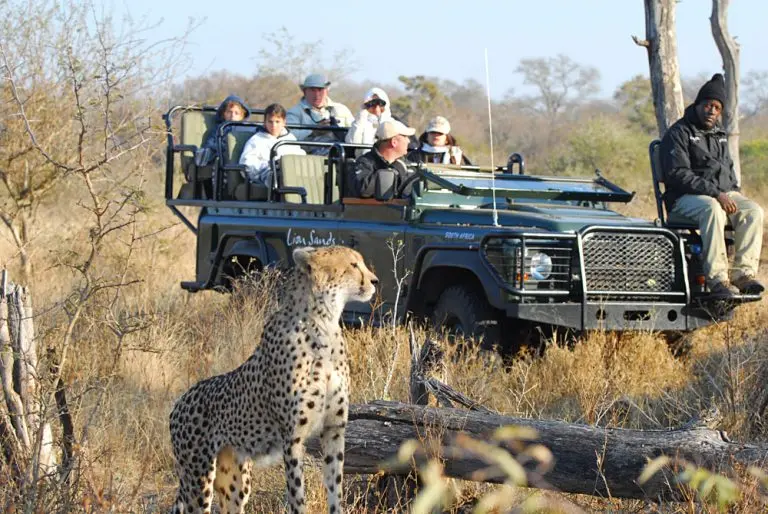
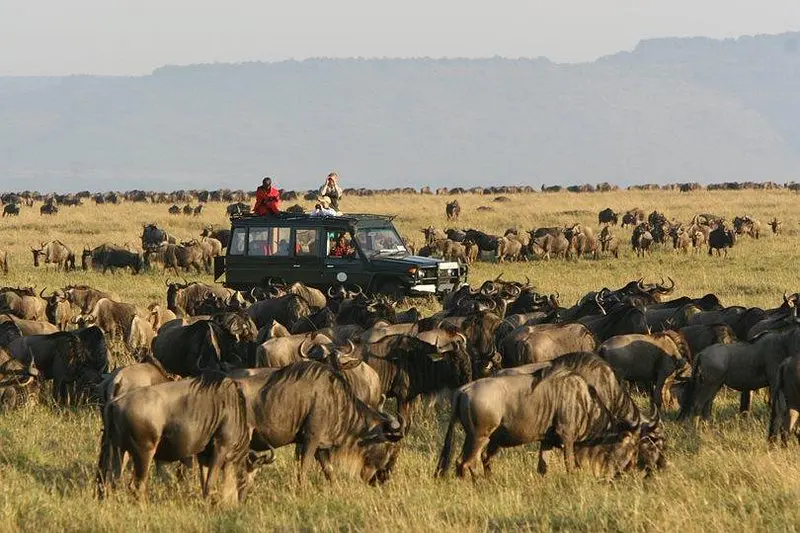
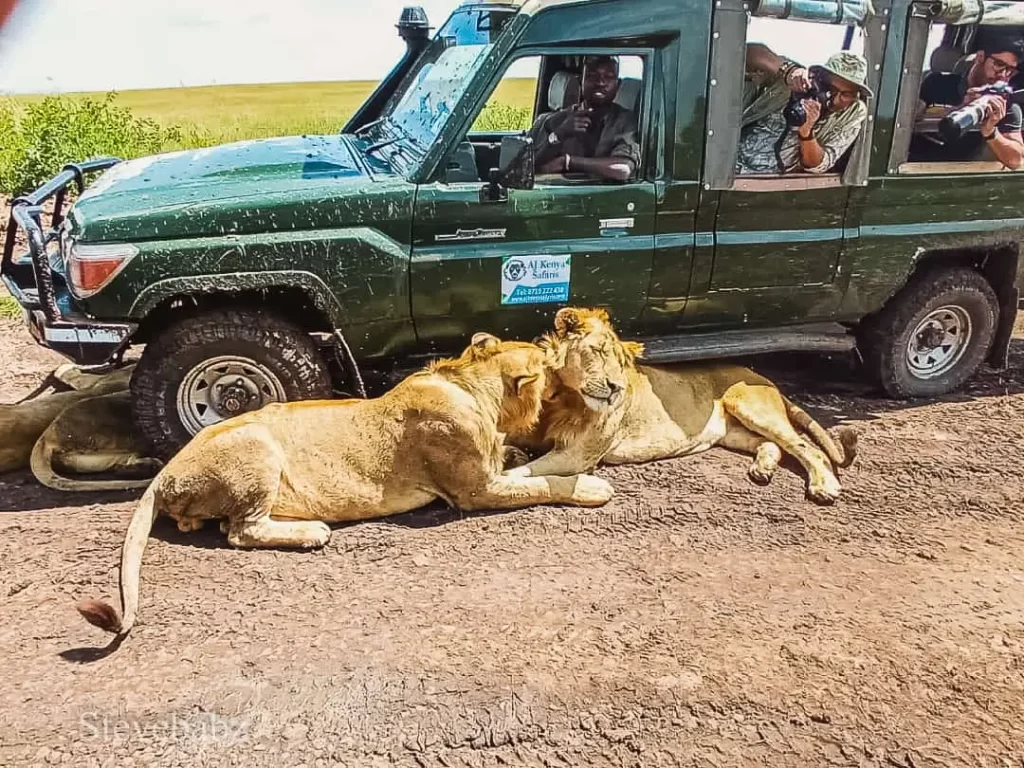
Kenya Safari Masai Mara Packages - Welcome Video by James Gatheru, Our CEO.
Masai Mara Safari from India – Key Takeaways
- Explore the thrilling mysteries of Maasai Mara where wildlife roam freely with game drives, hot air balloon safaris and nature walks!
- Witness the majestic annual Wildebeest Migration in Maasai Mara and discover the unique culture of the maasai community and its wildlife conservation efforts!
- Capture magical wildlife photography of migrating herds which consist of more than a million wildebeest while exploring Mara Ecosystem on your unforgettable African adventure!
- Sample the exquisite arts and crafts of the maasai tribe, and go home with handcrafted souvenirs.
Discovering Maasai Mara Adventures
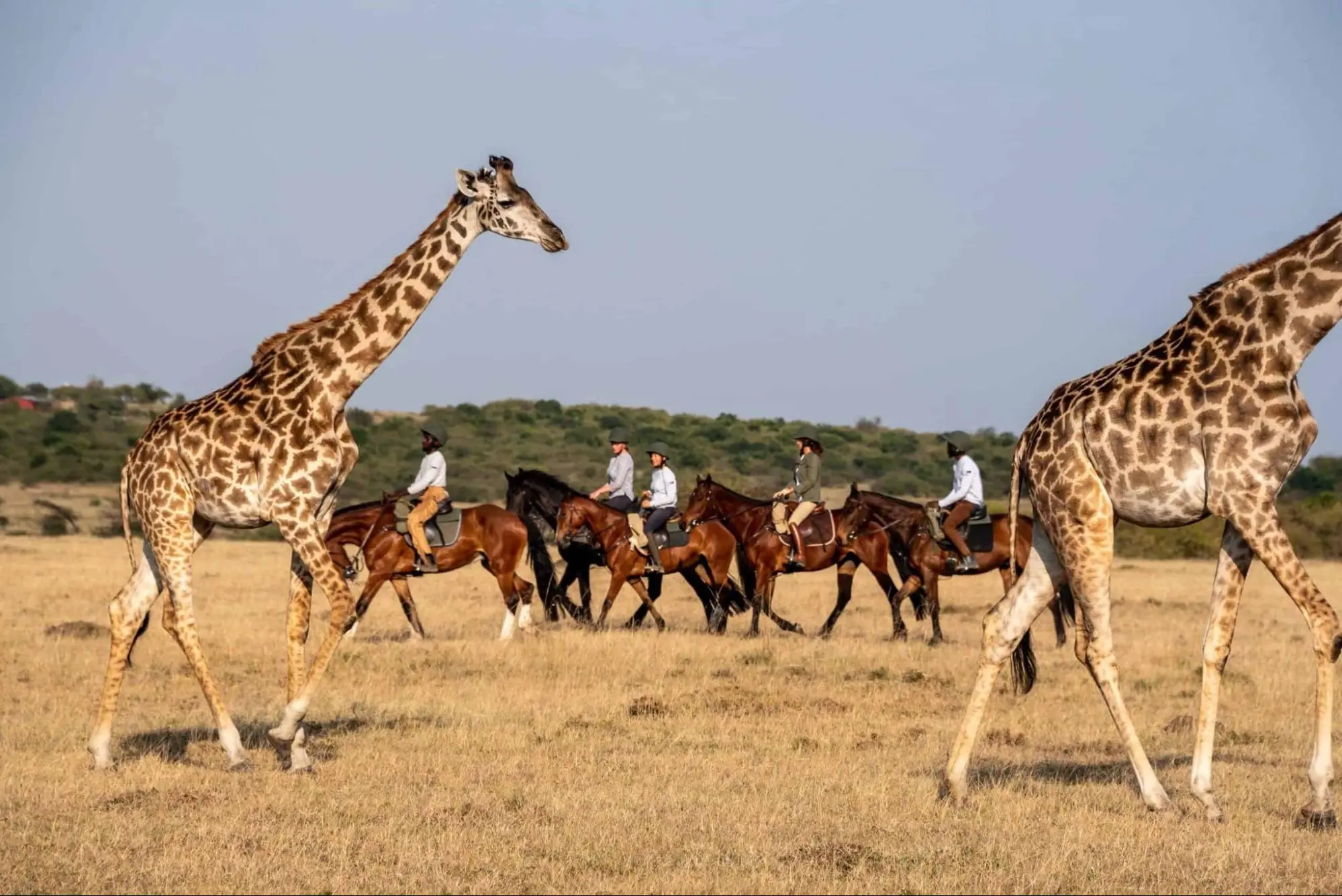
Nestled in southwestern Kenya, the Maasai Mara game Reserve, also known as Masai Mara National Reserve, is a treasure trove of thrilling wildlife experiences that will leave you spellbound. Some of the activities you can enjoy in Masai Mara include:
- Game drives through the untamed maasai mara wilderness
- Soaring above the plains on a hot air balloon safari
- Walking in this Africa savannah of endless plains in the mara north conservancy with experienced Maasai guides
Masai Mara National reserve, also known as Masai Mara Reserve, promises a safari adventure like no other, with its masai mara highlights offering unforgettable experiences. Don’t miss the opportunity to watch a captivating masai mara video that showcases the beauty of this incredible destination, as well as the neighboring Serengeti National Park.
Join us as we delve into the captivating world of Maasai Mara tours, introducing the multitude of ways to experience this enchanting land.
Game Drives
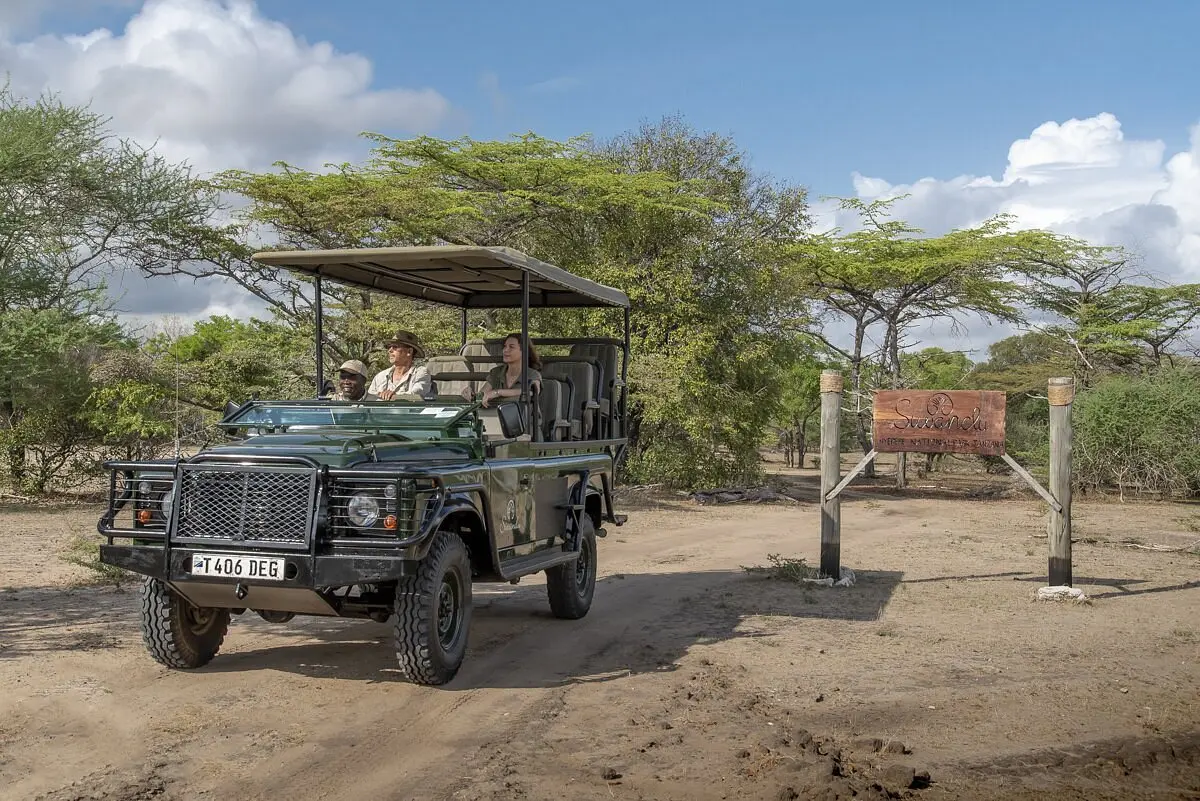
Nothing quite compares to the adrenaline rush of a game drive through the vast landscapes of Maasai Mara national reserve, where the stage is set for unforgettable wildlife encounters.
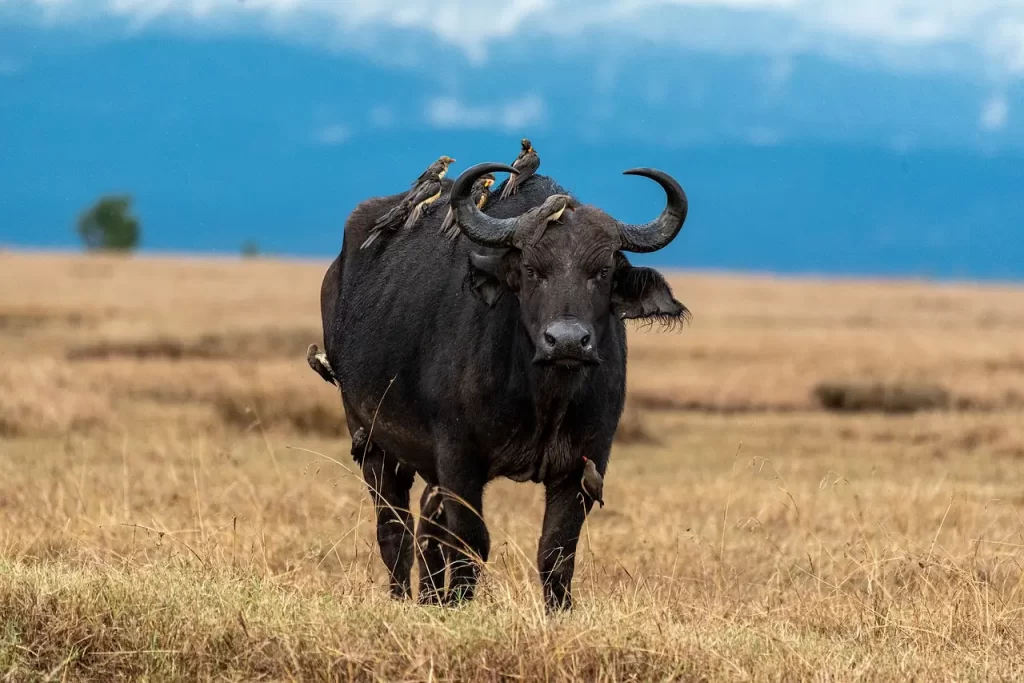
Led by experienced guides, these game drives bring you up close and personal with the Big Five – lion, leopard, elephant, buffalo, and rhino – in their natural habitat. One of the most captivating aspects of Maasai Mara is the Mara Triangle, known for its well-maintained gravel roads, fewer accommodations, and exceptional game viewing experiences.
Choosing to stay within the Mara Triangle offers numerous benefits, including less poaching, rigorous control over vehicle numbers around animal sightings, and truly fantastic game viewing.
Elewana Sand River Camp, for instance, is a testament to the unparalleled wildlife encounters in the area. From witnessing the pride of lions to observing the playful antics of hippos, you won’t be disappointed by the abundance of wildlife found here.
Masai Mara’s game drives are not limited to the Mara Triangle. The entire reserve boasts an incredible array of wildlife, promising awe-inspiring encounters at every turn.
The African savannah’s sunset marks the end of your game drive, leaving you with a cache of memories and a renewed admiration for the majesty of the animal kingdom.
Hot Air Balloon Ride
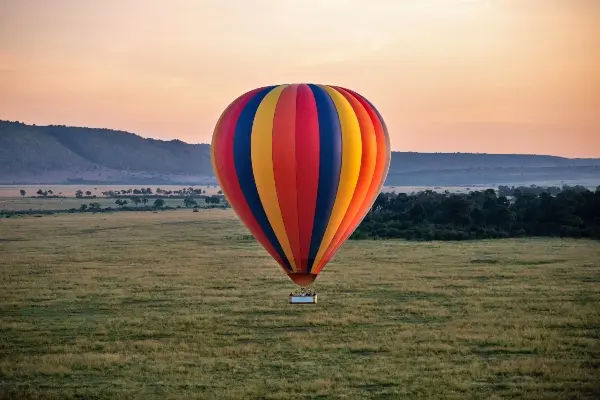
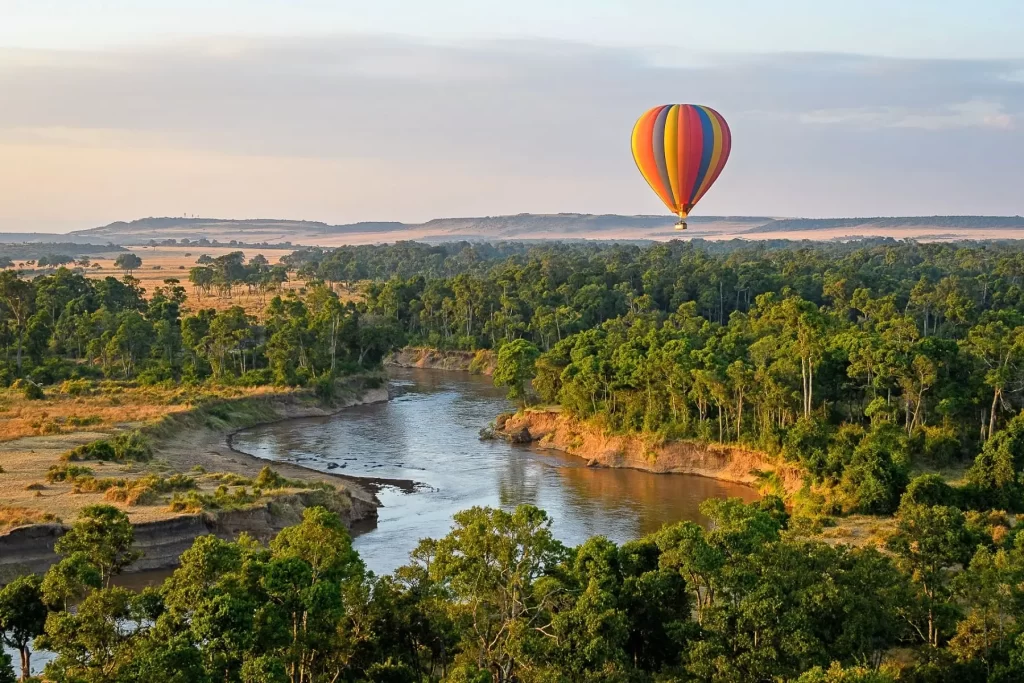
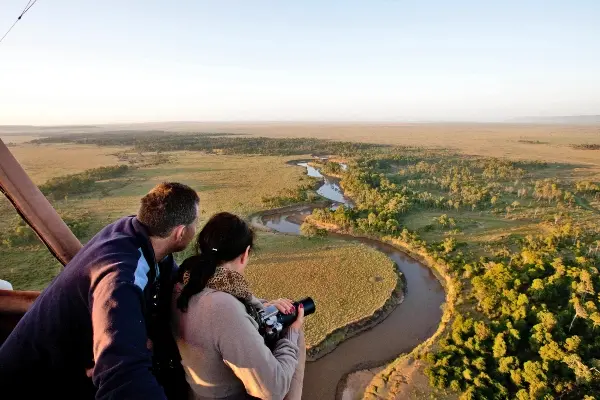
For a truly unique perspective of the Masai Mara, take to the skies in a hot air balloon safari. As you gently float above the vast plains, you’ll be treated to a bird’s-eye view of:
- the abundant wildlife
- breathtaking landscapes
- the diverse habitats
- the animals that call them home
The best flight paths for hot air balloon safaris follow the course of the Mara River, offering incredible views.
Hot air balloon safaris in Maasai Mara national reserve typically include:
- Beginning at dawn, around 5 am, when the air is cool and calm
- Ascending into the sky as the sun rises, casting a golden glow on the land below
- Enjoying the silence interrupted only by the occasional roar of the burners
- Fully immersing yourself in the beauty of the sprawling Africa savannah
Once you touch down on the plains, a sumptuous bush breakfast, complete with champagne, awaits. It’s the perfect celebration for such a unique experience. Toasting to your memorable hot air balloon safari will leave you with enduring memories.
Walking Safaris
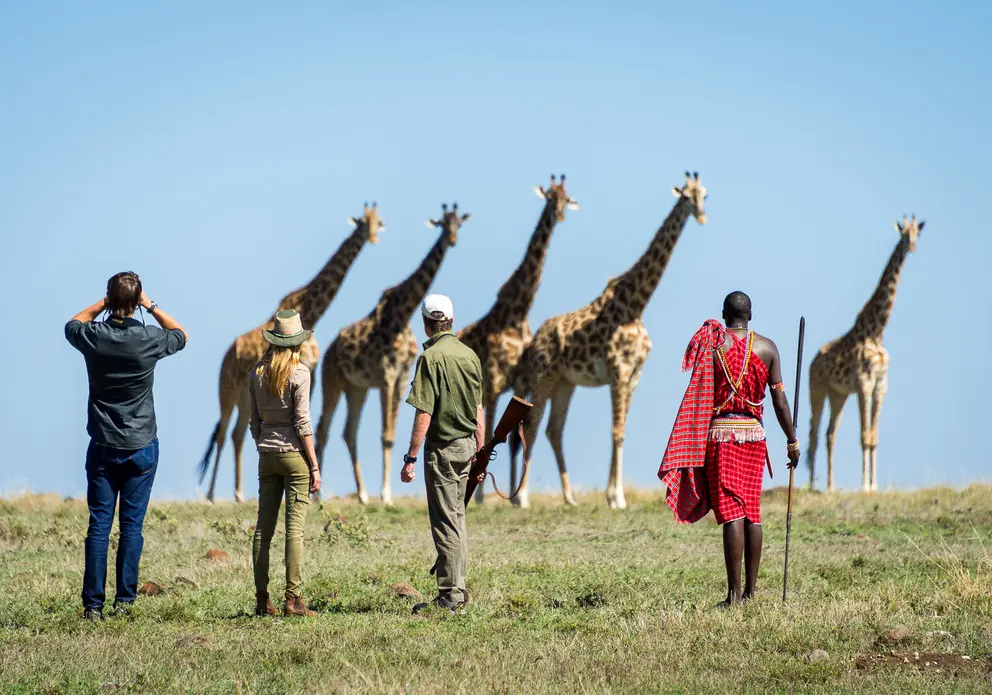
For those seeking a more intimate connection with the African wilderness, nature walks offer the perfect opportunity to immerse yourself in the breathtaking beauty of the Masai Mara reserve. Led by knowledgeable Maasai trackers, these safaris provide a unique insight into the region’s flora and fauna, while ensuring your safety during these thrilling excursions.
Walking tours in Masai Mara allow you to encounter an array of wildlife, including:
- lions
- cheetahs
- leopards
- elephants
- giraffes
- zebras
- wildebeests
- a plethora of bird species
They also expose you to maasai pastoral ranches where you get a first-hand encounter with traditional maasai culture. Did you know that the masai people typically live in a traditional maasai manyatta (hut) made of dung and twigs? The structure has served as a family tent for centuries! and none of the wild creatures attack these fascinating tribes of people.
The best season to embark on a walking safari is during the long cool-dry season, from July to October, offering optimal wildlife viewing opportunities and more comfortable temperatures for exploring on foot.
In addition to the exhilarating wildlife encounters, walking tours provide a unique opportunity to:
- Learn about the Maasai people and their connection to the land
- Traverse the diverse landscapes of Masai Mara
- Have Maasai guides share their extensive knowledge of the region’s ecology, wildlife, and traditional customs
This further enriches your safari experience.
Regardless of whether you embark on a multi-day trek or a leisurely day walk, a walking safari in Masai Mara provides a memorable adventure, fostering a genuine connection with the African wilderness. As you return to camp at the end of your journey, the memories of your time spent exploring the savannah on foot during nature walks will undoubtedly remain etched in your heart.
The Annual Wildebeest Migration
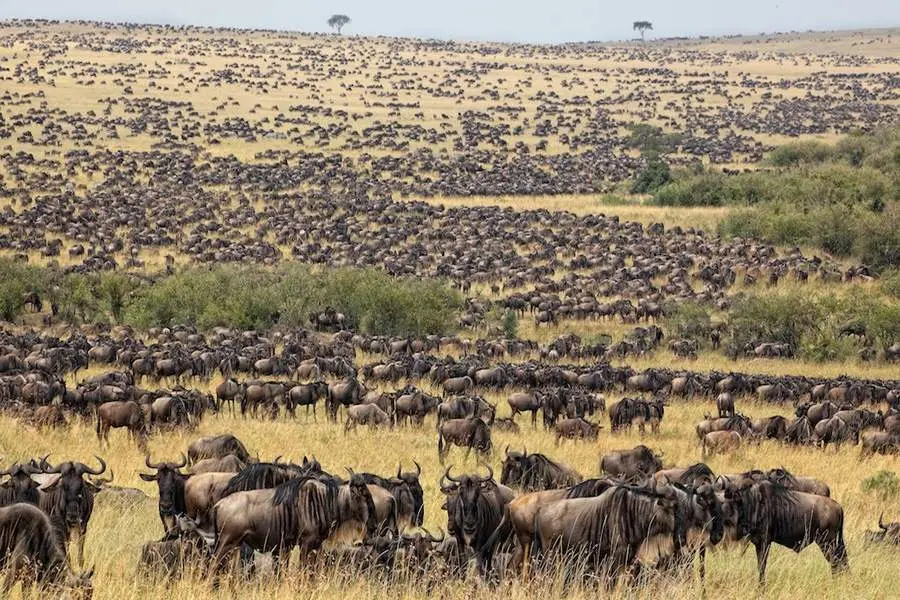
The Masai Mara is synonymous with the awe-inspiring annual great Migration, an annual spectacle that sees millions of wildebeest, zebras, and gazelles cross the Mare River, and traverse the plains in search of greener pastures and water. This natural phenomenon, which typically occurs between August and November, attracts apex predators such as the big cats, as well as visitors from around the world, eager to witness the drama and beauty of the migration firsthand.
Did you know that the Mara’s African savannah was where the epic television documentary ‘Big Cat Diary’ was filmed?
Accommodation options during the high season of the annual Wildebeest Migration can be limited, but with careful planning, you can secure a prime location to witness this incredible event. As the herds move across the plains, dramatic river crossings unfold, with enormous crocodiles lying in wait for their next meal. The sights, sounds, and excitement of the migration make for an unparalleled wildlife experience that will leave you speechless.
As you watch the endless stream of wildebeest and other animals make their way across the vast landscapes of the Masai Mara, you’ll be reminded of the power and resilience of nature. The Migration is an unprecedented experience that instills a profound appreciation for the annual incredible spectacle on the Kenyan savannah.
Accommodation Options in Masai Mara
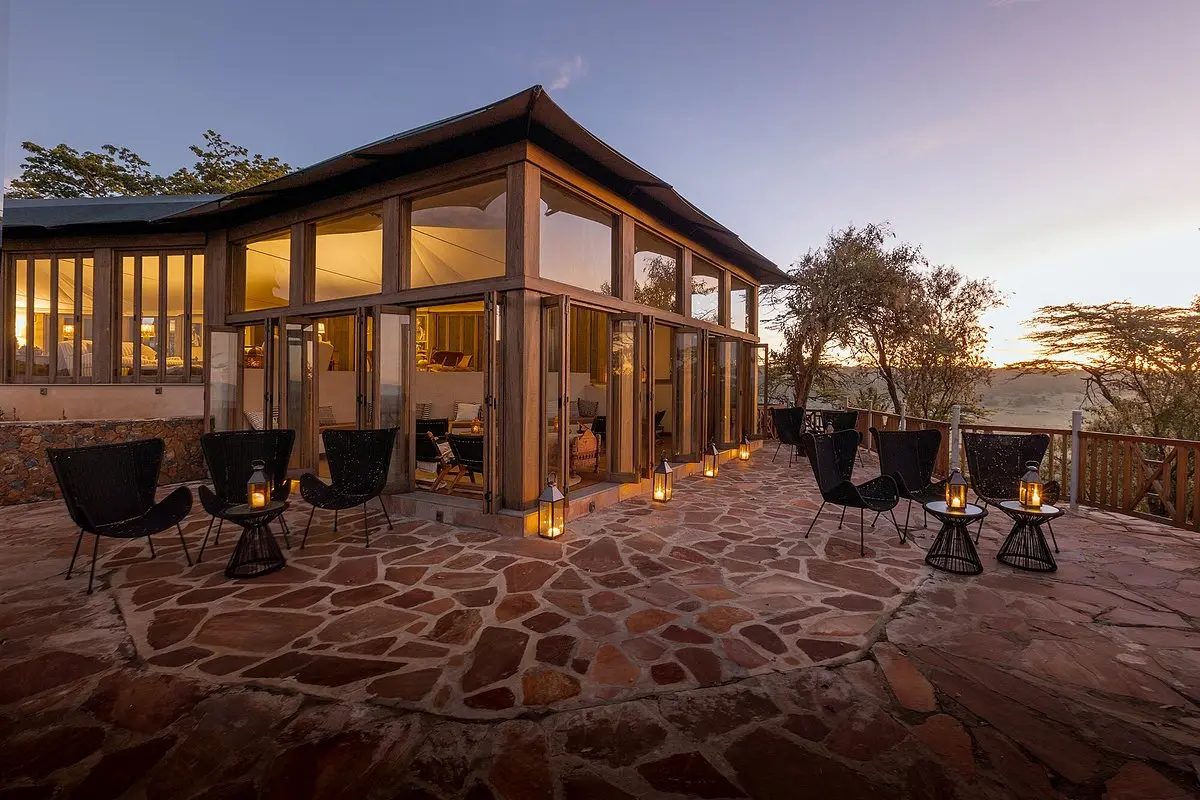
From luxury lodges to tented camps, Masai Mara offers a diverse range of accommodation options to suit every traveler’s preferences and budget. Each accommodation option within the reserve and private conservancy provides its unique experiences and amenities, ensuring that your stay in Masai Mara is as unforgettable as the wildlife encounters themselves.
Luxury seekers can indulge in the opulence of lodges such as:
- Mara Intrepids Tented Camp, strategically located for viewing of big cats.
- Mara river lodge, which is incredibly close to the Mara River where most of the migration drama occurs.
- Sarova mara, with its luxurious family tents.
- Sentinel Mara Camp which is perfect for game viewing.
- Mara Engai Wilderness Lodge
- Governors’ Camp located on the banks of Mara River.
- Angama Mara within the mara triangle is one of the reserve’s prime safari destinations and offers stunning views of the great rift valley.
- Kichwa Tembo Tented Camp, set between the Oloololo escarpment and the Sabaringo river, where the riverine forest meets the big cat-rich mara plains.
- Bateleur camp, excellent for bush walks and interactions with the maasai tribe
- Rekero camp is a prime game viewing area.
These lavish lodges offer exceptional service, stunning locations, and world-class amenities. They also provide unparalleled wildlife viewing opportunities, often from the comfort of your private veranda or cozy lounge area.
For travelers on a budget, the reserve has plenty of affordable accommodation options, including:
- Mara West Camp
- Greenwood Safari Camp
- Maasai Homestay Camping
- Porini Mara Camp
- Talek Bus Camp
- Fisi Camp
These budget-friendly options still provide excellent access to prime game viewing areas and a chance to immerse yourself in the magic of the African bush.
Regardless of your accommodation choice, the breathtaking beauty of the phenomenal park and its abundant wildlife will surround you. Whether you’re sipping your morning coffee in Ol kinyei conservancy while watching a herd of elephants meander through the plains, or relaxing by a crackling campfire under a blanket of stars, your stay in Masai Mara will be an experience you’ll never forget.
Maasai Culture and Community
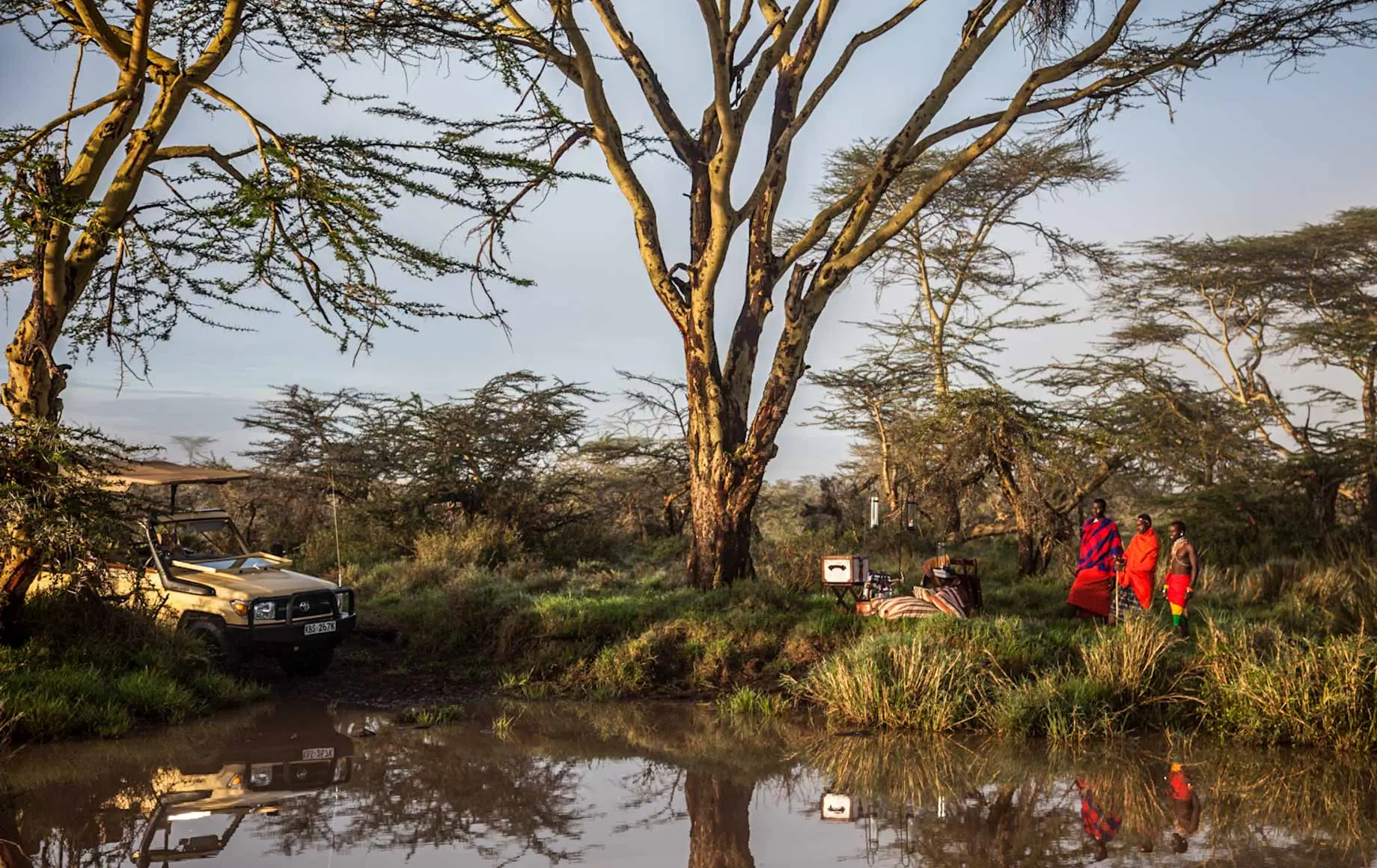
The rich Maasai culture and community are integral to the Masai Mara experience. These semi-nomadic people have inhabited the region for centuries and have developed a deep connection with the land and its wildlife.
As you embark on your Masai Mara safari, you’ll have numerous opportunities to interact with Maasai guides and camp staff, offering a fascinating glimpse into their traditions, customs, and way of life.
With the growth of safari tourism, many Maasai have become expert safari guides and camp managers, sharing their extensive knowledge of the region and its wildlife with visitors from around the world. As you explore the Masai Mara with your Maasai guide, you’ll gain invaluable insights into the ecosystems, animal behavior, and the unique challenges faced by the wildlife and local communities.
In addition to learning from your Maasai guides, you may also have the opportunity to:
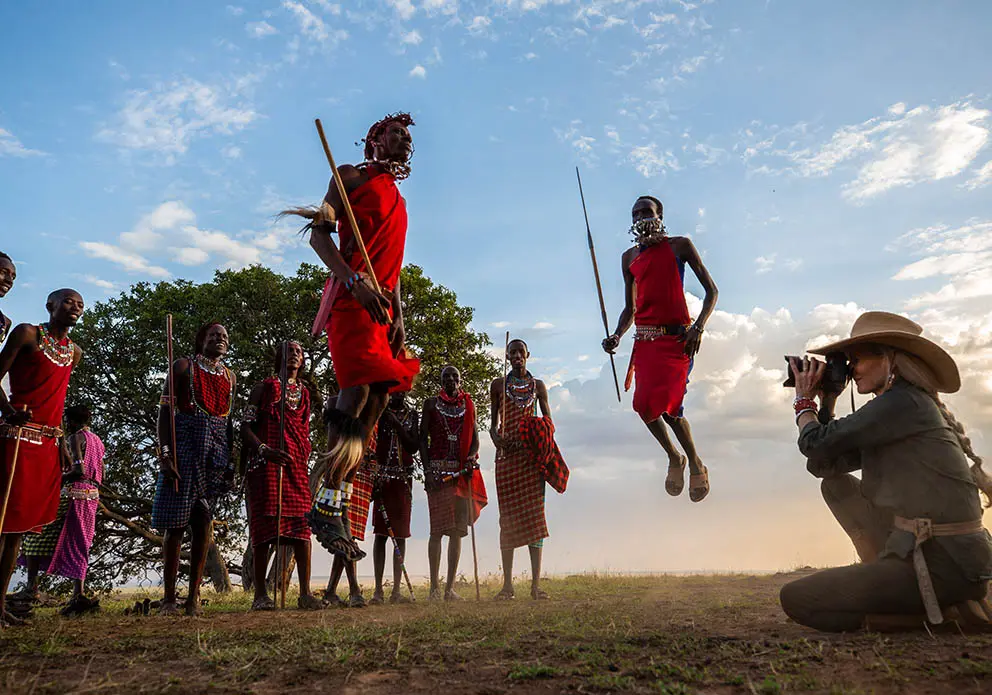
- Visit local villages and experience traditional Maasai culture firsthand
- Witness the vibrant clothing, intricate hairstyles, and elaborate jewelry that characterize the Maasai people
- Gain a deeper understanding of their customs and way of life as they navigate the challenges and changes of the modern world while preserving their traditions
Immersing yourself in the Maasai culture and community leads to an understanding of their crucial role in the conservation and preservation of the Masai Mara. Their knowledge, skills, and respect for the land and its wildlife are essential to the ongoing efforts to protect this incredible region and ensure its future for generations to come.
Conservation Efforts in Masai Mara
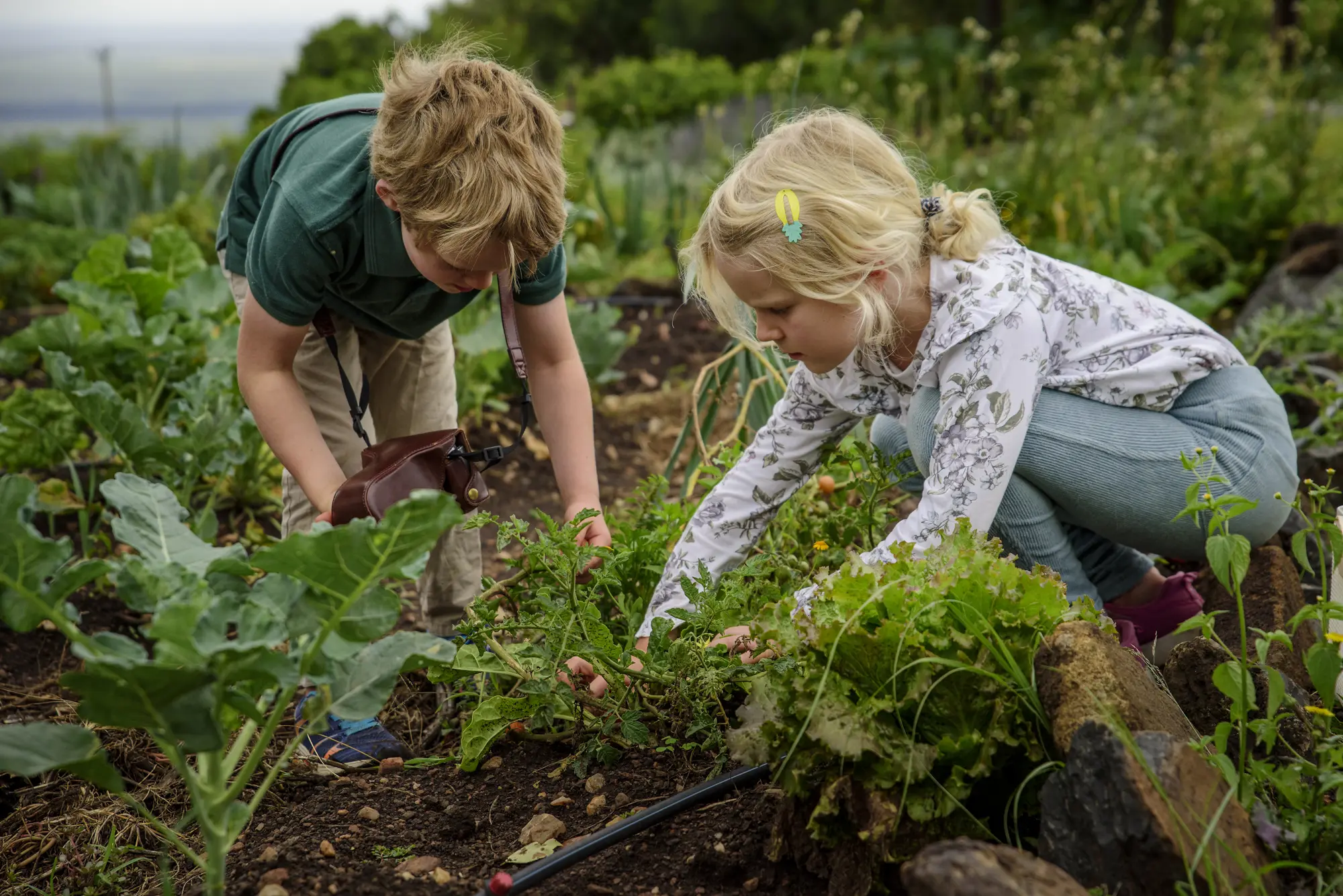
The delicate ecosystem and diverse wildlife of Masai Mara are under constant threat from factors such as habitat loss, poaching, and human-wildlife conflict. To address these challenges, ongoing conservation efforts by the Narok county council and local communities are in place, aimed at preserving the region’s unique landscapes and protecting its incredible array of animal species.
One of the most significant conservation initiatives in Masai Mara is the establishment of private conservancies on Maasai-owned land. These conservancies, such as Mara North Conservancy, Mara Naboisho, and Ol Kinyei, allow local landowners to lease their land to safari companies and lodges, who then pay monthly conservation fees that benefit the community and fund education and development initiatives.
This collaborative effort is supported by the Trans Mara County Council, ensuring the preservation of the region’s natural resources.
In addition to the conservancies, organizations such as the Mara Elephant Project and the Mara Predator Project are actively working to protect the region’s wildlife populations and ensure their survival. These initiatives, along with the efforts of the local Maasai communities, are essential in maintaining the balance between human needs and the preservation of the Masai Mara’s unique natural heritage.
Embarking on your Masai Mara safari presents the opportunity to witness the remarkable results of these conservation efforts firsthand. Some of the benefits of these efforts include:
- Thriving wildlife populations
- Restoration of overgrazed land
- Preservation of the unique ecosystem
- Sustainable tourism practices
The dedication and passion of those working to protect this remarkable region ensure that the magic of Masai Mara continues to captivate visitors for years to come.
Exploring the Greater Mara Ecosystem
While the Masai Mara National Reserve often takes center stage, the Mara Ecosystem offers a wealth of additional experiences for those eager to venture beyond the reserve’s boundaries.
This vast ecosystem encompasses the Maasai Mara National Reserve, the Mara Triangle, and several Maasai Conservancies, each offering unique opportunities to explore and connect with the region’s incredible wildlife and landscapes.
Private conservancies, such as Mara Siana, Olare Motorogi, and Enonkishu, provide an alternative to the national reserve, with the following benefits:
- Fewer tourists
- More flexible safari activities
- Off-road driving
- Night drives
- Walking tours
- Often boast some of the highest concentrations of animals in the region.
As you explore the Mara Ecosystem, you’ll be treated to a diverse range of wildlife encounters and breathtaking landscapes. From the riverine forests and acacia woodlands of the conservancies to the sweeping plains of the national reserve, each area within the greater ecosystem offers a unique and unforgettable experience.
With so much to discover, the Greater Mara Ecosystem is a treasure trove of adventure just waiting to be explored.
Tips for Planning Your Masai Mara Safari
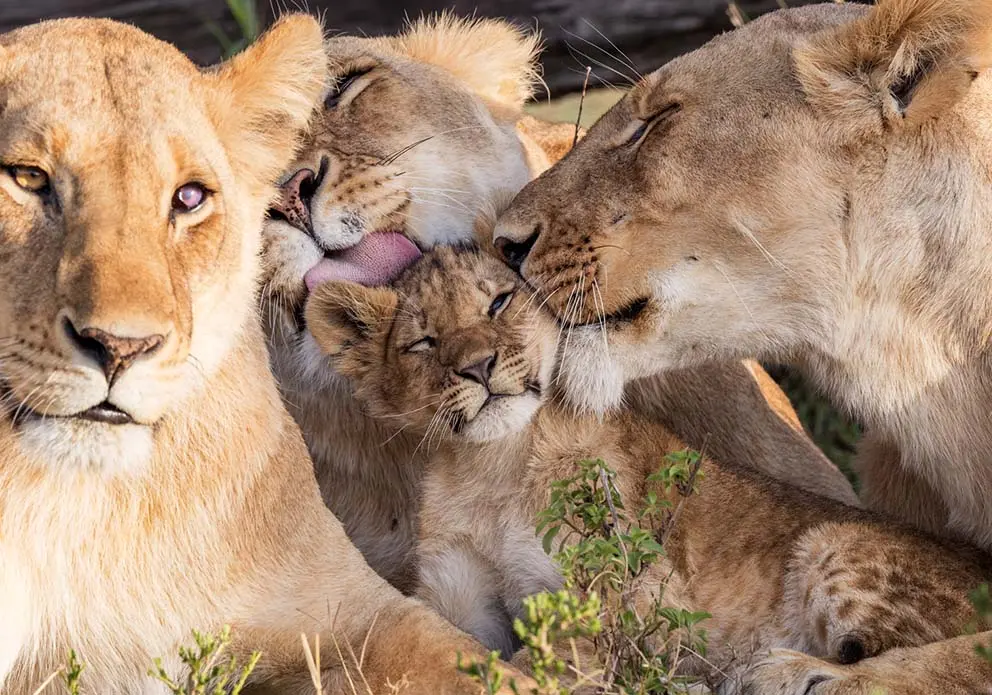
Proper planning is vital to guarantee the success of your Masai Mara safari. The best time to visit the region is during the long cool-dry season, from July to October, when wildlife viewing is at its prime, and the Wildebeest Migration takes place.
However, Masai Mara’s abundant resident game can be enjoyed all year round, so don’t hesitate to plan your safari outside of the peak season.
Reaching Masai Mara from Nairobi is easy, with the option to drive or fly. The distance is approximately 225 kilometers (140 miles), taking about 6 hours by road. Alternatively, direct flights from Nairobi to Masai Mara are available through recommended airlines such as Air Kenya and Safarilink.
When it comes to packing for your Masai Mara safari, lightweight and breathable clothing in neutral colors is highly recommended. Don’t forget a warm layer for early morning game drives, a thin windproof jacket, and a hat for sun protection.
Additionally, be sure to follow the expert safety precautions provided by your guide and accommodation, such as respecting the Maasai people and their culture, staying in designated areas, and keeping a safe distance from wildlife.
By following these tips and immersing yourself in the excitement of planning your Masai Mara safari, you’ll be well on your way to creating memories that will last a lifetime. The magic of the African wilderness awaits; let the adventure begin!
Capturing the Magic: Wildlife Photography in Masai Mara
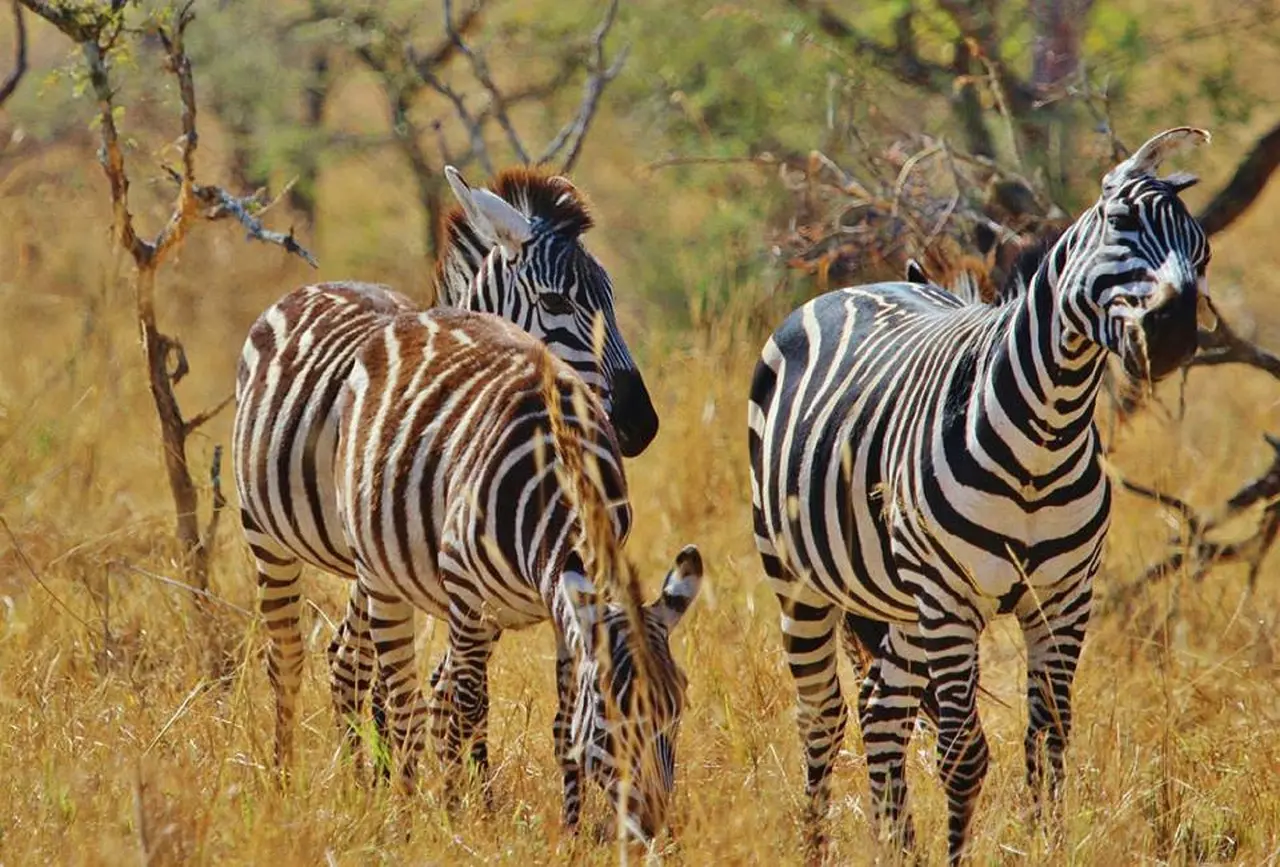
With its breathtaking landscapes and diverse wildlife, Masai Mara is a haven for photographers. Whether you’re an experienced wildlife photographer or just looking to capture the magic of your safari adventure, Masai Mara offers countless opportunities to create stunning images that will evoke memories of your journey for years to come.
The best times of day for wildlife photography in Masai Mara are during dawn and dusk when the animals are most active, and the lighting is soft and golden. Keep your camera at the ready, as you never know when you’ll come across an incredible sighting or an unforgettable moment.
To capture the perfect shot, a zoom lens in the range of 100-400mm is highly recommended, allowing you to get close-up images of the wildlife while maintaining a respectful distance. A tripod with a gimbal head is also suggested for stability, ensuring your images are sharp and clear.
As you explore the captivating world of Masai Mara, take the time to appreciate the beauty that surrounds you, and share your experiences through the art of photography. Whether you’re documenting the dramatic river crossings of the Great Wildebeest Migration or the tender moments shared between a lioness and her cubs, your images will serve as a lasting reminder of the magic that is Masai Mara.
Summary
From the exhilarating game drives and awe-inspiring Great Wildebeest Migration to the enchanting Maasai culture and ongoing conservation efforts, Masai Mara promises an unforgettable safari adventure.
With its breathtaking landscapes, diverse wildlife, and unique cultural experiences, there’s no doubt that the Masai Mara will capture your heart and imagination, leaving you with memories that will last a lifetime. So, are you ready to embark on the ultimate wildlife adventure?
Frequently Asked Questions
Next, we look at the most common questions about Masai Mara safaris.
How much does it cost to go to Masai Mara?
Experience a wildlife-filled adventure to Masai Mara at an affordable cost – package prices start at \$204! Get ready for the trip of a lifetime!
Which month is best for Masai Mara safari?
If you want to witness the incredible Great Wildebeest Migration, then late June to October is the best time to visit the Masai Mara for wildlife viewing. With mild temperatures and clear blue skies, it’s the perfect safari season!
How much does Masai Mara safari cost from India?
Experience the beauty of Masai Mara with popular tour packages starting from Rs. 42,400 per person! Get ready for the East Africa adventure of a lifetime!
Why is Masai Mara so expensive?
Visiting the Masai Mara during peak season, when the Great Migration occurs, can make it an expensive experience due to the influx of tourists. Accommodation and activities prices spike during this time making it a costly adventure.
What is special about Maasai Mara?
Experience the magic of the Great Migration at the Masai Mara, where 1.5 million wildebeests make their grand entrance each year! Offering spectacular safari experiences amidst abundant wildlife, whether you choose to visit the reserve, private conservancy, or group ranches, the mara provides an unforgettable adventure to all.
