
The Complete Guide of Nairobi to Masai Mara National Reserve
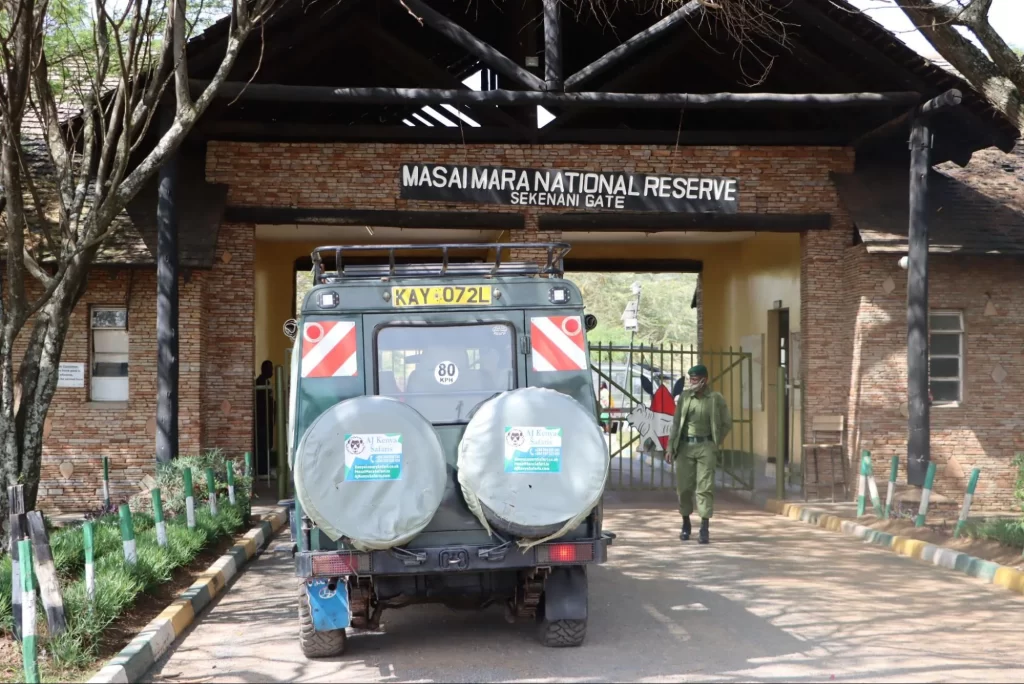
Embarking on a thrilling journey from Nairobi to Masai Mara. The world-renowned Masai Mara National Reserve is a dream come true for many adventure-seekers and wildlife enthusiasts. With a variety of transportation options, unique safari experiences, and accommodations catering to all budgets, your unforgettable adventure awaits.
Masai Mara National Reserve is located in southwestern Kenya, approximately 270 kilometers from Nairobi. This iconic park is home to a wide variety of flora and fauna, including the big five – lions, leopards, elephants, buffalos and rhinos. You can experience the thrill of seeing these magnificent creatures in their natural habitat through game drives or hot air balloon safaris.
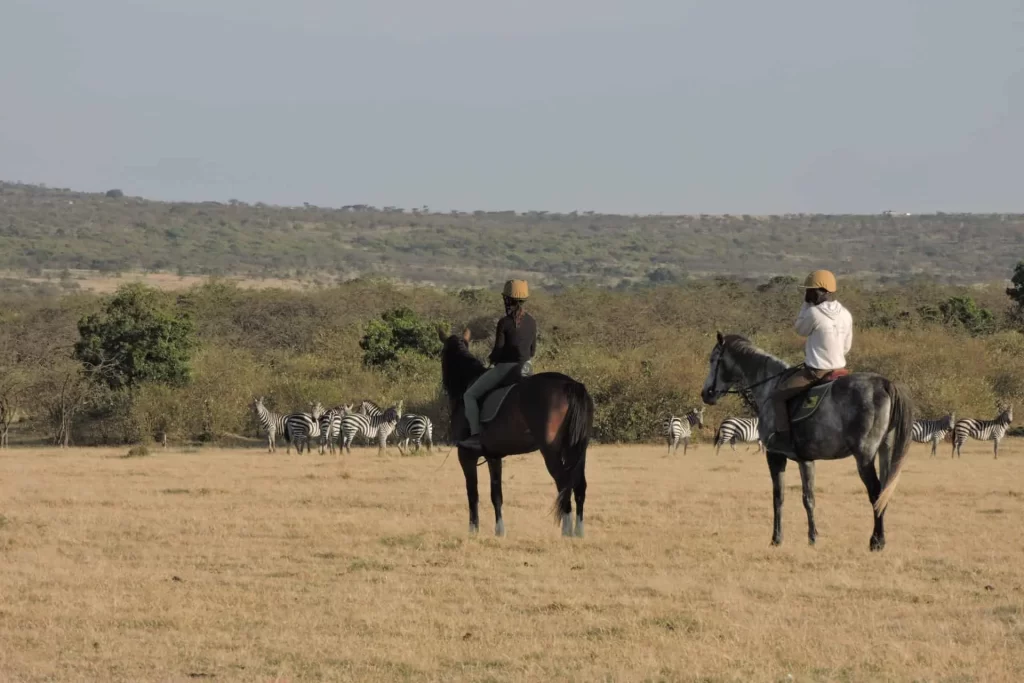
But Masai Mara is not just about wildlife. It is also a cultural hub with its most famous inhabitants being the Maasai people. These semi-nomadic pastoralists have maintained their traditional way of life, making them one of the most well-known ethnic groups in Africa. Visitors to Masai Mara can learn about their customs and traditions by visiting a Maasai village or participating in cultural activities such as beadwork and traditional dances.
Get ready to immerse yourself in the breathtaking landscapes and abundant wildlife of East Africa’s crown jewel!
NAIROBI TO MASAI MARA- IMAGES TAKEN BY OUR GUEST
How to Book Your Nairobi to Masai Mara Safari with Us
We invite you to contact us via WhatsApp, phone, or email, and we shall plan the best Kenya safari for you. Whatsapp: +254-748-258-880 and Email: james@ajkenyasafaris.com or Safarioffers@ajkenyasafaris.com. We are the local experts in Kenya tour package safaris from India, and we promise to show you Kenya better than anyone else.
Our Most Booked Masai Mara & Kenya Tours
Price Per Person From | Safari Itinerary | |
3 Days Masai Mara Safari | USD 742 | |
4 Days Masai Mara Safari | USD 1040 | |
5 Days Masai Mara Safari | USD 1337 | |
6 Days Kenya Safari | USD 1387 | |
7 Days Kenya Safari | USD 1750 | |
8 Days Kenya Safari | USD 2602 | |
13 Days Honeymoon Safari | USD 7482 | |
1 Day Nairobi National Park Safari | USD 34 |
Journey from Nairobi to Masai Mara
Venturing from bustling Nairobi to the captivating Masai Mara is an experience like no other. Whether you prefer the speed and convenience of flying or the independence of a private vehicle rental, your journey to the heart of Kenya’s most famous national reserve will be filled with anticipation and excitement.
For those who enjoy the company of fellow travelers, group tours and shuttles offer a more affordable and social way to explore the wonders of this incredible destination. Among the transportation options available, the following are popular ways to reach Masai Mara:
- Flying from Wilson Airport: This is the quickest and most convenient option.
- Private vehicle rentals: This provides flexibility for the more adventurous traveler.
- Group tours and shuttles: These cater to those seeking an economical and sociable experience.
No matter your preference, the journey to Masai Mara is one you’ll cherish forever.
Flying from Wilson Airport
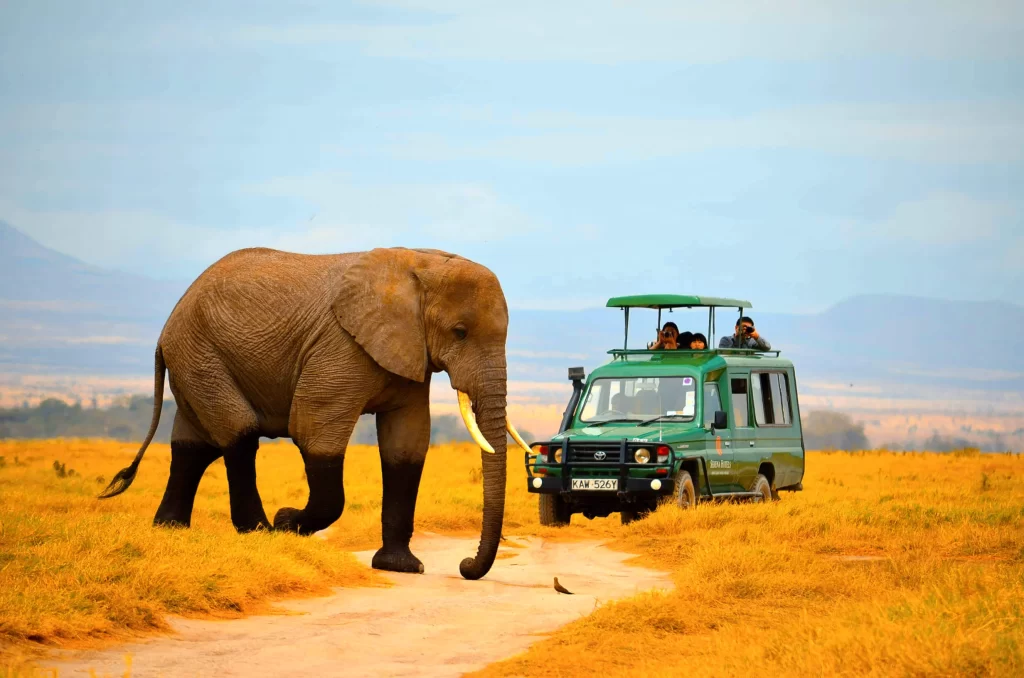
Soaring above the breathtaking landscapes of Kenya en route to Masai Mara is an experience you’ll never forget. With airlines like Air Kenya and Safarilink offering multiple daily flights from Wilson Airport, reaching the reserve has never been more convenient.
For those seeking an even more exclusive adventure, private charter flights can be arranged, whisking you away to the heart of the Masai Mara in unparalleled style. Additional services are available to make your flight even more enjoyable, such as in-flight meals, priority boarding, and extra baggage allowance.
Touching down in the visited Masai Mara, you’ll be ready to embark on one of the unforgettable Masai Mara safaris, exploring the famous Mara Triangle and immersing yourself in the region’s abundant wildlife.
Private Vehicle Rentals
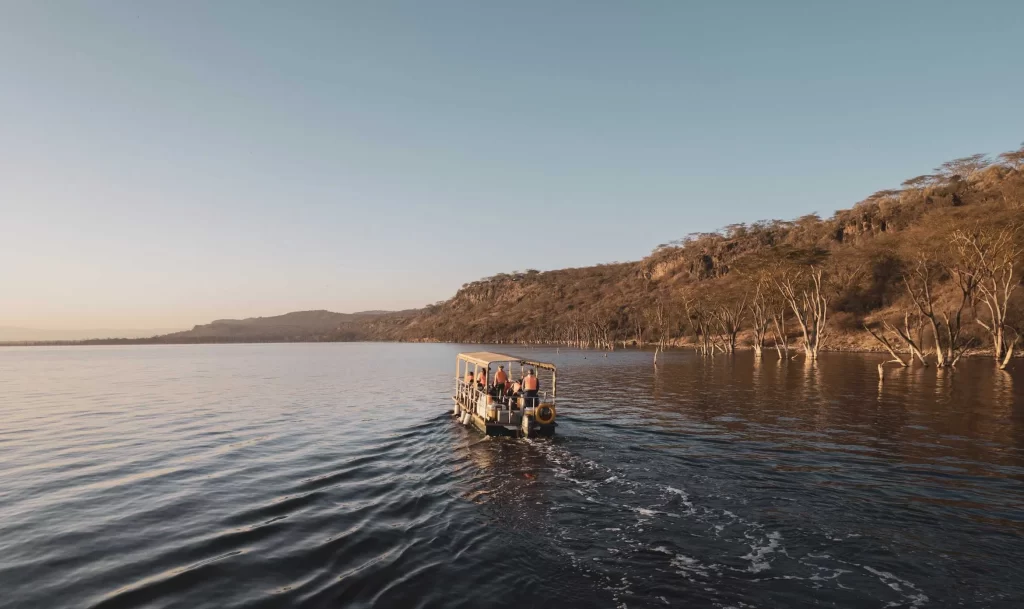
For travelers seeking the freedom and flexibility to explore Nairobi and Masai Mara at their own pace, private vehicle rentals are an excellent option. Companies that offer a variety of safari vehicles with professional safari guides to suit your needs include:
- Masai-mara.in
- AjKenyaSafaris.com
- Masaimarasafari.in
- Kenyaluxurysafari.co.uk
- Masaimara.co.ke
Before setting off, it’s worthwhile getting to know the local roads and driving conditions. Researching routes and understanding the unique challenges of driving in Kenya will ensure a safe and enjoyable trip as you navigate your way to the Masai Mara and its surrounding attractions.
On the Nairobi safari walk, guests can stroll through the forest to see wildlife in their enclosures. They can also get on the raised wooden boardwalk for elevated views of the forest. A taste of what to expect when you’re out in the wild.
Group Tours and Shuttles
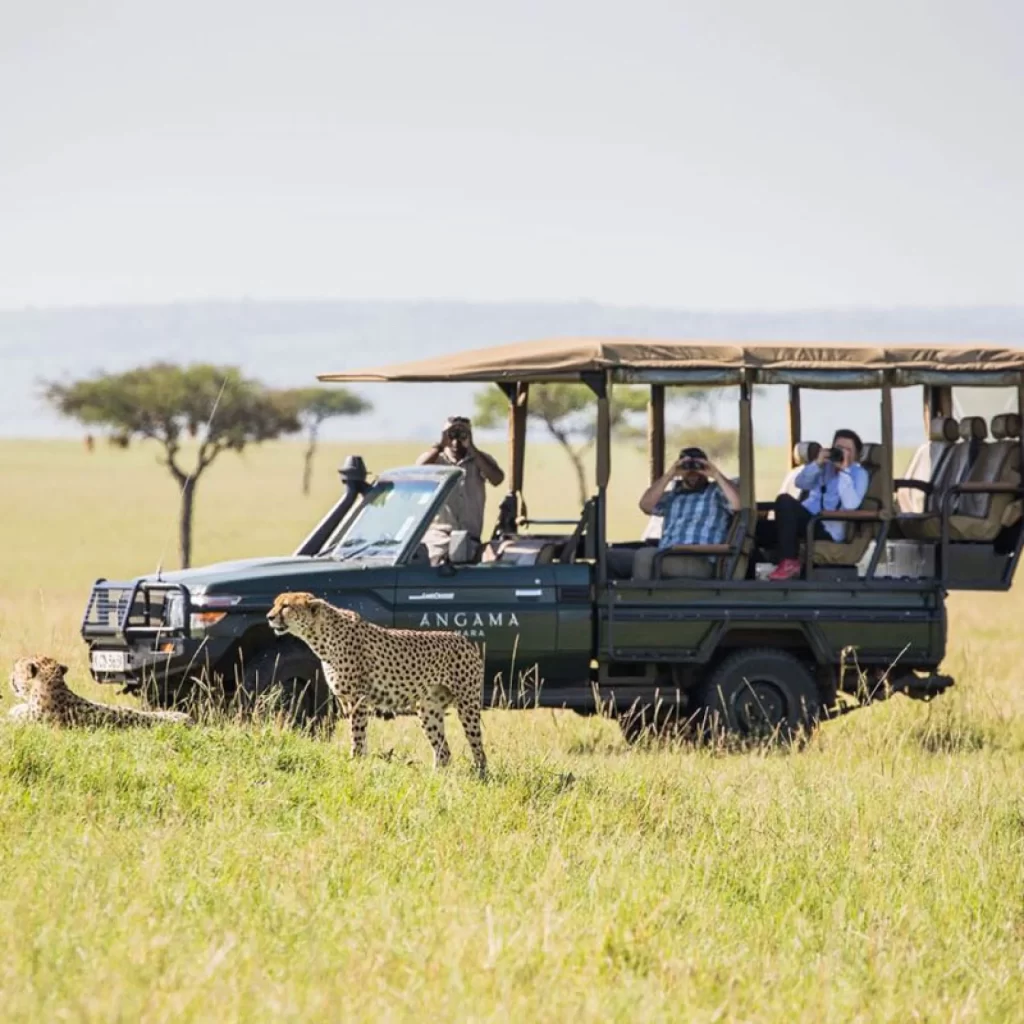
Group tours and shuttles offer an affordable and social alternative for traveling from Nairobi to Masai Mara. Led by experienced guides and drivers, these organized safari tours are perfect for those looking to share their adventure with like-minded travelers. Not only do group tours offer a more budget-friendly option, but they also provide the added benefit of local knowledge and expertise.
Some of the best Masai Mara tours from Nairobi to Masai Mara include the 3-day Maasai Mara Small Group Safari in a 4×4 Land Cruiser Jeep and the 2-night Safari Tour Maasai Mara. With a variety of options available from us, you’re sure to find the perfect tour to suit your preferences and budget.
Get ready to make new friends and unforgettable memories as you embark on your Kenyan safari.
Exploring the Masai Mara National Reserve
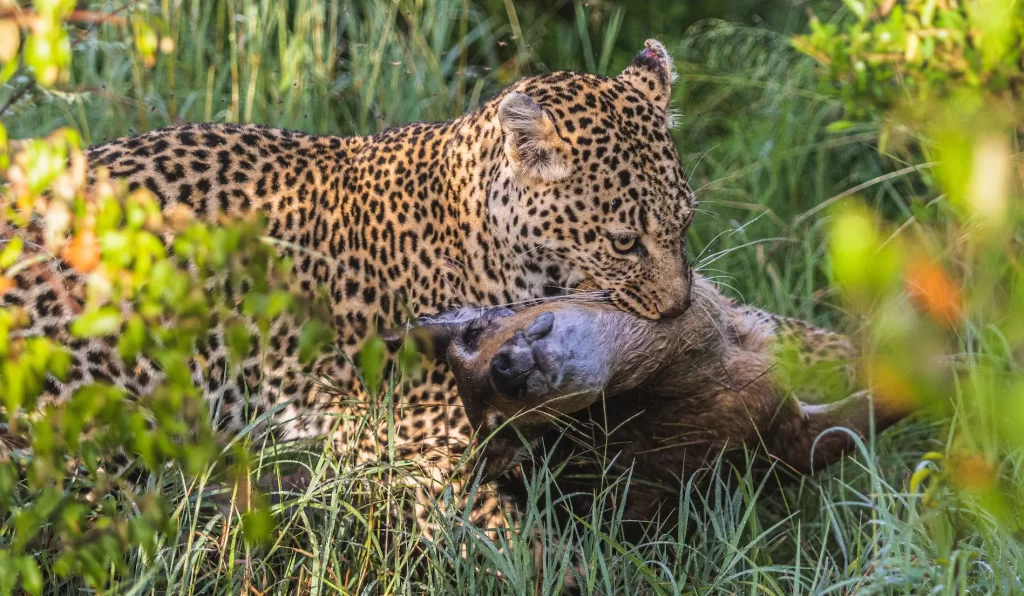
The Masai Mara National Reserve, Mara North Conservancy, and Lake Nakuru National Park are havens for wildlife lovers, with a plethora of unique experiences waiting to be discovered. From awe-inspiring wildlife encounters and witnessing the Great Migration to capturing stunning photographs of the reserve’s landscapes and fauna, the Masai Mara offers a treasure trove of unforgettable memories for visitors to uncover.
Regardless if you’re a safari novice or a seasoned enthusiast
Wildlife Encounters
The Masai Mara National Reserve is home to an astonishing array of wildlife, including the famous Big Five:
- lion
- elephant
- rhino
- leopard
- buffalo
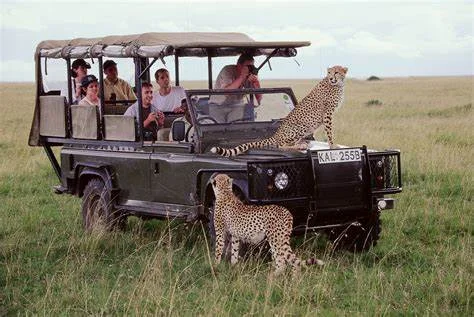
Other common sightings include cheetahs and a wide range of herbivores such as wildebeest, zebra, and gazelle. With such an incredible concentration of wildlife, you’ll be immersed in unforgettable encounters around every corner.
In addition to the Big Five, the reserve also harbors endangered species like the black rhino, which can be found hiding in dense thickets. Masai Mara is also a birdwatcher’s paradise, boasting over 450 bird species. With such a diverse array of wildlife, the Masai Mara National Reserve is truly a must-visit destination for any nature enthusiast.
The Great Migration
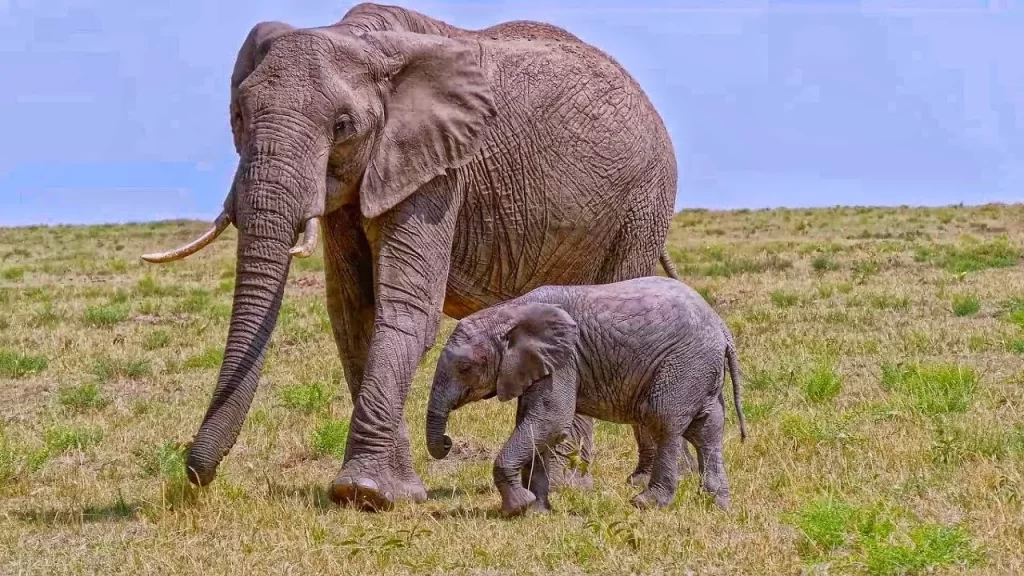
One of the most awe-inspiring spectacles in the natural world, the Great Migration is a sight not to be missed in the Masai Mara National Reserve. Occurring between mid-June and October, this phenomenal event sees millions of wildebeest, zebras, and other antelopes crossing the Mara River in search of fresh grazing lands.
As they traverse the river, these herds face the perils of treacherous currents and lurking crocodiles, making for an intense and unforgettable spectacle. The best time to witness the Great Migration is during the dry season from July to October. However, even outside of these months, the Masai Mara offers abundant wildlife encounters and breathtaking landscapes to enjoy.
No matter when you visit, your time in the reserve is sure to be an unforgettable experience.
Photography Tips and Tricks
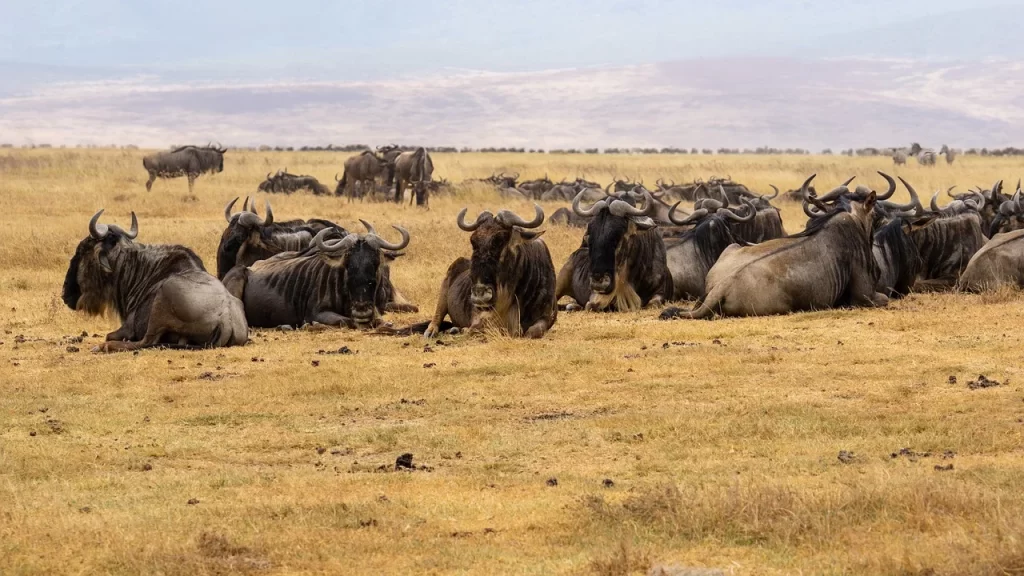
Capturing the stunning landscapes and diverse wildlife of the Masai Mara National Reserve is a photographer’s dream. With a few simple tips and tricks, you can ensure that your photographs do justice to the beauty of this incredible destination.
Firstly, get to know your camera equipment and settings well, so that you can take the perfect shot effortlessly. Additionally, take the time to understand the behavior of the wildlife you’ll be photographing. This knowledge will enable you to anticipate their movements, resulting in more dynamic and engaging images.
Lastly, be respectful of the animals and their environment, adhering to park rules and regulations to ensure a safe and enjoyable experience for both you and the wildlife.
Accommodation Choices in Masai Mara
Masai Mara offers a wide range of accommodation options to suit every budget and preference. From luxury lodges boasting exclusive experiences and top-notch amenities to mid-range options providing comfortable accommodations and guided safari activities, there’s something for everyone.
If you’re traveling on a budget, fear not, as there are plenty of budget-friendly stays available, ensuring an unforgettable trip without breaking the bank.
Luxury Lodges
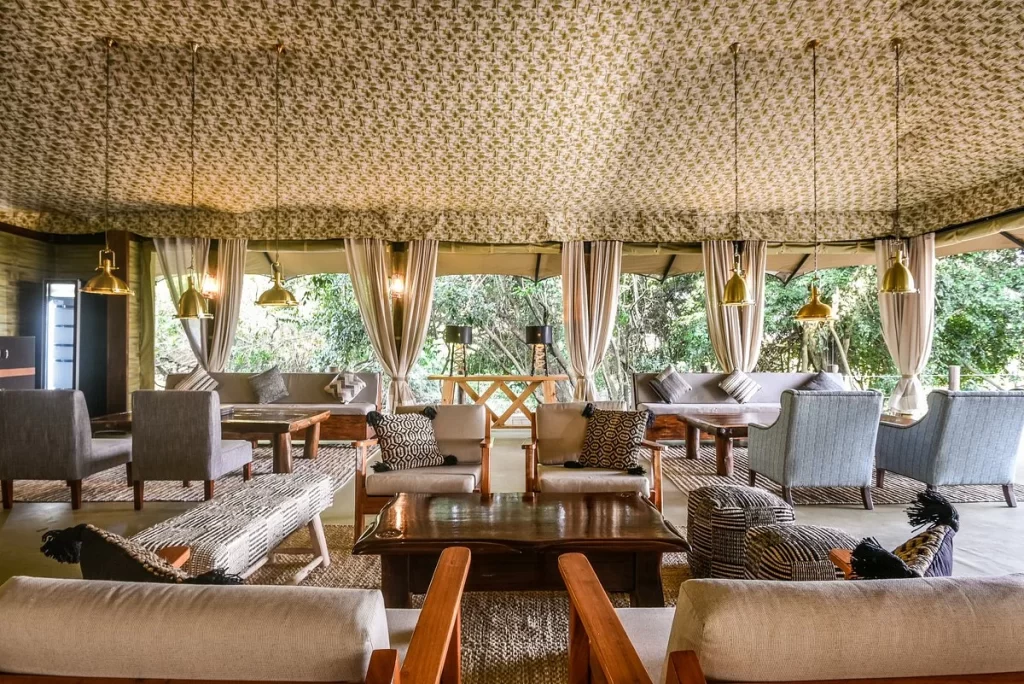
Luxury lodges in the Masai Mara National Reserve are the epitome of comfort and indulgence. Offering exclusive experiences, top-notch amenities, and prime wildlife viewing locations, these upscale accommodations are perfect for those seeking a truly unforgettable safari. Some of the best luxury lodges in the reserve include:
- Kichwa Tembo Tented Camp
- Mara Intrepids Tented Camp
- Olare Mara Kempinski Masai Mara
- Sentinel Mara Camp
- Mara Engai Wilderness Lodge
- Angama Mara
While luxury lodges come with a higher price tag, the exceptional service, stunning surroundings, and unparalleled access to the best of the reserve make them well worth the investment. Be it celebrating a special occasion or simply treating yourself to the trip of a lifetime, luxury lodges in the Masai Mara promise an unforgettable experience.
Mid-Range Options
For travelers seeking a more budget-conscious yet comfortable safari experience, mid-range options in Masai Mara provide the perfect balance. These accommodations offer quality services, cozy lodgings, and access to guided safari activities, ensuring a memorable trip without the luxury lodge price tag.
Some of the best mid-range options in the reserve include Keekorok Lodge, Mara Intrepids Tented Camp, Fairmont Mara Safari Club, Sarova Mara Game Camp, Zebra Plains Mara Camp, Masai Mara Sopa Lodge, and Ashnil Mara Camp.
With a diverse range of mid-range accommodations available, you can tailor your Masai Mara experience to suit your preferences and budget. Enjoy the beauty of the reserve, engage in thrilling wildlife encounters, and immerse yourself in the unique culture of the Maasai people, all from the comfort of your chosen mid-range accommodation.
Budget-Friendly Stays
For those seeking a more affordable safari experience, budget-friendly stays in the Masai Mara National Reserve offer a fantastic alternative. With options including campsites and lodges located outside the national park, you can enjoy the excitement and beauty of the Masai Mara without stretching your budget.
Some excellent budget-friendly options include:
- Greenwood Safari Camp
- Talek Bush Camp
- Fisi Camp Masai Mara
- Jambo Mara Safari Lodge
Despite their lower price tag, budget-friendly stays still offer ample opportunities for wildlife encounters and exploration of the reserve. By choosing a budget-friendly accommodation, you can experience the wonders of the Masai Mara without sacrificing quality, creating lasting memories of your Kenyan adventure.
Unique Safari Experiences in Masai Mara
Your Masai Mara safari is bound to be filled with unique experiences that will leave you with unforgettable memories. From cultural visits to Maasai villages and hot air balloon rides to guided walking safaris, there are plenty of ways to immerse yourself in the beauty and excitement of this incredible destination.
You can explore the vast savannahs of Serengeti National Park and witness the incredible wildlife that inhabits the area.
Cultural Visits to Maasai Villages
A cultural visit to a Maasai village is an incredible opportunity to gain insight into the lives and traditions of one of Africa’s most well-known indigenous tribes. During your visit, you’ll have the chance to:
- Witness traditional dances
- Learn about the customs and beliefs of the Maasai people
- Participate in activities such as milking cows and making traditional jewelry
By engaging in cultural visits to Maasai villages, you’re not only enriching your own understanding of this unique culture but also supporting the local community through tourism. These experiences provide a memorable encounter with the Maasai people and offer a deeper appreciation of their way of life.
Hot Air Balloon Rides
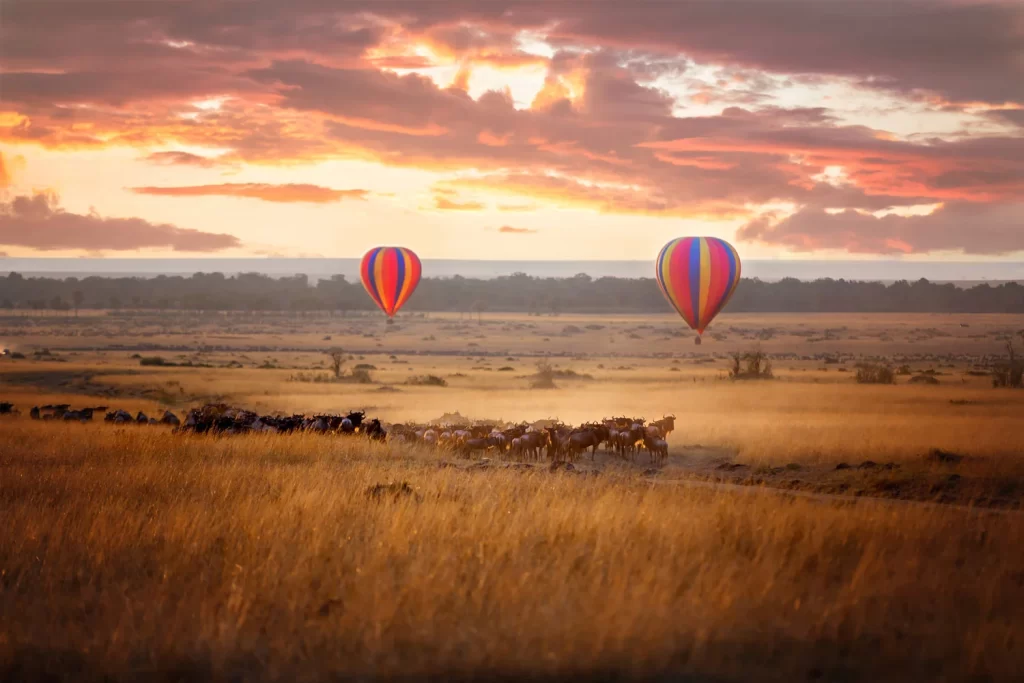
Imagine drifting high above the breathtaking landscapes of the Masai Mara, witnessing the vast plains and abundant wildlife from a bird’s-eye view. Hot air balloon rides offer this unparalleled experience, creating unforgettable memories for those who embark on this once-in-a-lifetime adventure.
Lasting approximately one hour, these awe-inspiring rides provide stunning views of the wildlife and landscape below, making for an unforgettable addition to your safari experience. Safety is paramount during hot air balloon rides, with experienced pilots adhering to strict safety protocols and passengers wearing safety harnesses and helmets.
The balloons are regularly inspected to ensure a safe and enjoyable flight, allowing you to focus on the incredible views and create lasting memories of your time in the Masai Mara.
Guided Walking Safaris
For those seeking a more immersive and intimate experience of the Masai Mara, guided walking safaris offer the perfect opportunity to explore the reserve on foot. Led by experienced guides, these safaris provide invaluable insights into the local flora and fauna, allowing you to get up close and personal with the incredible wildlife that calls the Masai Mara home.
Safety is of utmost importance during guided walking safaris, so be sure to wear appropriate clothing and footwear, bring plenty of water, and follow your guide’s instructions at all times.
By venturing out on foot, you’ll gain a unique perspective of the Masai Mara, creating a truly unforgettable experience.
Planning Your Nairobi to Masai Mara Safari
Planning your Nairobi to Masai Mara safari is an exciting process, with various factors to consider, such as the best time to visit, budgeting for your trip, and booking the perfect tours and activities.
Taking the time to meticulously plan your adventure can guarantee a memorable and well-organized trip that will leave you with cherished memories to last a lifetime.
Best Time to Visit
The best time to visit the Masai Mara depends on your personal preferences and interests. The wildebeest migration, which takes place between mid-June and October, is an absolute must-see event, offering an unforgettable spectacle of nature.
Alternatively, the high season from November to February provides warm, dry weather and excellent wildlife viewing opportunities. For those seeking a more budget-friendly experience, the low season from March to May offers lower prices and fewer crowds without sacrificing the abundance of wildlife encounters.
Regardless of when you decide to visit, your experience in the Masai Mara is bound to be exceptional and unforgettable. In fact, many travelers consider a visit to Masai Mara to be the highlight of their African adventure.
Budgeting for Your Safari
Budgeting for your Masai Mara safari involves considering three main costs:
- Accommodation: From budget-friendly campsites and lodges to luxury lodges with exclusive experiences, there are options to suit every budget.
- Transportation: Depending on your preferences and budget, you can choose between self-driving, hiring a driver/guide, or joining a group tour.
- Activities: The Masai Mara offers a range of activities, such as game drives, hot air balloon safaris, and guided nature walks. Consider the costs of these activities when planning your budget.
By doing your homework and comparing different tour operators and accommodations, you can strike the ideal balance between cost and experience, guaranteeing a memorable trip that’s also wallet-friendly.
Local tour operators can often provide better rates for accommodation, so be sure to explore this option when planning your trip.
Additionally, consider the costs of park fees, transportation, and other activities when budgeting for your adventure in the Masai Mara.
Booking Tours and Activities
Booking tours and activities for your Masai Mara safari can be done through reputable online platforms like SafariBookings or by contacting local tour operators directly. By researching and comparing various options, you can ensure a memorable and well-organized trip tailored to your preferences and budget.
Whether you’re interested in a luxury lodge experience, a mid-range safari, or a budget-friendly adventure, there are countless options available to suit your needs. Booking your tours and activities ahead of time helps secure your place on your dream safari and sets the stage for an unforgettable journey through the incredible Masai Mara National Reserve.
Key Takeaways and Summary
- Experience the ultimate safari adventure from Nairobi to Masai Mara!
- Get up close and personal with incredible wildlife, witness the Great Migration, take hot air balloon rides & explore Maasai villages.
- Plan a budget-friendly journey tailored to your preferences with online platforms or local tour operators, an unforgettable experience awaits!
From the bustling city of Nairobi to the spectacular landscapes and abundant wildlife of the Masai Mara National Reserve, your Kenyan safari adventure awaits. With various transportation options, unique experiences, and accommodations to suit every budget, exploring the Masai Mara has never been more accessible.
Whether you’re witnessing the awe-inspiring Great Migration, capturing stunning photographs of the reserve’s incredible wildlife, or immersing yourself in the rich culture of the Maasai people, your Masai Mara experience will be one you’ll never forget.
Frequently Asked Questions
There are many questions that come to mind when planning a trip from Nairobi to Masai Mara. Here are some frequently asked questions that can help you in your journey:
1. How do you get from Nairobi to Masai Mara?
Experience the beauty of Masai Mara National Reserve by taking a road trip along the A104 Highway out of Nairobi city or from Jomo Kenyatta International Airport, or take a 45-60 minute flight from Nairobi Wilson Airport (WIL). Whichever route you choose, you can get to the Mara in no time.
2. Is it safe to drive from Nairobi to Masai Mara?
Given the many flights available daily on the route from Nairobi to the Masai Mara, the 45-minute flight is the safest way to travel – a much better option than the 6-hour road trip that can expose you to various dangers.
3. How long is it from Nairobi to Masai Mara?
Heading to the great Masai Mara from Nairobi? You’ll be there in 6 hours – perfect for an adventurous road trip! Pack your bags and get ready for an unforgettable journey. The Masai Mara is one of the most beautiful places in Kenya, and you’ll be able to
4. When is the best time to visit Masai Mara?
The best time to visit Masai Mara is during the wildebeest migration from mid-June to October and the high season from November to February. This offers excellent wildlife viewing opportunities and great weather conditions for an unforgettable experience.
5. What kinds of accommodations are available in Masai Mara?
Experience the beauty of Masai Mara with a range of accommodations – from luxury lodges to budget-friendly stays – ensuring you get the perfect trip tailored to your needs!
