Great Migration Masai Mara 2026: The Ultimate Guide for Your Kenya Safari

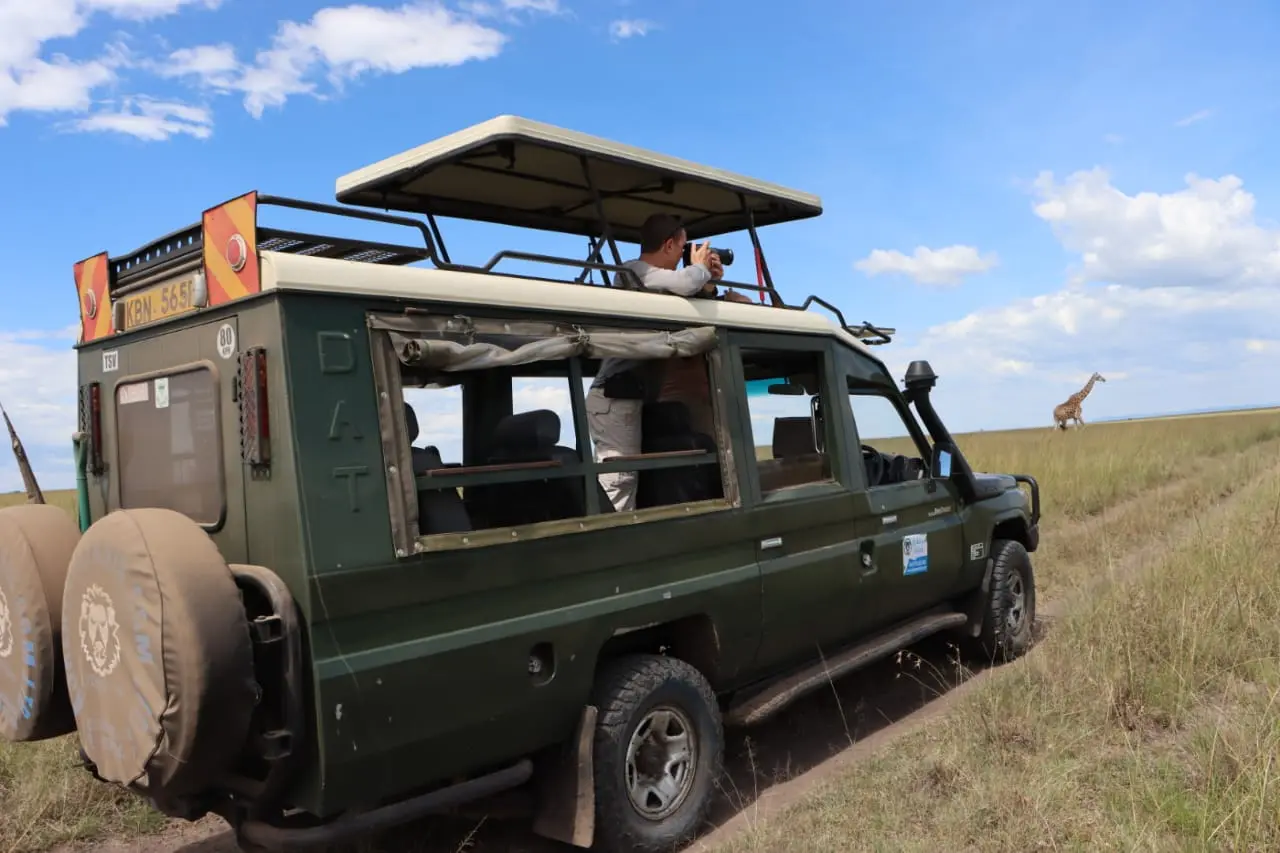
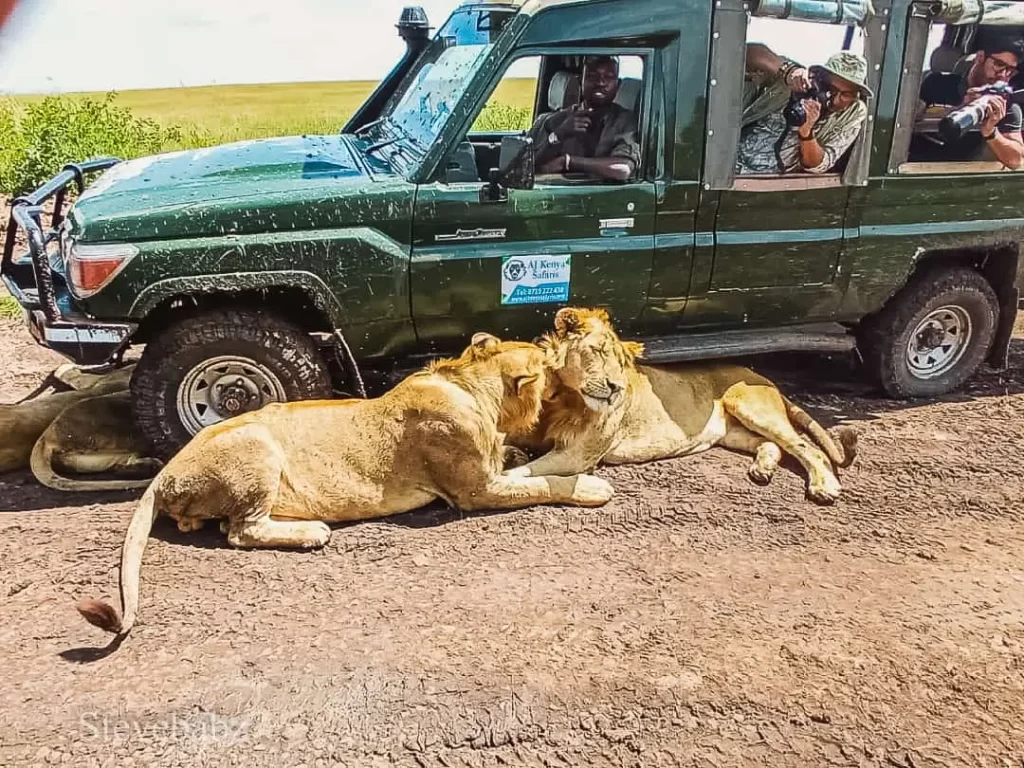
Kenya Safari Land Cruiser in Masai Mara during Great Migration in Masai Mara
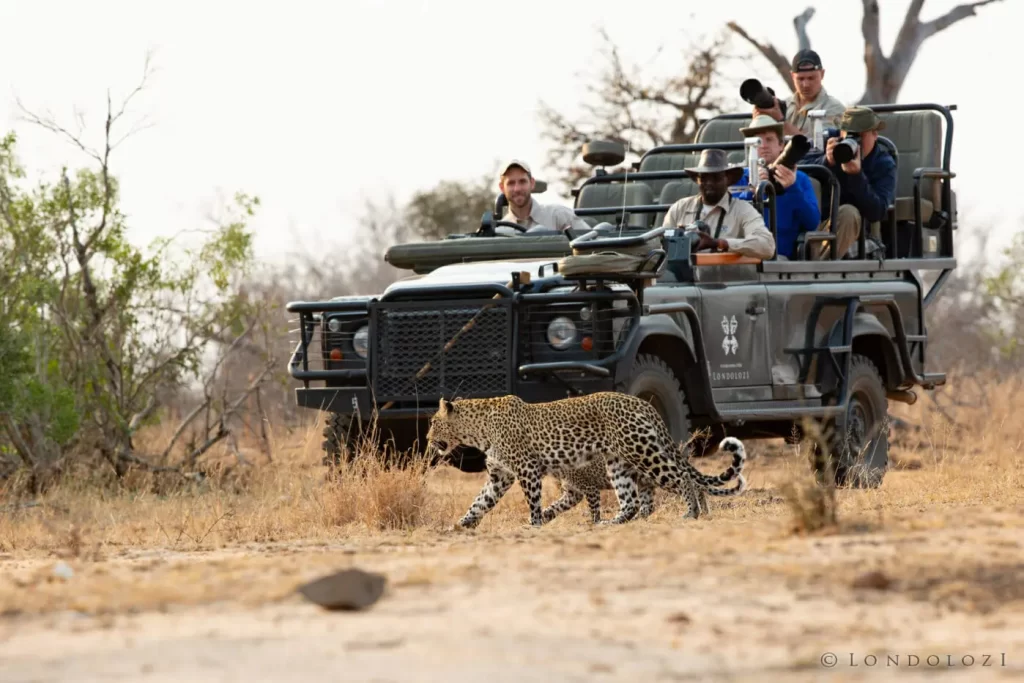
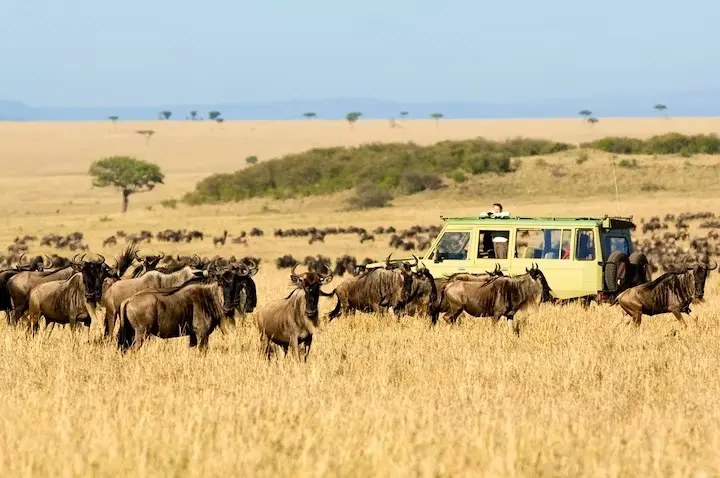
Our 4x4 safari land cruiser in Masai Mara.

Get Your Front-Row Seat to the Wildest Show on Earth! The Great Migration Masai Mara is not just an event; it is the raw, untamed heartbeat of Africa. Every year, this incredible wildlife spectacle unfolds across the vast plains of the Serengeti-Mara ecosystem. If you’re a wildlife enthusiast planning a once-in-a-lifetime Kenya safari, this guide is for you.

I’m Harrison K. Irura, and with over a decade of experience as a travel consultant, I’ll give you the expert advice to get your front-row seat to the Masai Mara Great Migration in 2026.

Why the Masai Mara Safari is Perfect for the Indian Traveller

If you’re used to the dense forests of Indian wildlife reserves, the open savannah of the Masai Mara is a wildlife paradise. Here, spotting the Big Five is much easier.

The sheer numbers of the wildebeest migration in the Mara make for easy and non-stop game viewing, turning your safari into an unforgettable, high-adrenaline experience that you can’t replicate anywhere else.

Book your Kenya Safari now! Contact us via WhatsApp or phone at +254 704 532 105. We are also available through email at james@ajkenyasafaris.com or safarioffers@ajkenyasafaris.com. One of our colleagues, Gladys Mwangi, James Maina or even I will get back to you within 2 hours to start planning your migration safari.

Explore our Most Booked, 2026/27 Wildebeest Migration Safari

Great Migration Masai Mara - Unique Insights

Wildebeest Migration safari - Masai Mara National Reserve
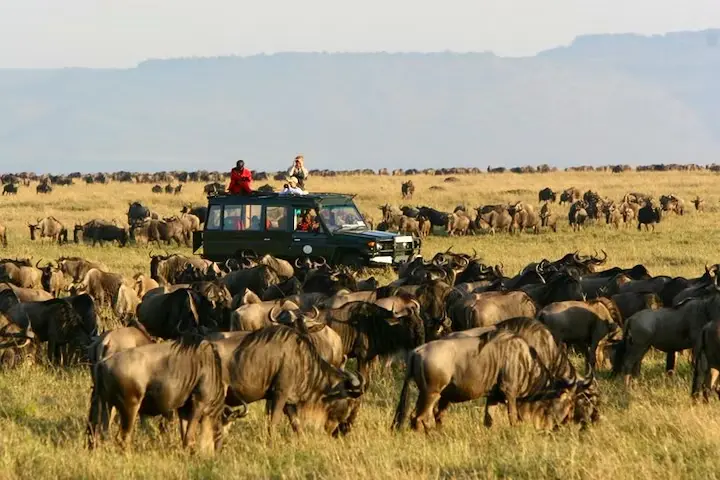
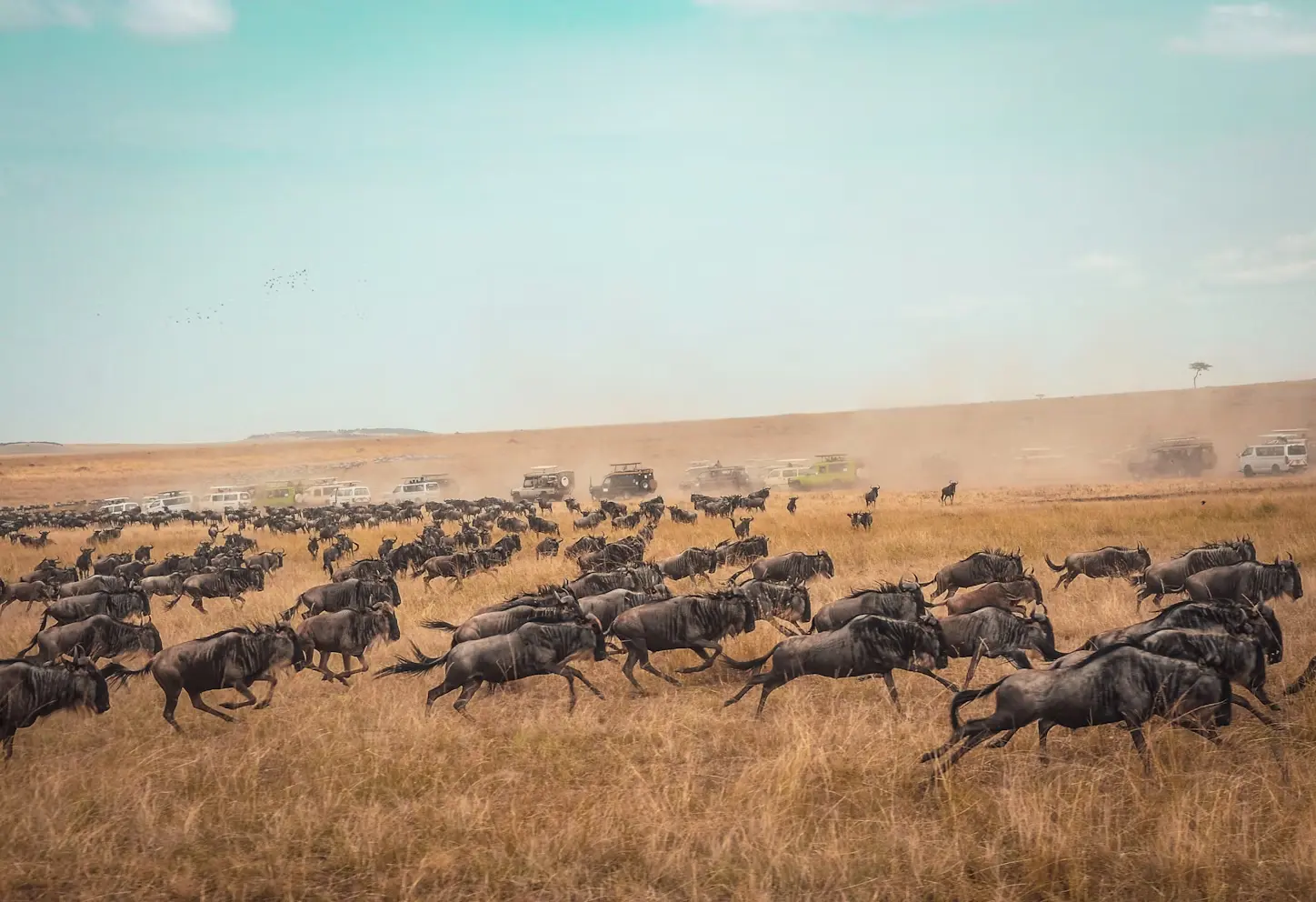
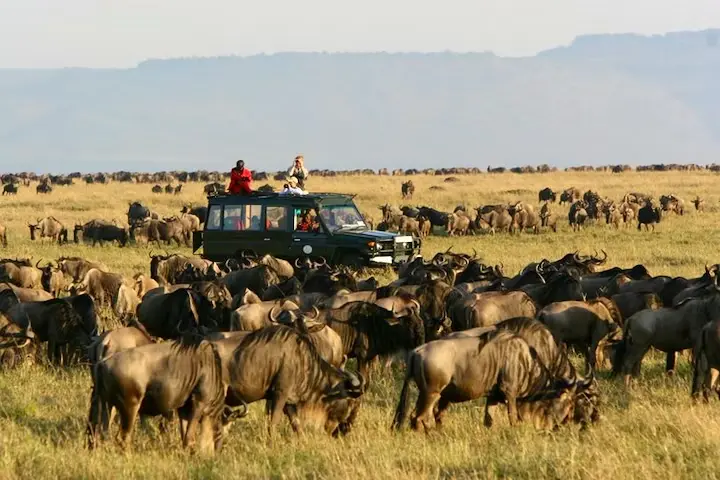
Our guests viewing wildebeests onboard our safari vehicle

You might know about the wildebeest migration and how they close the river Mara, but there are a few things to know about this event. For instance, the wildebeests use a “swarm intelligence” when crossing the river. Most people think they cross in a panicking, chaotic way, but this is not correct.

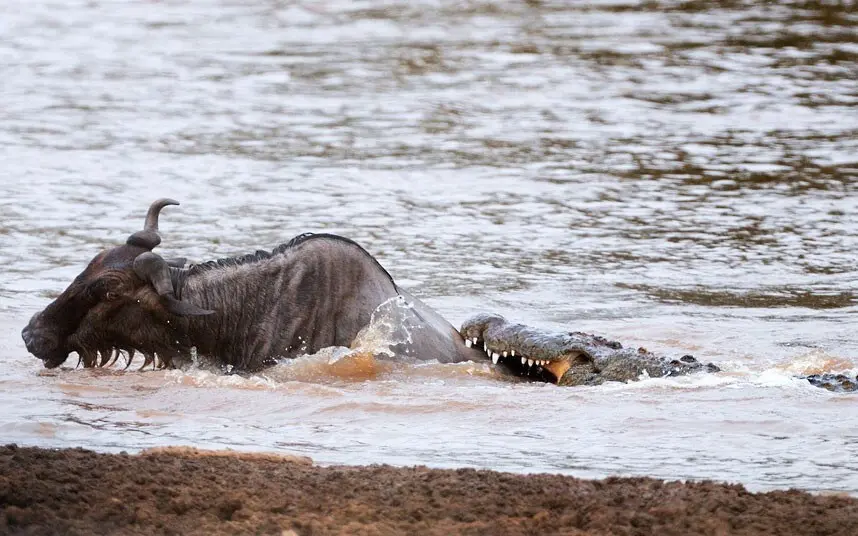
Drawing kills more wildebeest than the crocodile, at least that was the case a few years ago. I went for the 2025 migration, and the river was a bit low compared to other times, making it easier for the wildebeest to cross without any issue. They used to drown and get crushed in stampedes a few years ago.

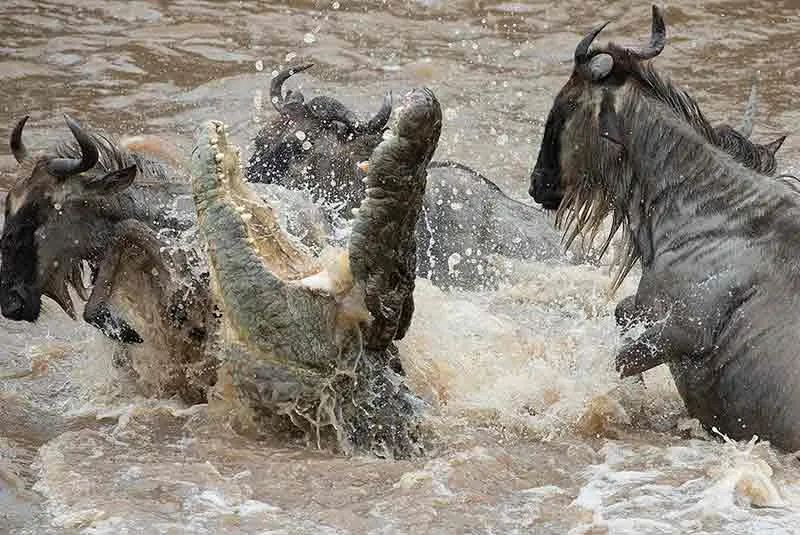
The Nile crocodiles fast for a year before getting their next meal. They only feed during the wildebeest migration, when the animals cross from the Serengeti to the Masai Mara.

Great migration Masai Mara safari
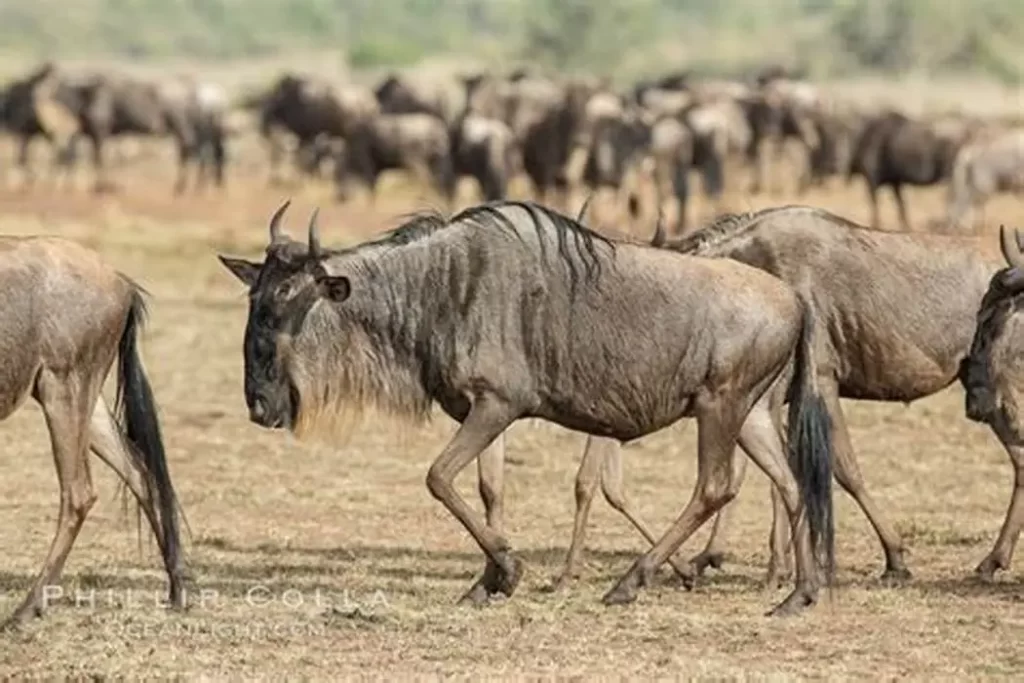
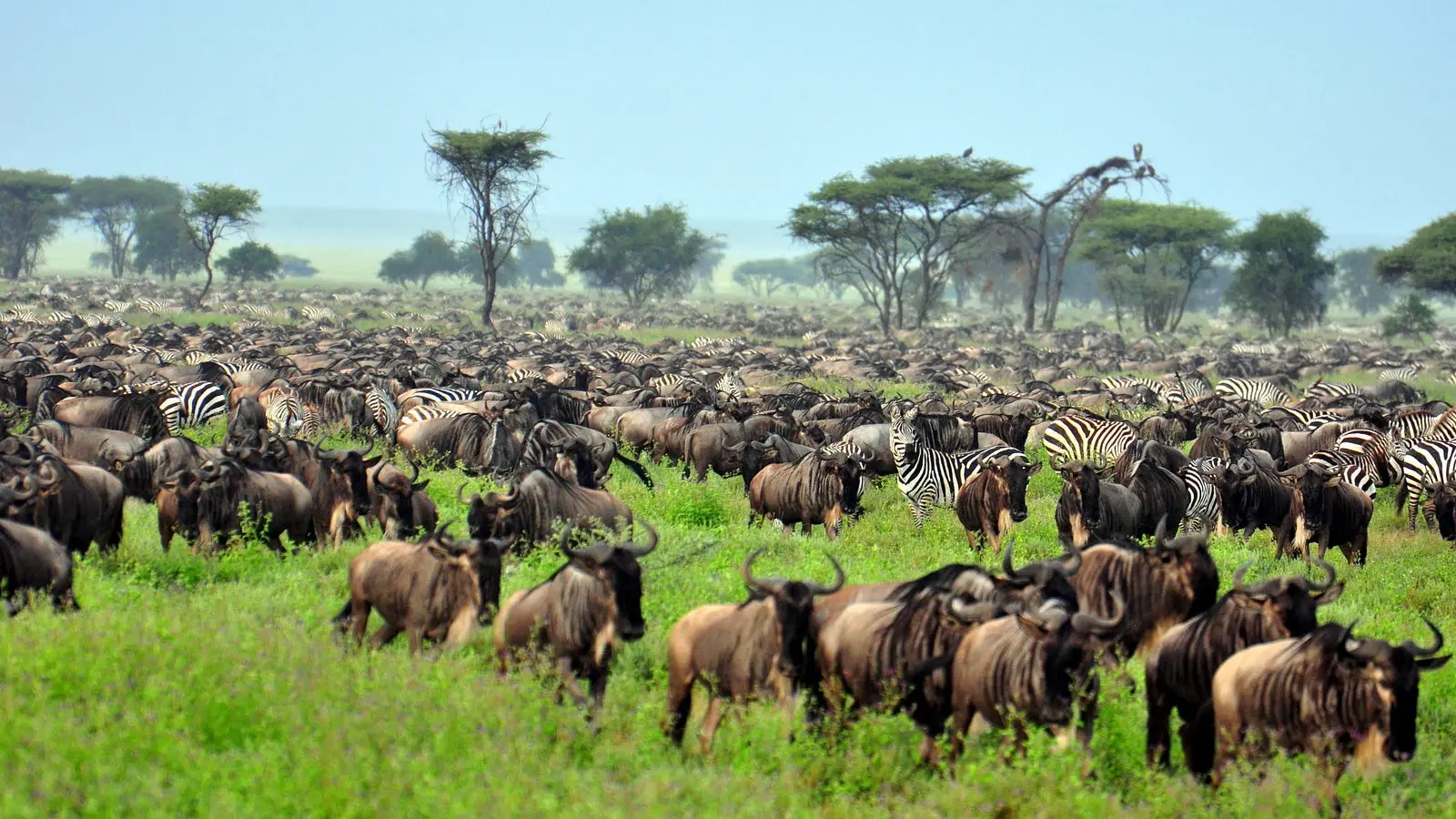
Staggering numbers of wildebeests grazing in the Mara plains

The Phenomenon: What is the Great Migration?

In simple terms, the Great Migration is the most significant animal movement on Earth. It’s a constant, year-round, circular journey of over 1.5 million wildebeest, hundreds of thousands of zebras and gazelles, all driven by the search for fresh water and new grazing grounds. 

The herds follow the rains in an ancient clockwise cycle from Tanzania’s Serengeti into Kenya’s famous Masai Mara National Reserve. It’s a natural drama—the original survival of the fittest—and it’s enormous.

Great migration Masai Mara safari
Spectacular herds of wildebeests and giraffes in Masai Mara

Timing & The Mara River Crossing

Timing is everything in a safari, and nowhere is this truer than with the Great Migration. While the herds are constantly on the move, their presence in the Mara is seasonal and weather-dependent.

When to See the Migration in the Masai Mara 

The best time to plan your visit to the Masai Mara to see the big herds is during Kenya’s dry season.

Peak Migration Time: July to October 2026

  • July 2026: The first big herds arrive from the Serengeti. The anticipation is high, and the first Mara River Crossings start. It’s a good month to catch the action before the crowds get too big.
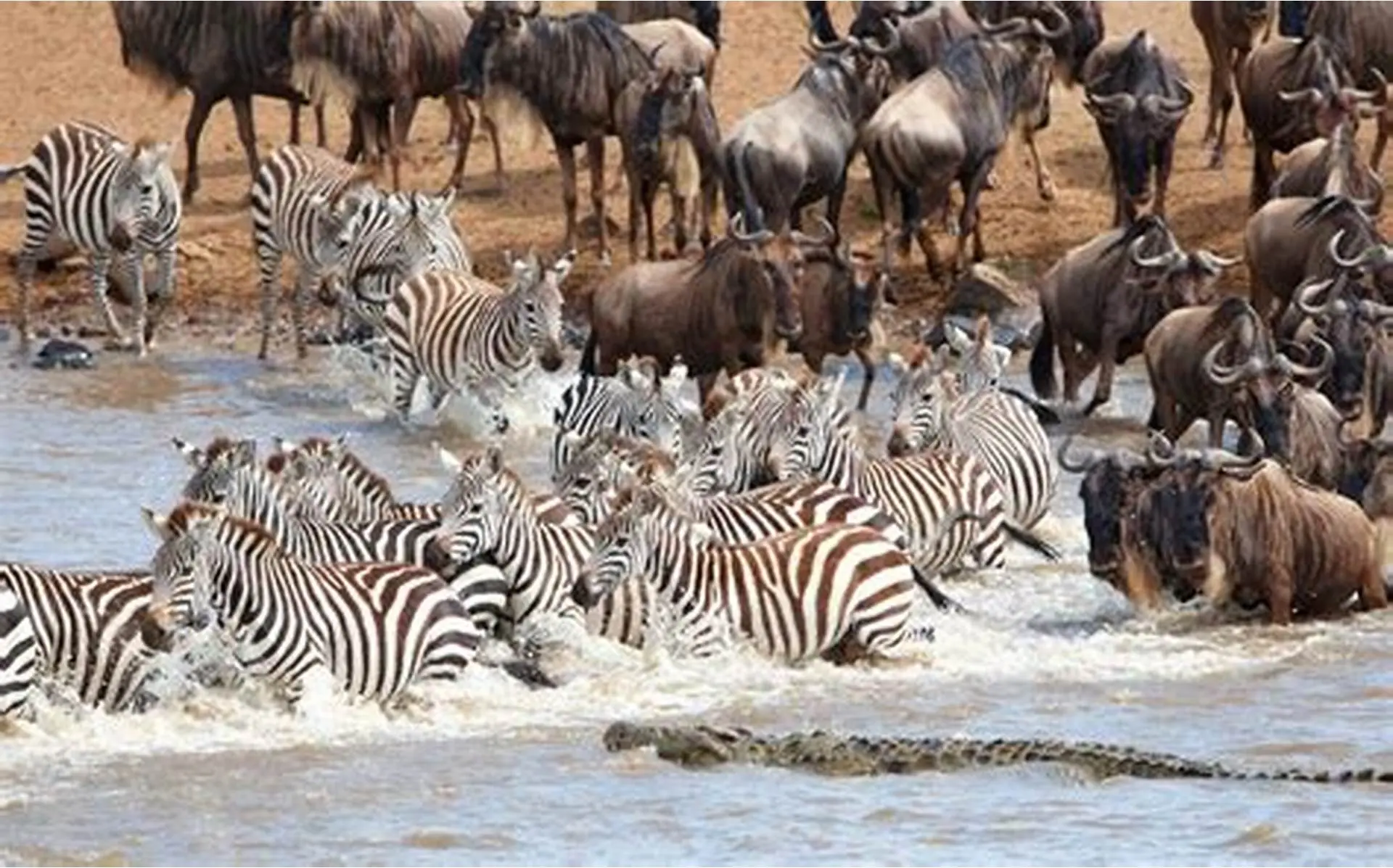
  • August & September 2026: This is the most popular time. The herds are spread throughout the reserve, and the Mara River Crossings are at their peak. You’ll see the chaos as the animals plunge into the crocodile-infested waters. This is when you should book if you really want to see a crossing.
  • October 2026: Although the chaos has subsided, the migration continues, and the herds begin their southern movement back to the Serengeti. Predator sightings are high as they feed on their primary prey before it departs.
The great migration in Masai Mara National Reserve, Kenya
Mesmerizing views of wildebeests arriving on short-grass plains of southern Serengeti

The Drama of the River Crossings

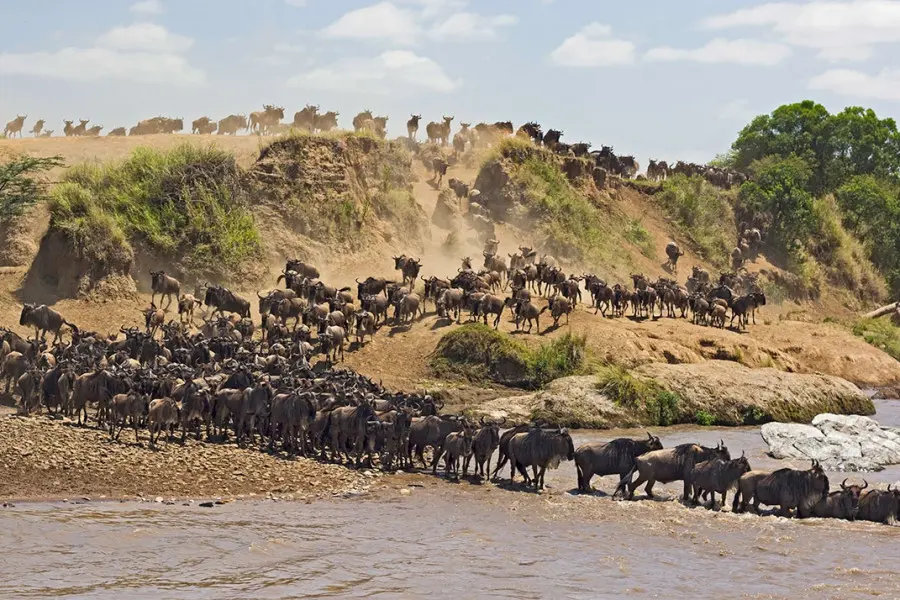
The Mara River crossing is the highlight of the trip. The herds gather at the riverbanks, waiting for hours before the first wildebeest makes the jump.

  • The Threat: The river is an obstacle course of fast-flowing water and massive Nile crocodiles that have been waiting all year for this moment. Lions and other predators lurk at the riverbanks, waiting to pounce on the exhausted ones on the other side.
  • Maximise Your Chances: River crossings are unpredictable. My advice is to spend at least three to four full days in the Masai Mara during the peak season and stay at a camp near the river (e.g., in the Mara Triangle or Northern Conservancies) to minimise travel time and maximise your viewing opportunities.
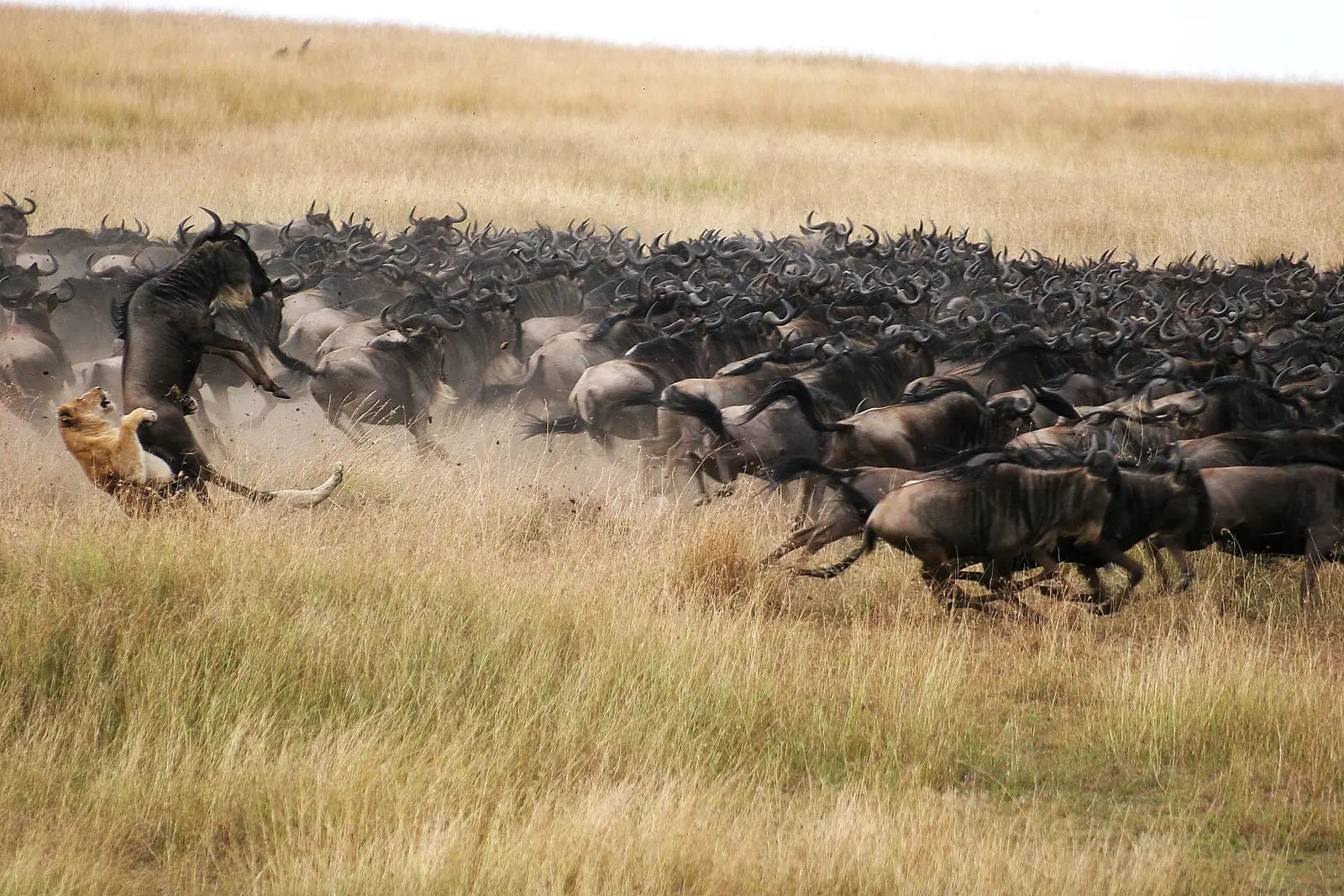
The great migration is a matter of life and death
Lioness trying to bring down wildebeest during migration

Planning Your Safari from India

As an Indian traveller, you have specific requirements regarding cost, food and logistics. Let’s cover the essentials for your 2026 trip.

Total Cost and Budgeting

The cost of a Masai Mara safari depends a lot on your choice of accommodation and the duration of your stay. Remember, the migration season is peak tourism time, so prices are higher. The pricing varies greatly from mid-range to luxury private conservancy camps. You need to decide on your level of comfort and exclusivity early on in the planning process.

A note on budgeting: Always factor in extra for the hot air balloon safari, tips and souvenirs.

The great migration unfolding in Masai Mara
Wildebeests being attacked by crocodiles while attempting to cross the river

India Travel Logistics

The journey from India to Kenya is smooth if you have the proper papers.

Flights & Visa Requirements for Kenya

  • Flights: Direct flights are available from major hubs, such as Mumbai (BOM) and Delhi (DEL), to Jomo Kenyatta International Airport (NBO) in Nairobi. Book at least 6-9 months in advance for 2026 migration dates.
  • Kenya Visa for Indian Tourists: You must apply for an e-Visa (Electronic Travel Authorisation – ETA) online. It’s a simple process, but allow a week for approval.
  • Mandatory Health Certificates: A Yellow Fever Vaccination certificate is compulsory for all travellers coming from India to Kenya, as per the Government of India, upon your return.

Catering to Indian Tastes: Food and Comfort

We know that familiar food is key to a relaxing holiday. Most good Masai Mara lodges and camps catering to international tourists can handle special dietary needs. Always mention your requirements—Vegetarian, Vegan, or Jain meals—when booking, and the chef will ensure you have options from dal and roti to Indian snacks.

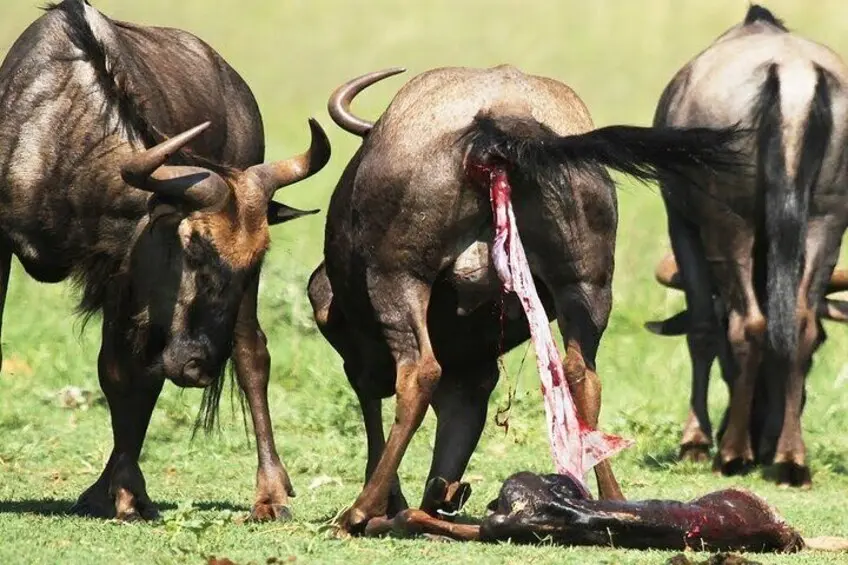
Great migration Masai Mara - the calving season
Wildebeest giving birth in Ngorongoro area of southern Serengeti

Book our 3-Day Masai Mara Migration Packages Now

Our Budget Masai Mara Migration Packages for 2026

  • Rhino Tourist Camp 3 Days Migration Tour at USD 1340 Per Person
  • Orngátuny Mara King Camp 3 Days Migration Deal at USD 1360 Per Person
  • Jambo Mara Safari Lodge 3 Days Migration Safari at USD 1420 Per Person 

Our High-End Budget Masai Mara Migration Safaris for 2026

Our Mid-Range Masai Mara Migration Offers for 2026

Our High-End Mid-Range Masai Mara Migration Tours for 2026

  • 3 Days Migration Offer at Basecamp Masai Mara at USD 1740 Per Person
  • 3 Days Migration Tour at Kandili Camp at USD 1990 Per Person
  • 3 Days Migration Package at Mara Maisha Camp at USD 2010 Per Person

Our Luxury Masai Mara Migration Safari Packages 2026

Great Masai Mara migration - river crossing
Crocodile biting wildebeest while crossing Mara River

The Year-Round Migration Cycle

The Great Wildebeest Migration is not limited to the Masai Mara; it’s a never-ending circle. To truly understand its complexity, you need to know the whole 1,200-mile loop.

  • January – March: The Calving Season: The cycle starts in the Southern Serengeti and Ndutu area (Tanzania). Hundreds of thousands of wildebeest calves are born, and the highest concentration of predators is found.
  • April – June: The Long Trek North: The herds move north through the Central and Western Serengeti; the first major obstacle is the crocodile-infested Grumeti River.
  • July – October: The Kenyan Phase: This is when they are in the Masai Mara, experiencing the Mara River Crossings before they head back.
  • November-December: The Return South: Driven by the short rains, the animals head back down through the eastern side of the Serengeti, completing the annual cycle.
Wildebeest migration tours
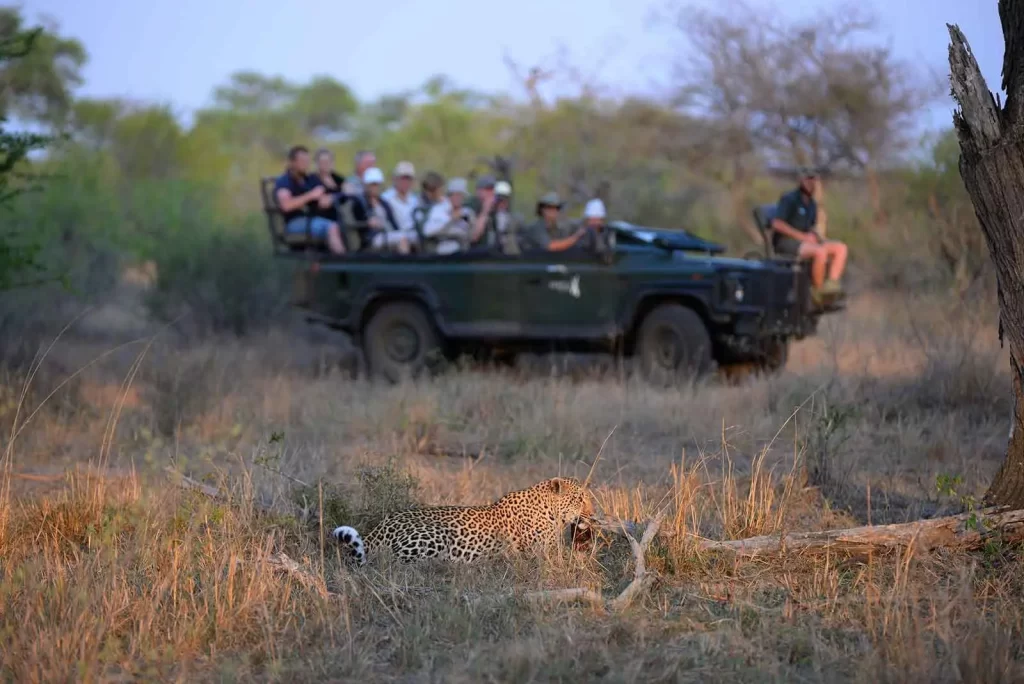
Tourists on great migration safari to Masai Mara, Kenya

Safari Tips & Safari Insights

Let us look at some of the tips and safari insights you should know when visiting the Masai Mara.

Masai Mara National Reserve vs. Private Conservancies

Where to stay is a big decision for exclusivity and overall experience.
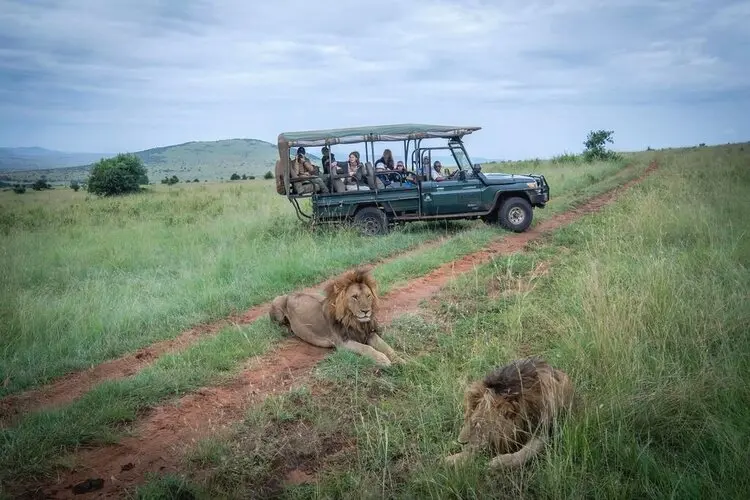
  • Masai Mara National Reserve: This is the public reserve where the river crossings happen. Expect more crowds during peak season as vehicle numbers at sightings are not limited.
  • Private Conservancies: These border the Reserve (e.g., Olare Motorogi). They offer a more exclusive and luxurious experience with limited vehicles on a sightseeing tour. Crucially, they allow activities not allowed in the Reserve, such as Night Game Drives and Walking Safaris. I highly recommend a combined stay for an intimate experience.
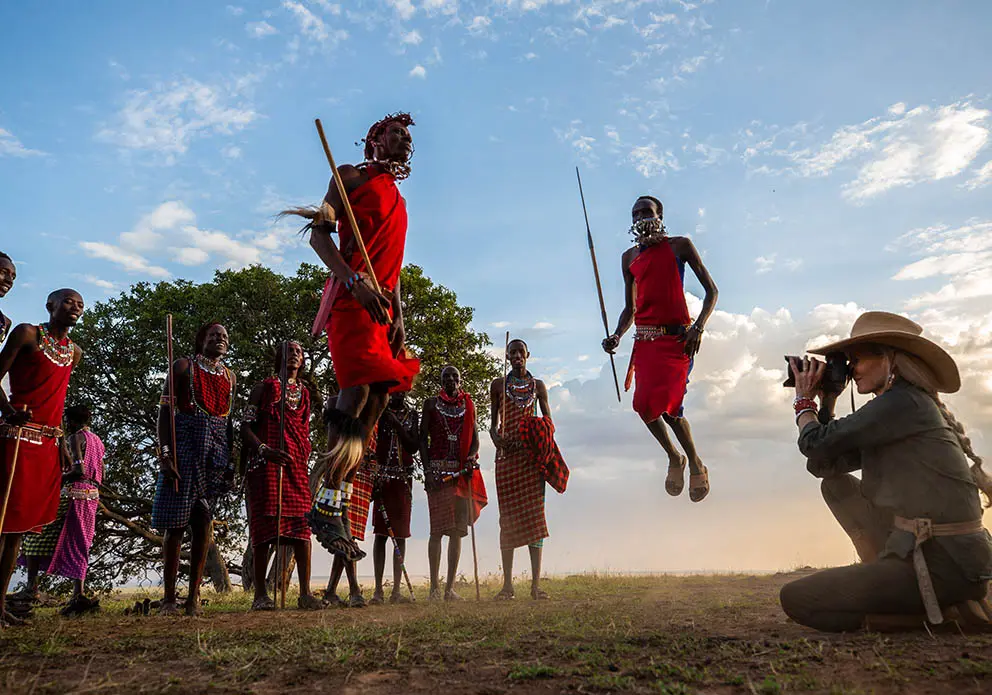
A visit to Kenya on wildebeest migration safari
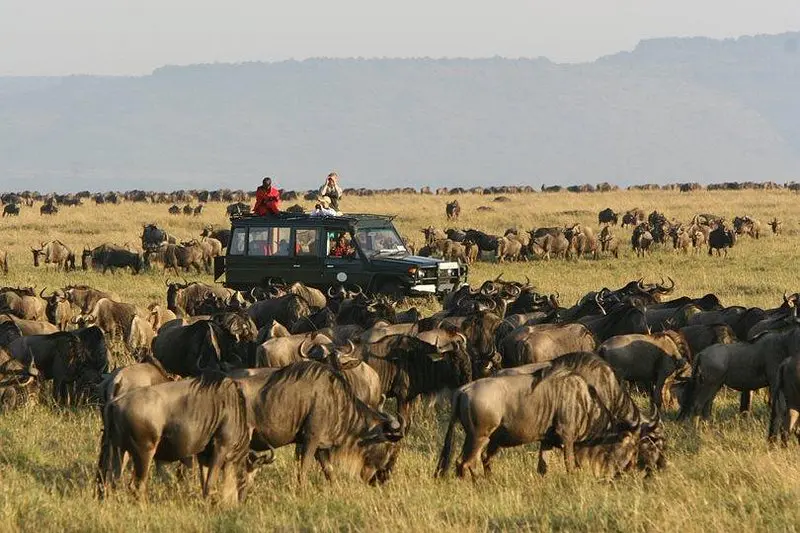
A safari vehicle amidst wildebeest in Masai Mara

Great Migration Safari

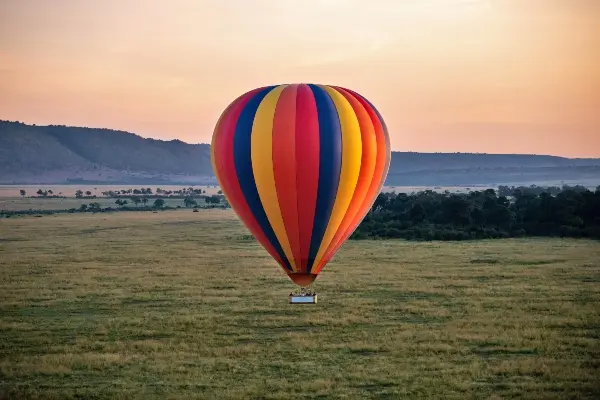
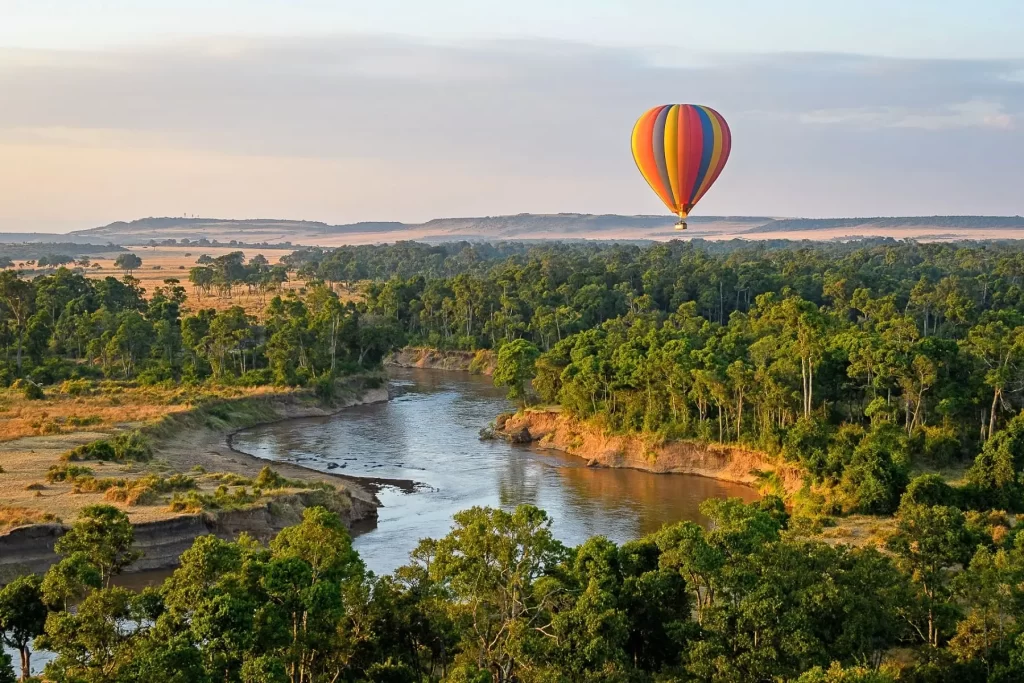
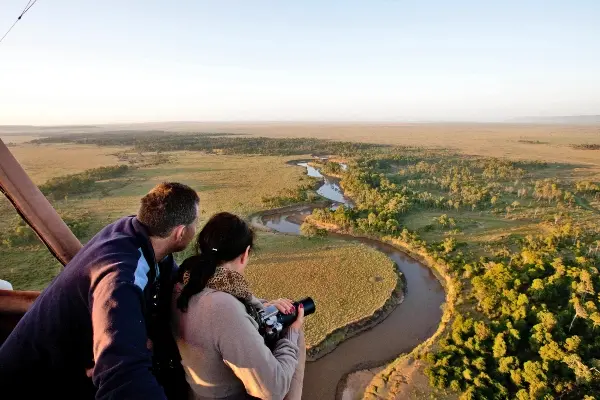
  • Hot Air Balloon Safari: Get up early for a serene, breathtaking view of the herds from above. It’s the ultimate photo opportunity and a truly unforgettable way to see the sheer scale of the migration.
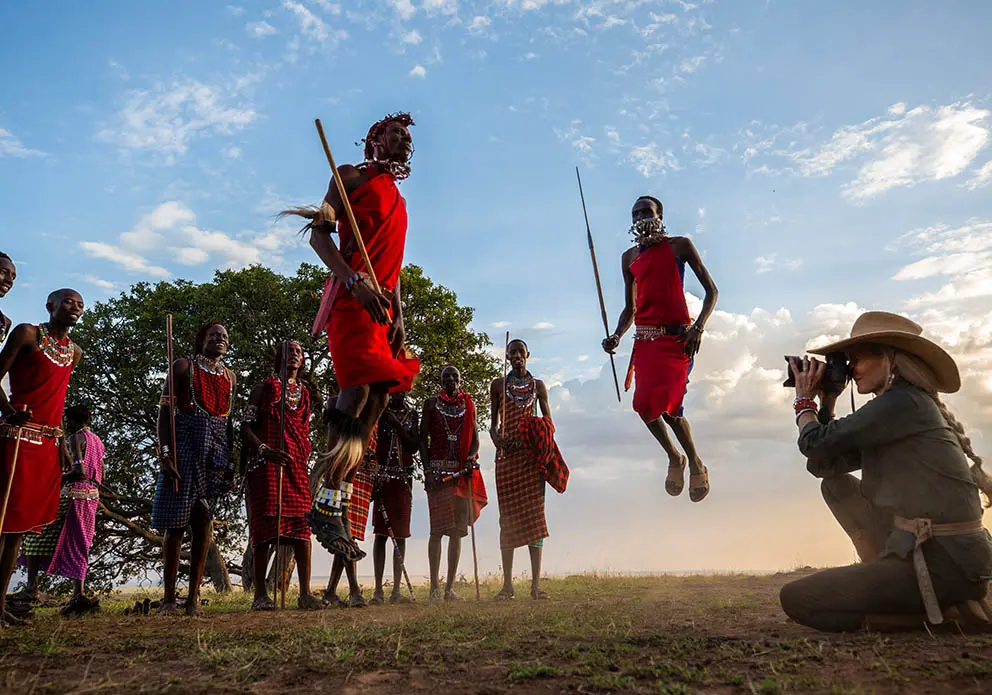
  • Meet the Maasai People: Join a respectful, authentic cultural village visit to learn about the semi-nomadic community that is the guardian of this land.
  • What to Pack: Pack light, neutral coloured safari clothes, a good camera with a zoom lens and a pair of good binoculars—they will make a massive difference in your Great Migration Masai Mara experience.
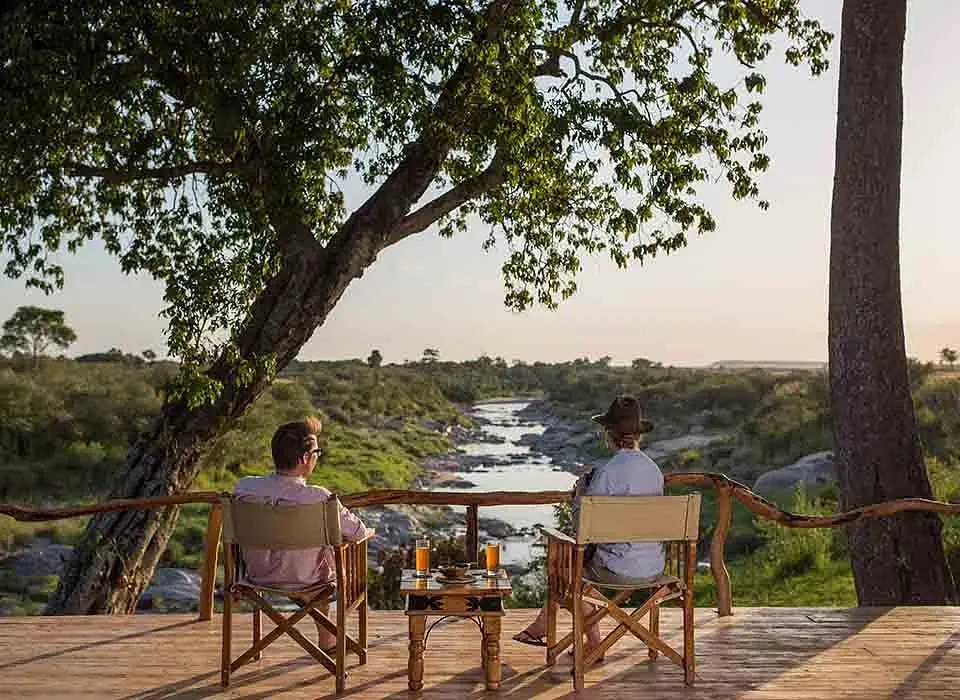
Where to stay during great migration Masai Mara safari
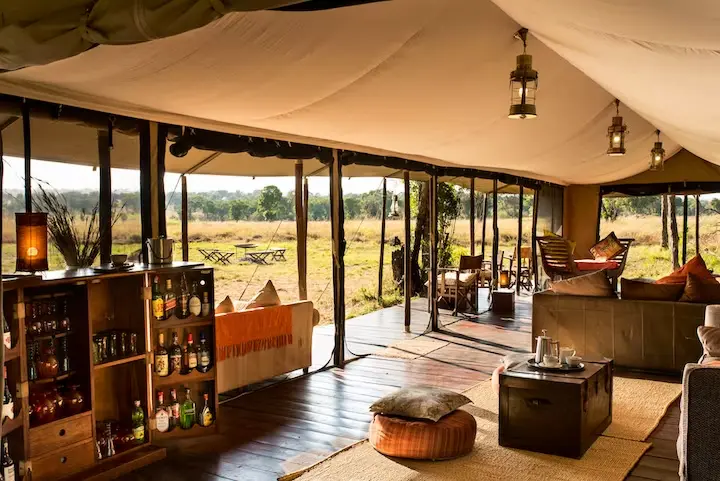
Well-appointed tented camp near Mara River

Disadvantages of the Masai Mara Migration Season

Visiting the Masai Mara during the peak of the Great Migration (July to October) has several downsides:

  • Too Many People: The wildlife concentration attracts a corresponding number of tourists. This means traffic jams, especially around river crossings and kills, and takes away from the feeling of being in the wild and alone on a safari.
  • Peak Season Pricing: Accommodations, park fees, and safari packages are at their highest during this time, making a trip to the Mara significantly more expensive than during the green season.
  • No Guarantee: Despite the cost, there is no guarantee of seeing the Mara River crossings. The herds move according to rain and grazing conditions, so many visitors are disappointed.
  • Environmental Impact: The number of vehicles following the herds means off-roading and more pressure on the plains, which can damage the very environment you have come to see.
image4

FAQs About the Great Migration

Here are seven questions about the Great Wildebeest Migration in East Africa:

What is the Great Migration? 

It’s the most significant single movement of mammals on Earth, a continuous, year-long, clockwise circuit of over 2 million animals—mainly wildebeest, but also hundreds of thousands of zebras and gazelles—following the rains in search of fresh grazing across the Serengeti (Tanzania) and Maasai Mara (Kenya) ecosystems.

Sightseeing activities during great migration Masai Mara safari
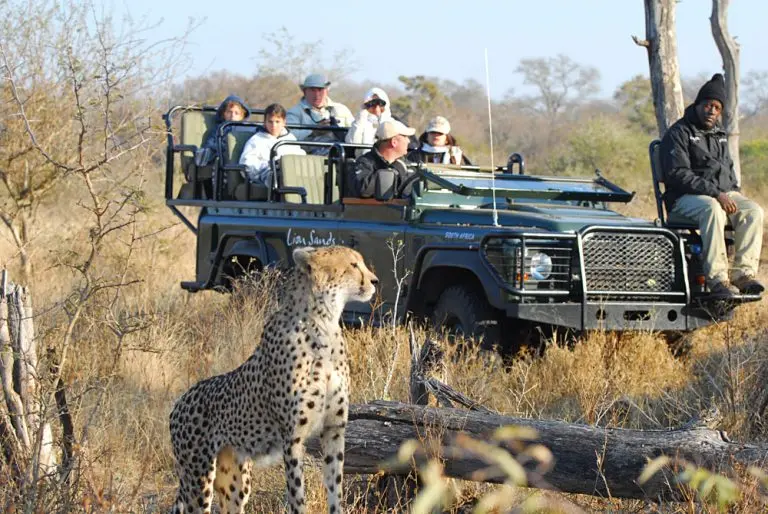
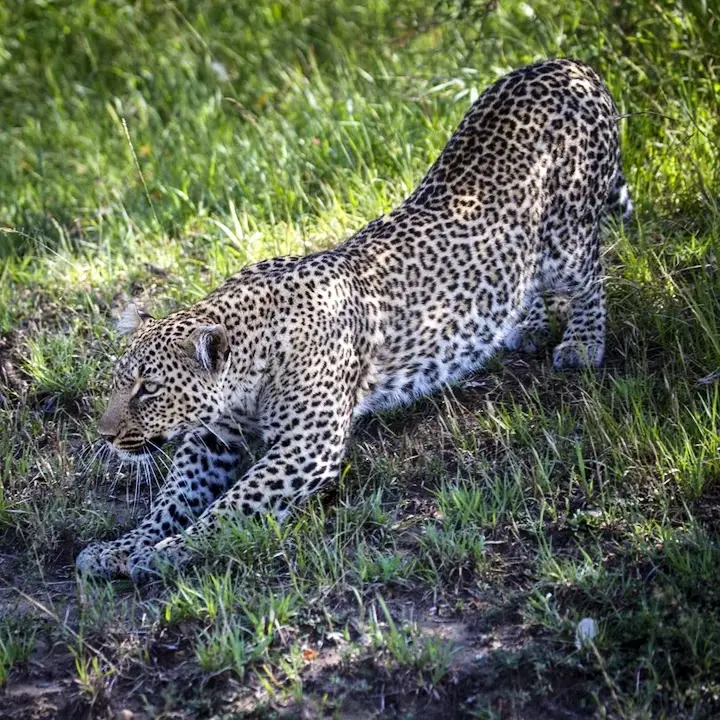
Up-close of a cheetah stretching on green Mara plains

When is the best time to see the Great Migration? 

The migration is a year-round event, but the best time to observe it depends on what you want to see.

  • River Crossings (Most Dramatic): July to October, when the herds face the crocodile-infested Grumeti and Mara Rivers.

Calving Season (High Predator Action): January to March, when nearly 500,000 calves are born on the southern Serengeti plains.

Serengeti National Park in Tanzania
Game viewing opportunities beyond Masai Mara

Is the migration always in the Maasai Mara? 

No. The herds spend most of the year (November to July) in Tanzania’s Serengeti National Park. They only enter Kenya’s Maasai Mara (the northernmost point of their journey) during the dry season, usually July to October, before returning south.

Serengeti National Park in Tanzania
Group of travelers on customized safari tour in Serengeti

How many animals are involved in the migration? 

The “mega-herd” is over 2 million animals, which includes:

  • 1.5 million Wildebeest (Gnus)
  • 200,000 Zebra
  • Smaller numbers of Grant’s and Thomson’s Gazelles and other antelope species.
A visit to Masai Mara in Kenya
Customized Masai Mara safari tours

Why do the zebras and wildebeest travel together? 

They have a symbiotic relationship. Zebras eat the tougher, longer parts of the grass, opening up the plains for the wildebeest, which prefer the short, sweet grass shoots beneath. They are mowing the lawn for each other.

Customized Masai Mara safari

Do the animals follow a set calendar? 

No. The timing and route of the migration are unpredictable as they are entirely dependent on local rainfall. If the rains are early or late, the herd movements can be delayed by weeks or even months. Guides use mobile camps and real-time reports to track them.

Where do the wildebeest calves start their lives? 

Almost all calves (around 8,000 per day during peak) are born on the short-grass plains of the Southern Serengeti (Ndutu region) between January and March. They are precocial, standing within minutes and running with the herd within hours of birth, thereby avoiding predators.

About the Author – Harrison K. Irura – Travel Consultant AjKenyaSafaris.com

Harrison K. Irura is a travel consultant at AjKenyaSafaris.com with over 10 years of experience in creating custom safaris. A true Kenyan, he has travelled all over the country, including Amboseli, Masai Mara, Lake Nakuru, Samburu, Ol Pejeta, Tsavo, and Diani. 

He is a graduate of a Kenyan University with a degree in Human Resource Management and a member of the Kenya Association of Travel Agents (KATA), ensuring professional and ethical tourism standards. He loves sharing the beauty of the African wilderness with travellers from around the world.