
Top 10 Safaris in Kenya: Unforgettable Tours and Wildlife Adventures
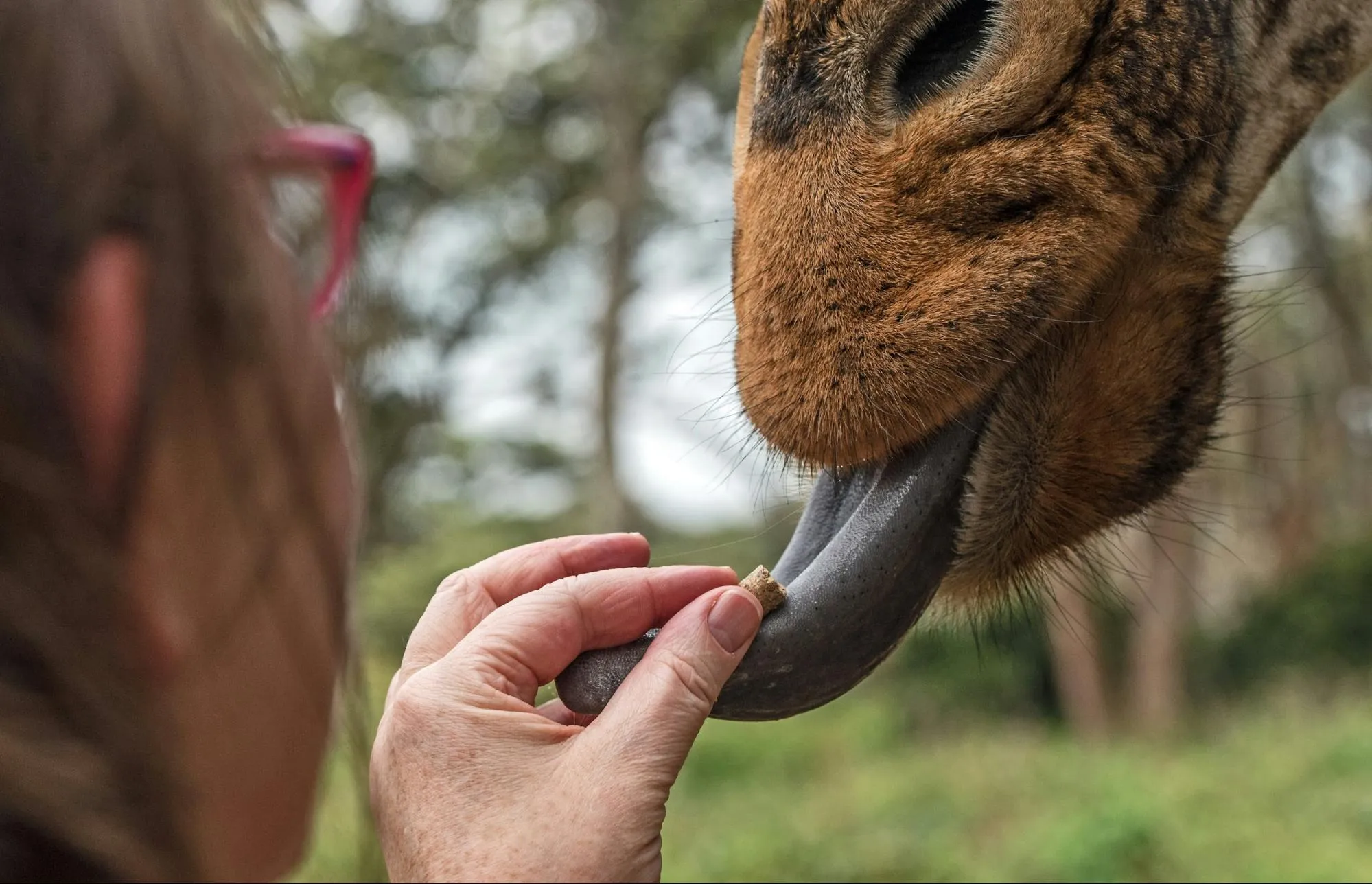
Looking for safaris in Kenya? This article will guide you to Kenya’s top safari experiences, including the Great Migration in Masai Mara, the elephants of Amboseli, and the famous flocks of flamingos at Lake Nakuru National Park. Discover the best tours, national parks, and wildlife encounters safaris in Kenya has to offer, including diverse wildlife such as hippos, leopards, and the endangered Rothschild’s giraffe.
Executive Summary
- Explore Kenya’s Top Safari Hotspots: Dive into the wild wonders of Masai Mara and Amboseli! With jaw-dropping wildlife sightings and landscapes that will leave you in awe, these destinations are a dream come true for every adventure enthusiast.
- Luxury or Budget, Kenya Has It All: Whether you’re indulging in lavish lodges or finding budget-friendly gems, Kenya’s safari scene caters to all. Expect unforgettable experiences and memories that won’t stretch your wallet!
- Beyond the Safari Vehicle: Step up your adventure with thrilling walking safaris, exhilarating night drives, and enriching tours to enjoy Masai Culture. Discover Kenya’s vibrant biodiversity and immerse yourself in local traditions like never before!
Book Your Kenya Tour With Us: Our Contact Details
For the finest Kenya tour packages, feel free to reach out to us via phone or WhatsApp at +254-704-532-105. You can also connect with us through our official email addresses: safarioffers@kenyaluxurysafari.co.uk or safarioffers@ajkenyasafaris.com.
Our senior consultants, James Gatheru and Henry Kuria, are here to help design a personalized safari experience that meets your expectations. For inspiration, take a look at this incredible Kenya wildlife tour package: https://masai-mara.in/kenya-tourism-packages/.
Discover the Magic of Kenya Safari Tours
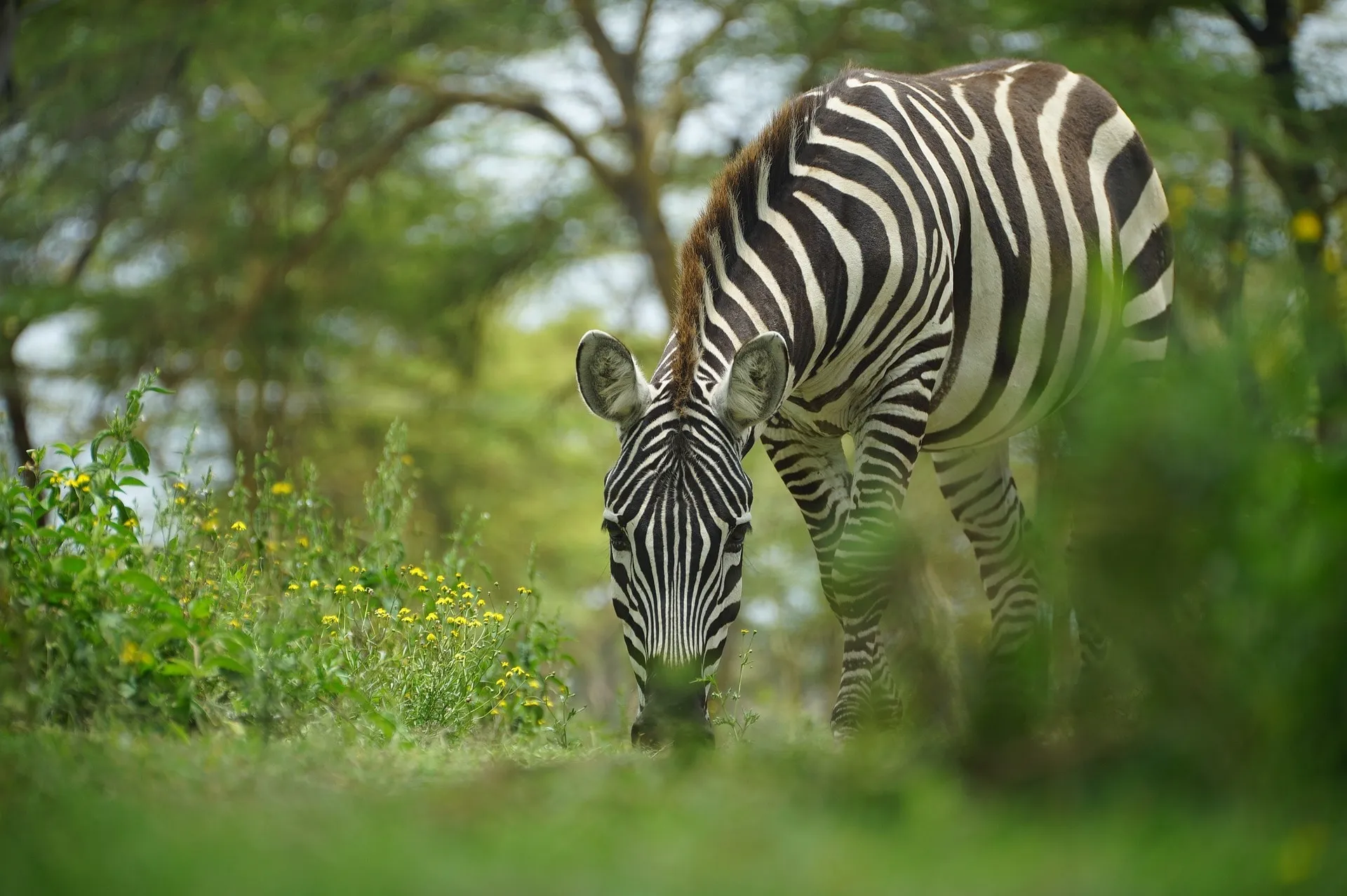
Embarking on Kenya safari tours is like stepping into a wildlife documentary, where every turn reveals a new marvel. The magic begins with destinations like the Masai Mara safari, home to the Big Five and the spectacular Great Migration, where millions of wildebeests and zebras traverse the Mara River in a dramatic survival saga. The thrill of spotting a lioness stalking her prey or a graceful giraffe silhouetted against the horizon is unparalleled.
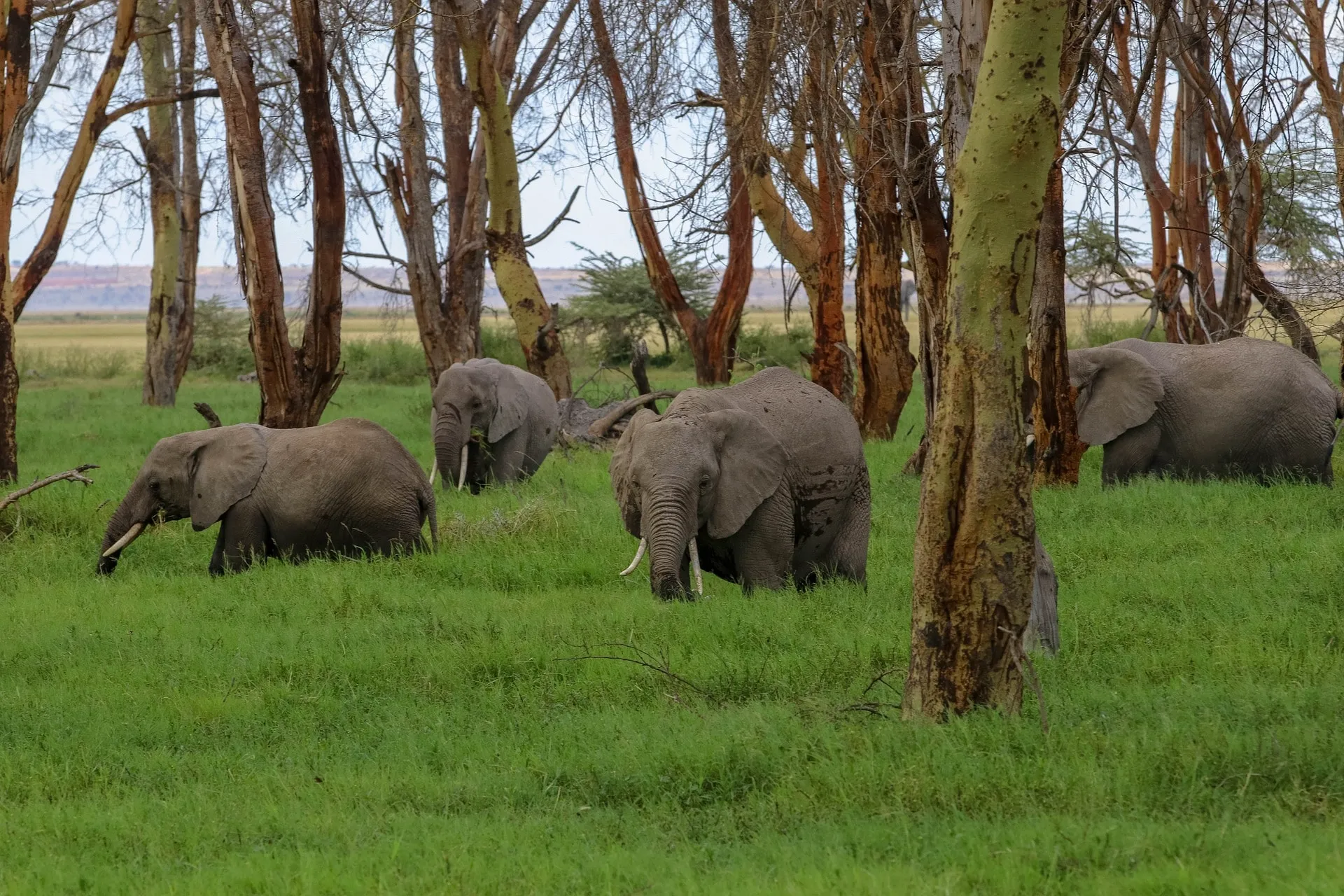
Amboseli National Park, renowned for its large elephant herds and stunning views of Mount Kilimanjaro, offers a unique backdrop for your safari adventure. Here, you can witness elephants roaming freely with Africa’s highest peak looming majestically in the distance. The park’s diverse ecosystem supports a variety of wildlife, making every game drive a new adventure.
Tsavo West National Park is another key destination, known for its rich wildlife, stunning scenery, and cultural experiences. It is an essential stop for travelers seeking a comprehensive safari experience in Kenya.
Samburu National Reserve adds to the enchantment with its arid landscape and unique species adapted to the harsh environment. From the striking Grevy’s zebra to the long-necked gerenuk, Samburu’s wildlife is a testament to nature’s adaptability. Each of these destinations offers unforgettable encounters with wildlife, unique ecosystems, and stunning photography opportunities.
Kenya safaris are not just about wildlife; they are a delightful blend of adventure, cultural experiences, and the raw beauty of nature.
Whether you’re watching a Maasai warrior dance or exploring the rugged landscapes of Mount Kenya, every moment on a Kenyan safari is infused with the magic of Africa. As we delve deeper, you’ll discover the top national parks, iconic wildlife experiences, and much more.
Top 5 National Parks for a Kenyan Safari
Kenya’s national parks are the crown jewels of its safari offerings, each with its unique charm and wildlife spectacles.
Let’s explore the top five national parks that should be on every safari-goer’s list.
After the Masai Mara National Reserve, consider visiting Tsavo West National Parks. These parks, in conjunction with Tsavo East, offer incredible Kenya safari experience . You can embark on multi-day safari trips to explore the unique landscapes and diverse wildlife of both parks. Various tours are available, providing an opportunity to experience the best of what Tsavo has to offer.
Masai Mara National Reserve
The Masai Mara National Reserve is one of the most famous and iconic wildlife reserves in Africa. Located in southwestern Kenya, it is known for its abundant wildlife, including the Big Five (lion, leopard, elephant, buffalo, and rhinoceros), as well as its annual wildebeest migration. The reserve is also home to a wide variety of bird species, including ostriches, eagles, and vultures.
Iconic Wildlife Experiences on a Kenya Safari
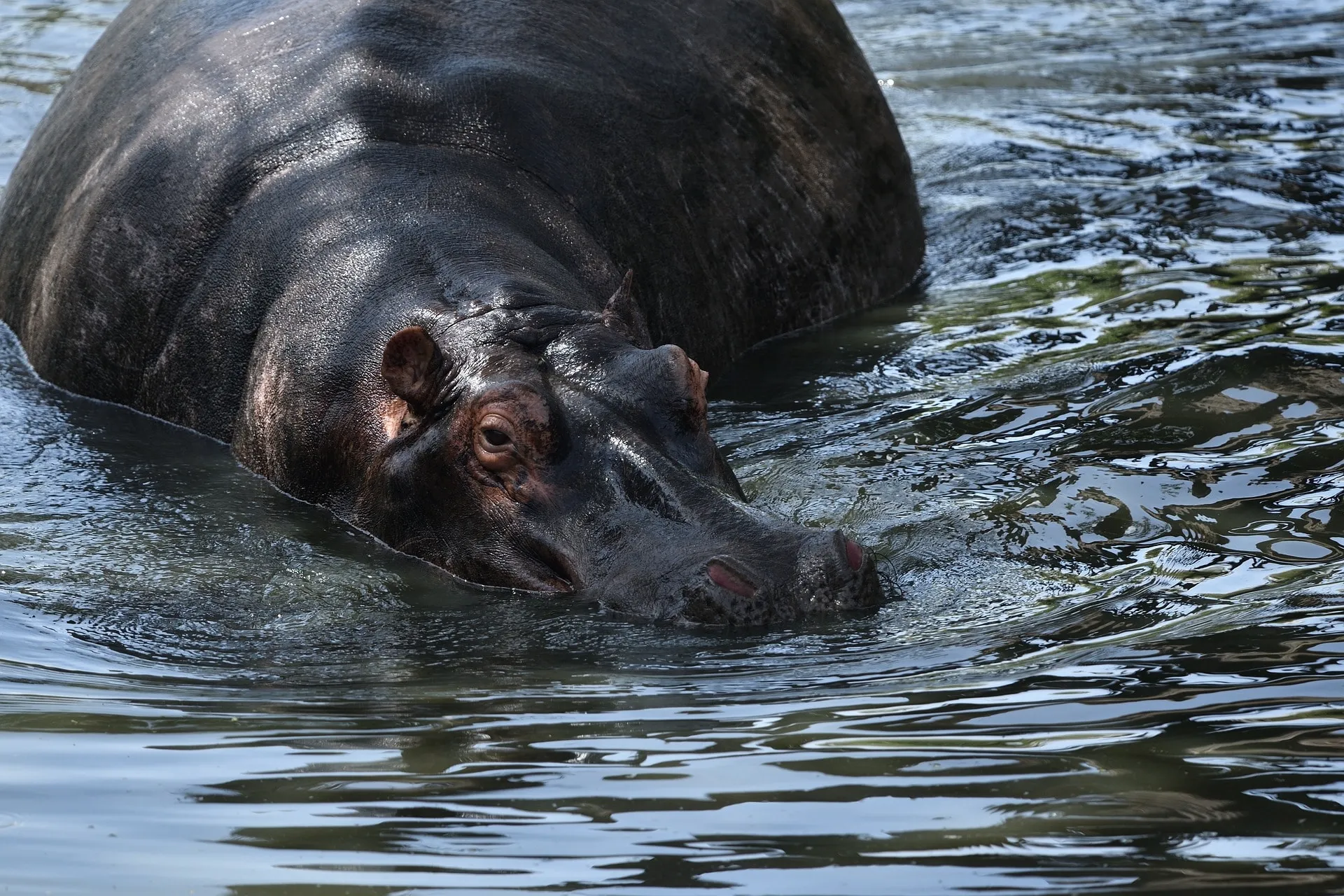
A Kenya safari is synonymous with iconic wildlife experiences that leave an indelible mark on every visitor. From the thrill of spotting the Big Five to witnessing the Great Migration, Kenya Safaris offer unparalleled encounters with nature’s finest.
The Big Five—lion, leopard, elephant, rhinoceros, and Cape buffalo—are the holy grail for many safari-goers. Amboseli National Park is particularly famous for its large herds of elephants, where you can observe their impressive size and social structure up close. The sight of these majestic creatures against the backdrop of Mount Kilimanjaro is a photographer’s dream.
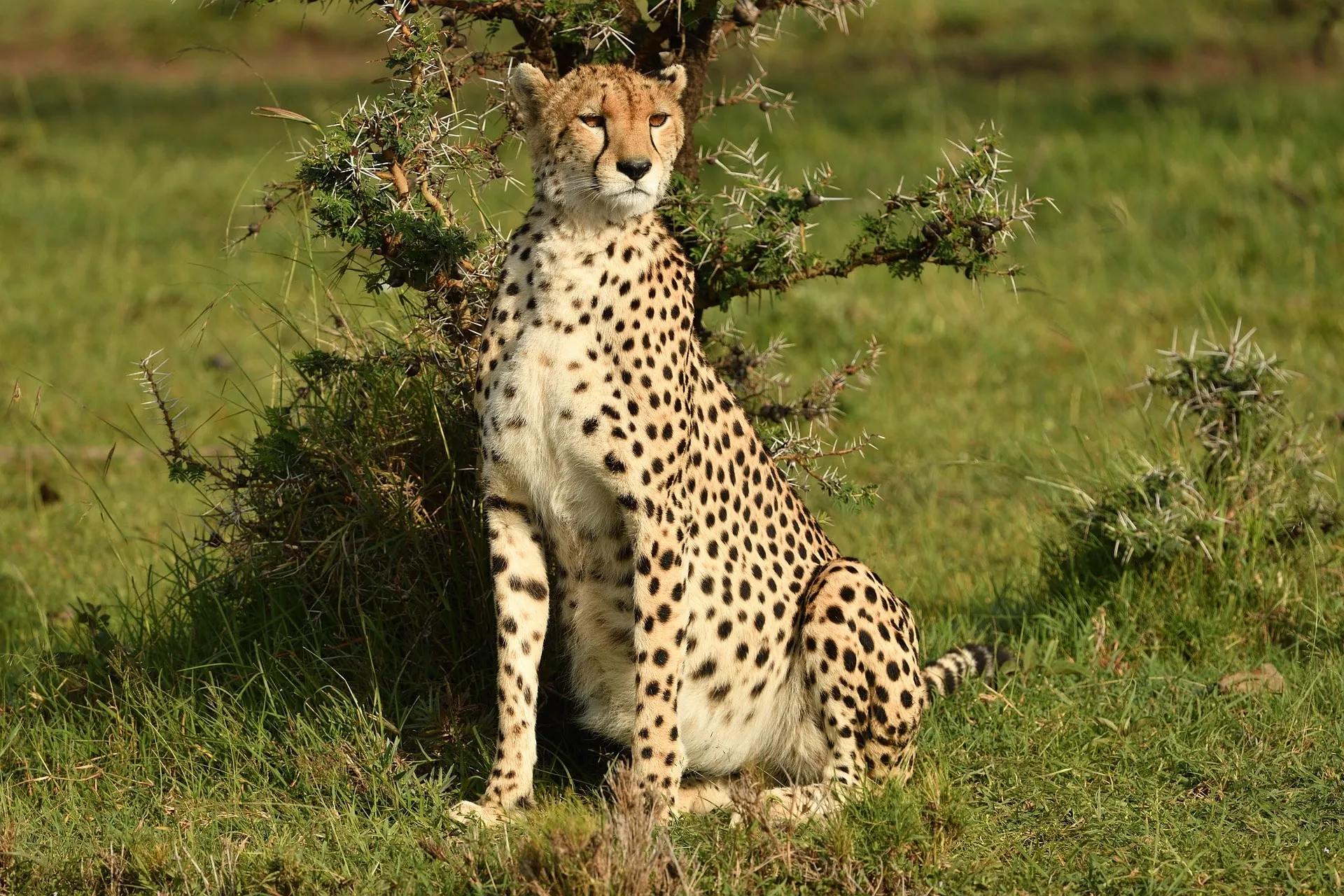
In the world famous Masai Mara, the drama of the Great Migration unfolds each year, with millions of wildebeests and zebras making their perilous journey across the famous river in Mara. This spectacle is not only about the sheer numbers but also the predator-prey interactions that play out in real-time. Watching a lioness stalk her prey or a cheetah sprint across the plains is a heart-pounding experience.
Beyond the Big Five, the Masai Mara national park offers a rich diversity of wildlife, including giraffes, cheetahs, and numerous other species. Game drives here are filled with surprises, as you never know what you might encounter next. Each sighting, from a playful group of lion cubs to a solitary leopard lounging in a tree, adds to the tapestry of your safari adventure.
Kenya’s commitment to wildlife conservation ensures that these experiences continue to thrive. Conservation efforts, supported by education and collaboration with local communities, play a crucial role in preserving the country’s rich biodiversity. As you explore Kenya’s wild heart, you’ll gain a deeper appreciation for these efforts and the incredible wildlife they protect.
Luxury Kenya Safaris: Indulge in Comfort and Style
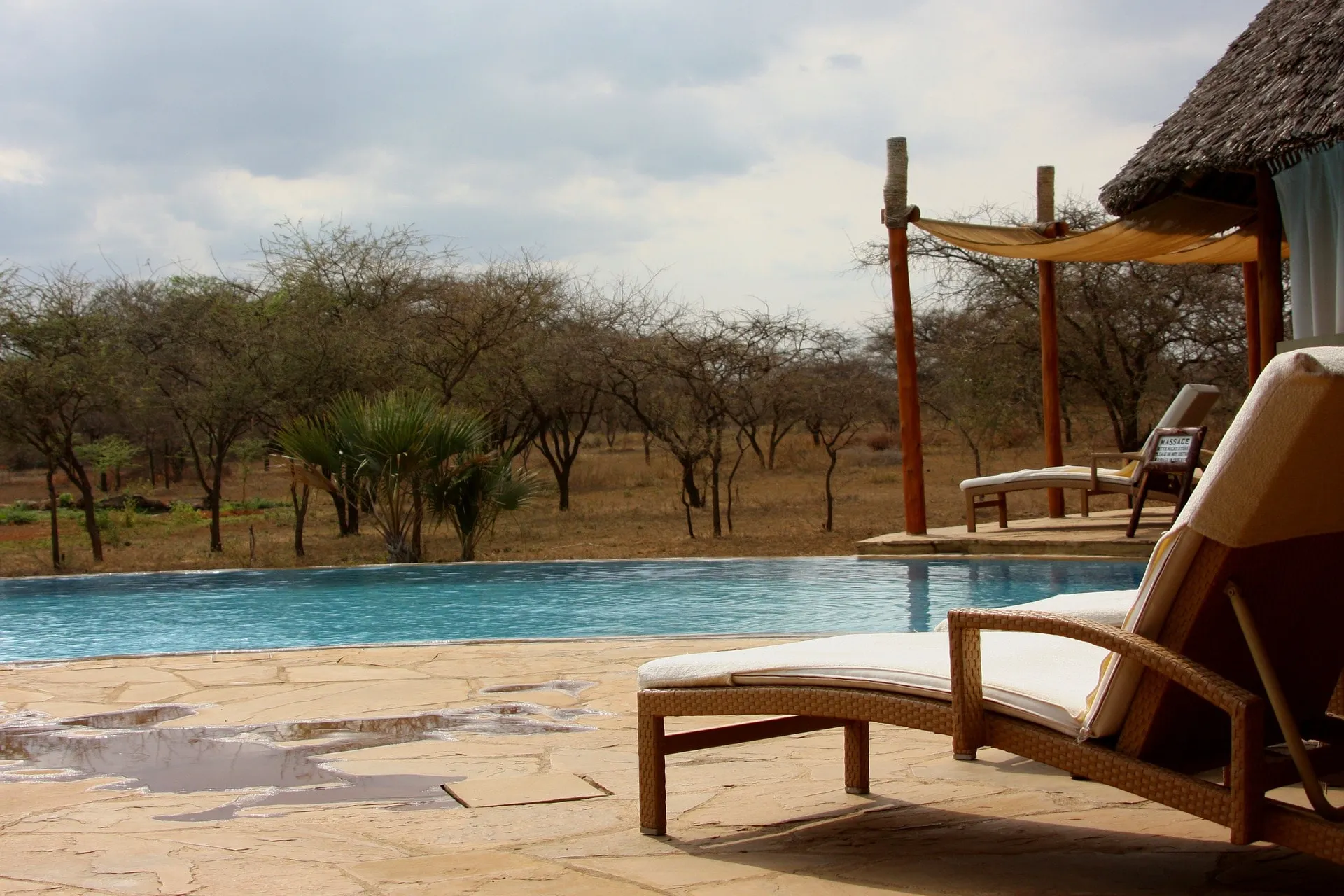
For those seeking the ultimate in comfort and style, luxury Kenya safaris offer an unparalleled experience. Imagine staying in opulent lodges and luxury camps that blend seamlessly with their natural surroundings, providing an exquisite retreat after a day of adventure.
Luxury accommodations in Kenya’s safari destinations pamper guests with modern amenities and world-class services. Each lodge and tented camp ensures comfort, safety, and enjoyment, offering refined dining experiences such as bush breakfasts in the wilderness.
One of the highlights of a luxury safari is the hot air balloon ride over the Masai Mara, offering breathtaking views of the Great Wildebeest Migration and the vast savannah below. These flights typically require advance booking due to limited capacity, but the experience is well worth it. Floating silently above the landscape, you’ll gain a unique perspective on the wildlife and scenery that few get to see.
Traveling between parks by air saves time and provides an opportunity to enjoy Kenya’s stunning landscapes from above. This allows for a more relaxed itinerary, with plenty of time to savor the luxury accommodations and optional experiences such as guided nature walks and cultural encounters. Whether it’s a stay at an authentic bush camp or a luxurious lodge, a luxury Kenya safari is a journey of indulgence and discovery.
Budget-Friendly Kenya Safari Packages
Kenya safari tours are not just for the affluent; there are plenty of budget-friendly options that offer incredible experiences without breaking the bank. With careful planning, you can enjoy the wonders of Kenya’s wildlife and landscapes on a budget.
Budget safari packages in Kenya range from $355 to $1,845, depending on the duration and inclusions. Popular budget options include tented camps and budget hotels, which provide comfortable accommodations at a fraction of the cost of luxury lodges. These options allow you to immerse yourself in the safari experience while keeping costs manageable.
Group joining safaris are a cost-effective way to explore multiple national parks. These tours are designed for small groups, with shared vehicles accommodating up to 8 people. This not only reduces costs but also provides an opportunity to meet fellow travelers and share the excitement of wildlife sightings.
One of the most popular budget itineraries is the 3-Day Masai Mara Budget Safari, starting from $400. This package includes accommodation, meals, and game drives, offering an affordable way to experience one of Kenya’s premier wildlife destinations.
A one Day Safari tours in Nairobi National Park start at approximately $165 one pax and $90 two pax for a basic adventure, offering a range of options to suit different budgets while exploring the park’s wildlife and landscapes. Opting for budget-friendly options such as Nairobi National Park Safaris allow you to enjoy an unforgettable safari adventure without compromising on quality.
Beach Safari Tours: Combining Wildlife and Relaxation
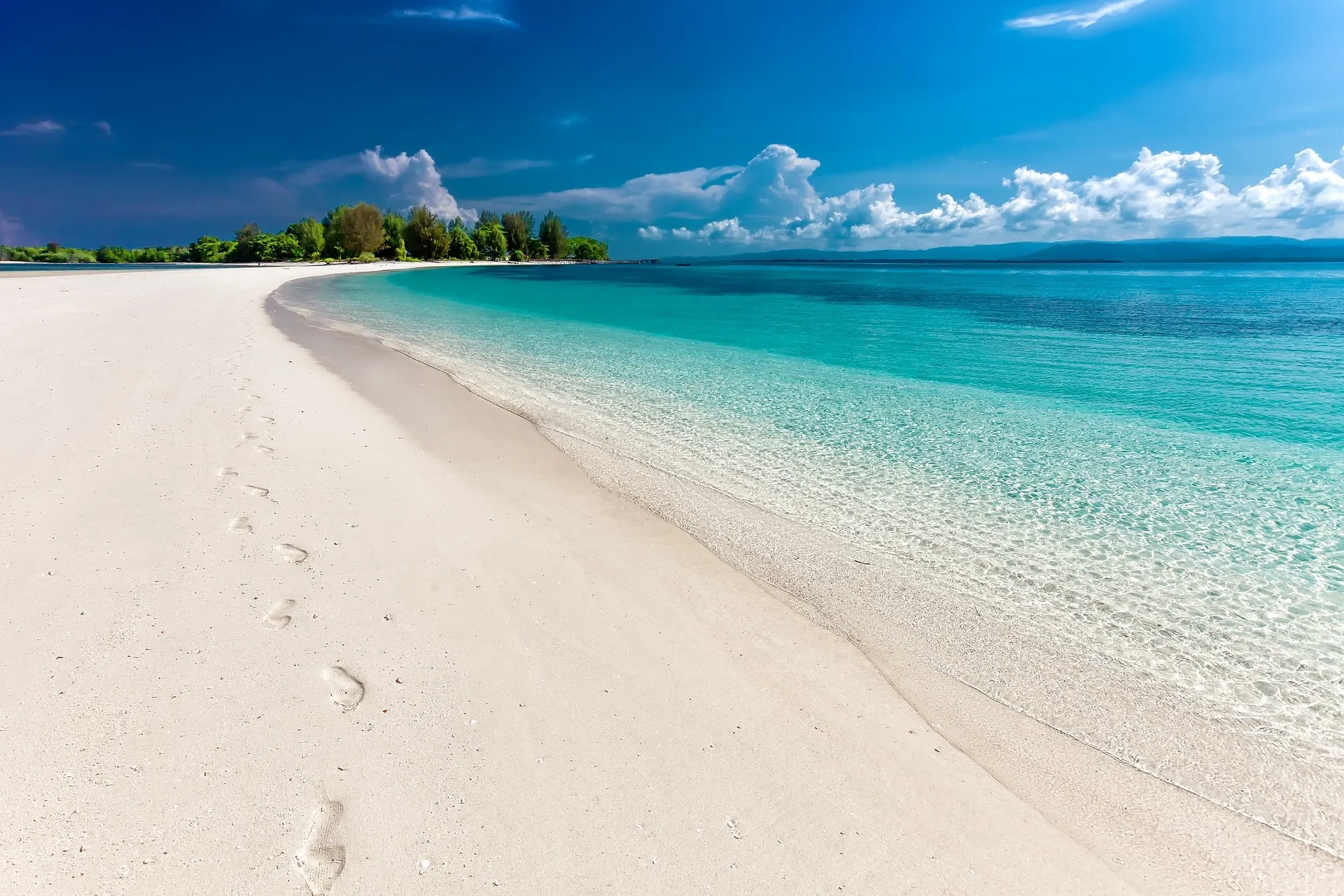
A beach safari tour offers the perfect blend of adventure and relaxation, combining the thrill of wildlife encounters with the serenity of Kenya’s stunning coastline. After the excitement of game drives, unwind on the pristine beaches of the Kenyan coast.
Diani Beach, often highlighted as the top beach destination in Africa, is renowned for its clear waters and soft white sands. Visitors can engage in a variety of activities, from skydiving and snorkeling to dolphin safaris and dhow cruises. The area also offers deep-sea fishing trips targeting species like Sailfish and Blue Marlin.
Wasini Island, another gem on the Kenyan coast, provides unique experiences such as whale and dolphin spotting, snorkeling, and diving in vibrant marine environments in its Kisite Mpunguti Marine Park. The island’s rich marine life and scenic beauty make it a perfect addition to your safari itinerary.
Combining a safari with a beach getaway in the Indian Ocean allows you to experience the best of both worlds. After exploring the savannahs and witnessing the incredible wildlife, relax on the shores of the Indian Ocean, enjoying the tranquil ambiance and warm hospitality of the Kenyan coast. Whether you’re into adventurous water sports or simply want to bask in the sun, a beach safari tour is the ideal way to round off your Kenyan adventure.
Unique Safari Activities Beyond Game Drives
Kenya safari tours offer more than just game drives; a plethora of unique activities awaits those looking to diversify their safari experience. Here are some exciting alternatives to traditional game viewing.
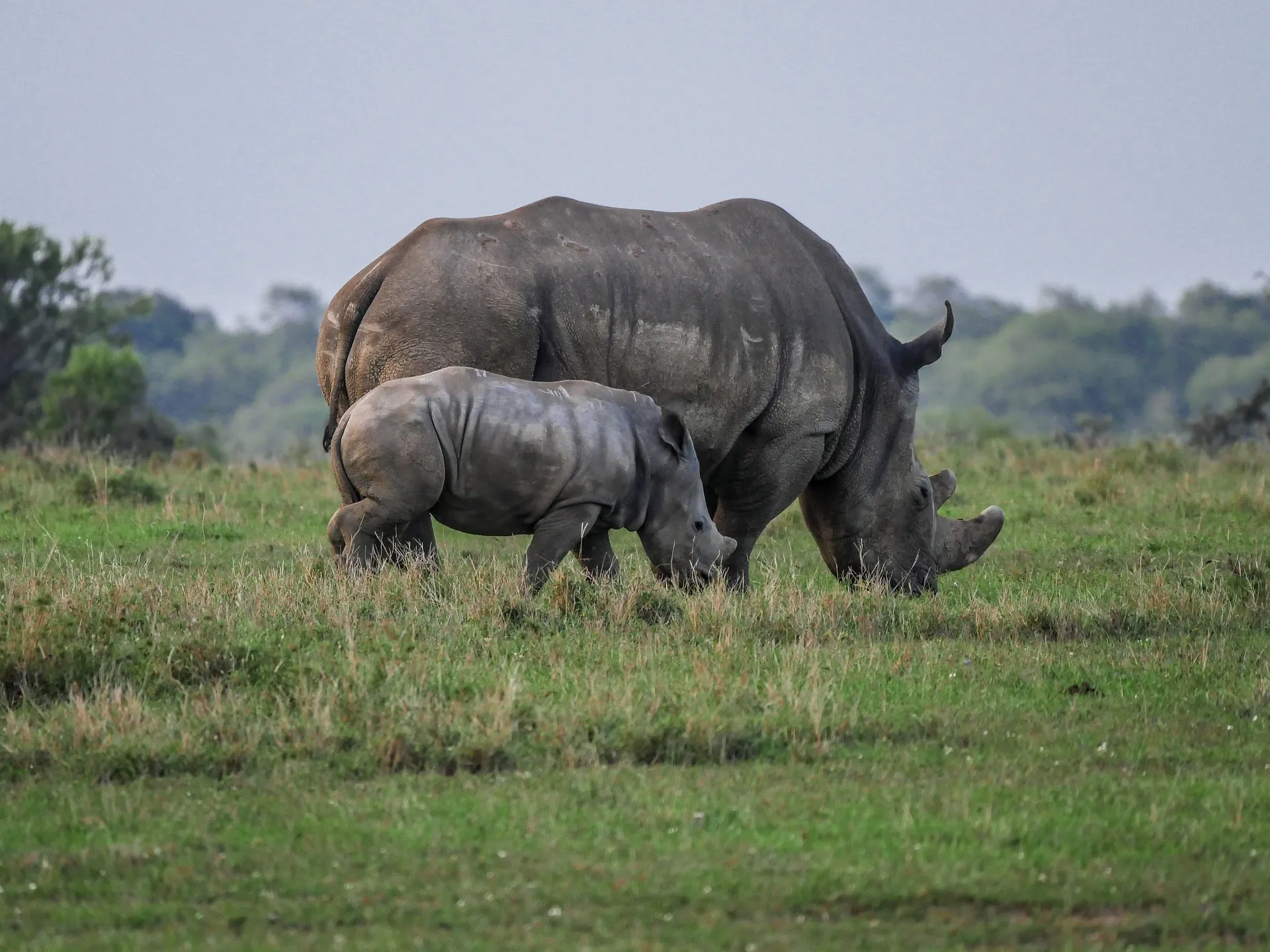
A walking safari provides an intimate and immersive way to explore Kenya and its wilderness. Guided by trained professionals, these hikes allow you to get up close to nature, observing flora and fauna that are often missed from a safari vehicle. Private conservancies like Ol Pejeta are particularly known for not only Rhino conservation offering safe but also educational walking tours.
Night game drives present a whole new world of nocturnal wildlife activity. Under the cover of darkness, you’ll have the chance to see animals that are rarely active during the day, such as leopards, hyenas, and various nocturnal birds. It’s an exhilarating experience, providing a different perspective on Kenya’s wildlife.
Cultural tours offer a glimpse into the vibrant traditions and lifestyles of local communities. Visiting a Maasai village or engaging with the Samburu people enriches your safari experience, adding a cultural dimension to your adventure. These encounters foster a deeper understanding of the region’s heritage and the harmonious relationship between the people and the land.
For bird enthusiasts, Kenya is a paradise with its diverse avian population. Bird watching tours take you through various habitats, from wetlands to forests, where you can spot a wide array of bird species. It’s a peaceful and rewarding activity that complements the more adrenaline-fueled game drives.
Kayaking safaris are another unique way to experience Kenya’s natural beauty. Paddling through scenic waterways, you can observe wildlife from a different vantage point, enjoying the tranquility of the environment. These activities ensure that your safari is a multifaceted adventure, filled with diverse and enriching experiences.
Best Time to Visit Kenya for a Safari
Timing is crucial when planning a Kenya safari tour to ensure you get the most out of your adventure. The best time for game viewing in East Africa is generally from June to October, when the dry season peaks. Wildlife tends to gather around water sources during this period. This behavior makes it easier to spot them, especially in the perfect safari destination as Masai Mara Game Reserve, Amboseli National Park, Meru National Park, Tsavo East National Park, Tsavo West National Park, and Ol Pejeta Conservancy, among others.
Best Time for Game Viewing: June to October
Timing is crucial when planning a Kenya safari tour to ensure you get the most out of your adventure. The best time for game viewing in East Africa is generally from June to October, when the dry season peaks. Wildlife tends to gather around water sources during this period, making it easier to spot them.
Witness the Great Migration: July to September
The Great Migration, one of nature’s most spectacular events, occurs from July to September in the Masai Mara. This is the prime time to witness millions of wildebeests and zebras making their perilous journey across the Mara River. The sight of these animals braving the crocodile-infested waters is a highlight of any safari.
How to Choose the Right Safari Vehicle
Selecting the right safari vehicle is crucial for a successful East African Safari. Different vehicles cater to varying needs and preferences, and understanding their features can help you make an informed choice.
Safari vehicles in Kenya include 4×4 land cruisers, safari vans, and overland trucks. The 4×4 land cruisers are popular for their ability to navigate difficult terrains, making them ideal for adventurous routes and off-road safaris. These vehicles often come with pop-up roofs, providing excellent wildlife viewing opportunities while keeping you protected from the elements.
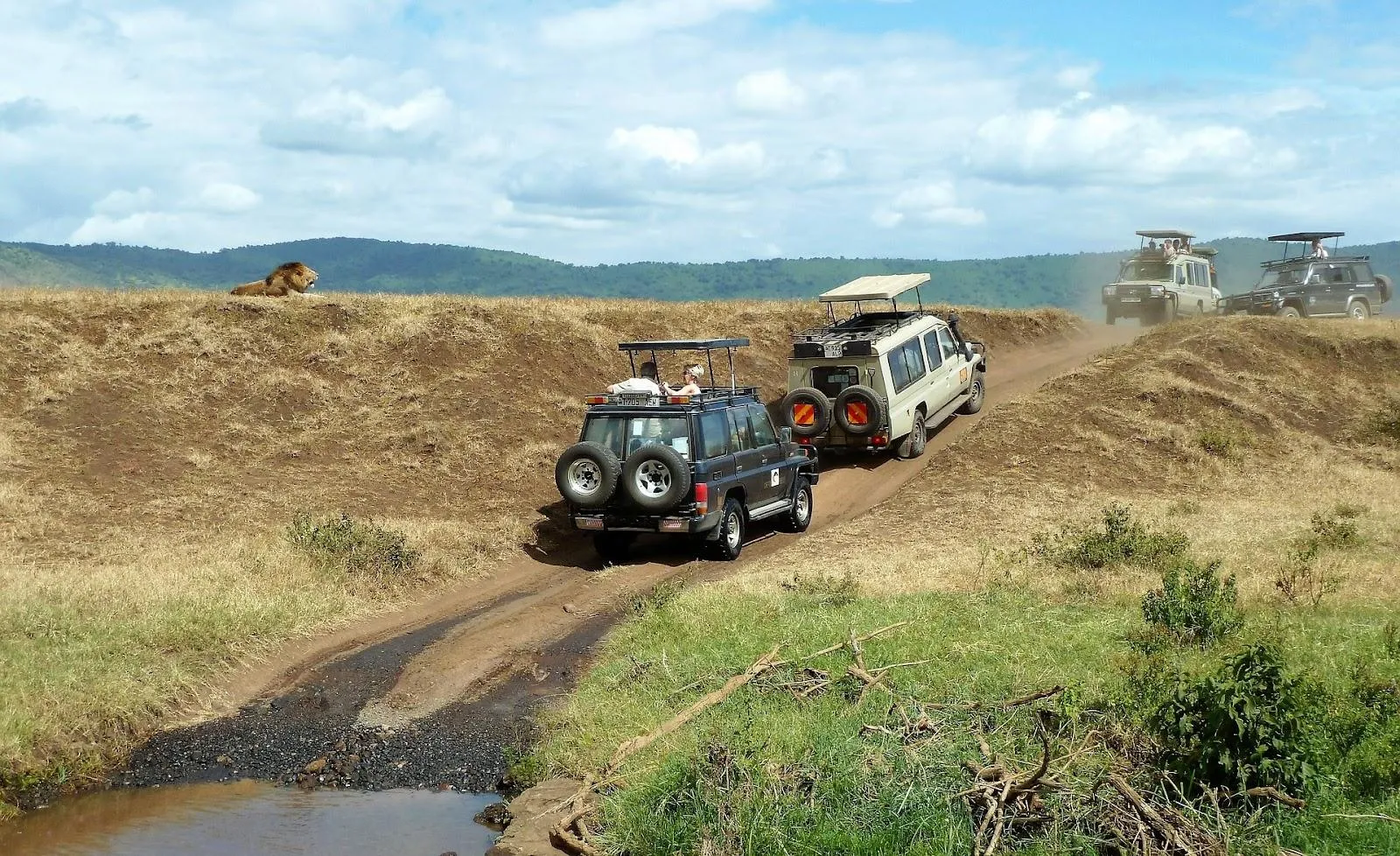
When choosing a safari vehicle, consider the specific destinations and road conditions you will encounter. For instance, the rough terrain of the Masai Mara game reserve, Mount Kenya, or Samburu National Reserve might necessitate a 4×4 vehicle, whereas a visit to Nairobi National Park or Lake Nakuru might be more suited to a safari van.
Accommodations: Where to Stay on Your Safari
When planning a tour in Kenya, whether budget or luxury safari, choosing the right accommodations is crucial to ensure a comfortable and amazing trip. There are various options available, ranging from luxury camps and tent camps to budget-friendly guesthouses and camping sites.
- Luxury Lodges: These offer high-end amenities and services, including fine dining, spas, and guided game drives. Some popular luxury accommodations in the Masai Mara include the Mahali Mzuri, the Angama Mara, and the Singita Tented Camp.
- Tented Camps: These provide a more rustic and immersive experience, with comfortable tents and shared facilities. Some popular tented camps in the Masai Mara include the Governors’ Camp, the Rekero Camp, and the Ngerende Island Lodge.
- Budget-Friendly Options: For those on a tighter budget, there are various guesthouses and camping sites available, including the Masai Mara National Reserve’s own camping facilities where guests can enjoy candle lit dinners during African Night Safaris.
Safety and Precautions for a Kenya Safari
When going on a safari trip in Kenya, top tour operators as well as Kenya Wildlife Service recommends taking necessary safety precautions to ensure a safe and enjoyable experience.
Tips for a Successful Safari in Kenya
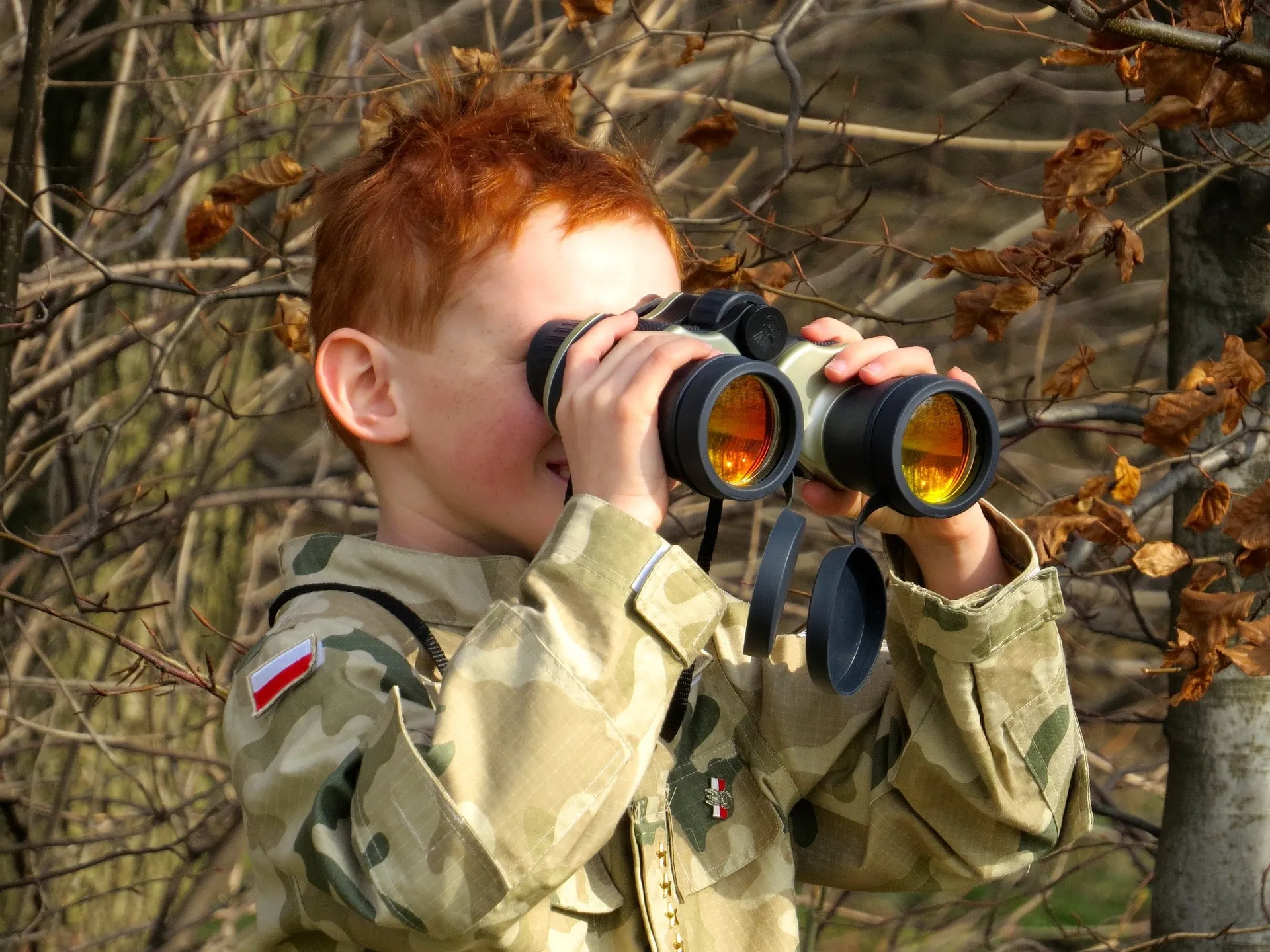
A successful Kenya safari tour requires careful preparation and attention to detail. Here are some essential tips to ensure your adventure goes smoothly and remains unforgettable.
Packing lightly is recommended due to strict luggage restrictions on many safari vehicles and internal flights. Most lodges offer laundry services, so you don’t need to pack excessively.
Clothing should be lightweight and breathable to adapt to fluctuating temperatures, especially during the dry season. In the rainy season, moisture-wicking fabrics and waterproof gear are essential to stay comfortable and dry. Avoid brightly colored clothing as it can scare wildlife and attract insects. A wide-brimmed hat is crucial for sun protection.
Lastly, remember that plastic bags are prohibited in Kenya, so opt for reusable bags when packing.
Summary
Explore Kenya’s stunning landscapes, abundant wildlife, and rich culture with safari experiences ranging from the iconic Masai Mara to the serene Diani beaches. Whether you’re after luxury or budget-friendly options, Kenya has something for every traveler. Plan your safari with the right timing and preparation to make unforgettable memories. Book your adventure now and dive into Kenya’s wild heart!
Frequently Asked Questions
What is the best time to visit Kenya for a safari?
The best time to visit Kenya for a safari is during the dry seasons from June to October and January to February, especially to catch the breathtaking Great Migration from July to September! Don’t miss this wildlife adventure!
Are there budget-friendly safari options in Kenya?
Absolutely, you can enjoy an amazing budget-friendly Kenya tour from India and other parts of the world, with options starting as low as $350 per person per day! Grab your adventurous spirit and explore the stunning wildlife without breaking the bank!
What unique activities can I experience on a safari in Kenya?
You can experience the thrill of walking safaris, night game drives, and even kayaking safaris! Don’t forget to explore local culture and indulge in bird watching for a truly unforgettable adventure!
How do I choose the right safari vehicle?
Choosing the right safari vehicle is crucial for an amazing adventure! Consider your budget, group size, and the type of terrain you’ll encounter—4×4 land cruisers are great for rugged paths, while vans work well for larger groups. Enjoy your safari!
What should I pack for a safari in Kenya?
For an unforgettable safari in Kenya, be sure to pack lightly with essentials like insect repellent, sunscreen, and a basic first aid kit, while keeping your clothing neutral. Just remember to leave the bright colors at home and skip plastic bags – you’re going to have an amazing adventure!
How do I ensure safety and health during my safari?
- Research and choose a reputable tour operator that follows safety guidelines and has experienced guides.
- Make sure to follow all instructions and guidelines provided by your guide and tour operator.
- Wear comfortable and suitable clothing, including closed shoes, long pants, and a hat.
- Bring sunscreen, insect repellent, and a first-aid kit.
- Avoid touching or feeding wild animals, as this can be dangerous and disrupt their natural behavior.
What are the costs and booking tips for a Kenya safari?
- The cost of a Kenya safari can vary greatly, depending on the type of accommodations, tour operator, and time of year. On average, a 3-day safari
