
Ngorongoro Crater: An Insider's Guide to the World's Largest Caldera
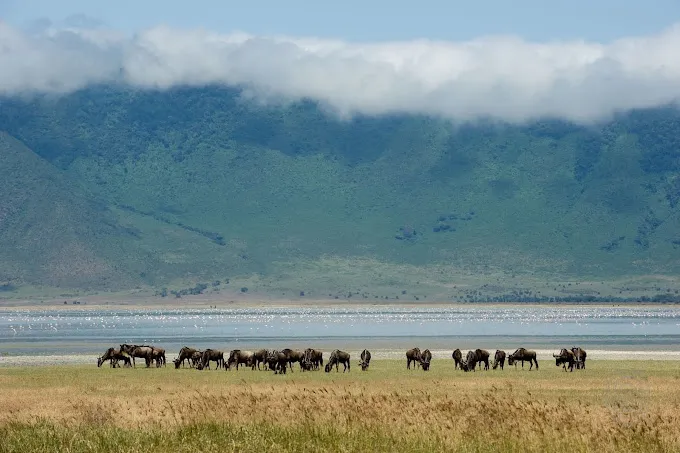
Ngorongoro Crater stays with you- not only because of its extraordinary beauty but also because of its serene ambiance.
In this guide, we highlight the very best of Ngorongoro, from its rich wildlife to its striking geological features and archaeological treasures. We also offer some practical visiting advice and highlight a few exciting activities you should try on your trip here.
But First…
We Offer the Best Kenya-Tanzania Safaris…
Yes, you heard that right. For more than two decades now, we have planned over 10,000 Kenya-Tanzania safaris, so, really, there’s no one better equipped than us to plan this one for you.
For more information, Call or WhatsApp us at +254-704-532-105 or send us an email at safarioffers@kenyasafariholidays.uk, safarioffers@ajkenyasafaris.com, or james@ajkenyasafaris.com
Also Check Out Some of Our Most Booked Safaris
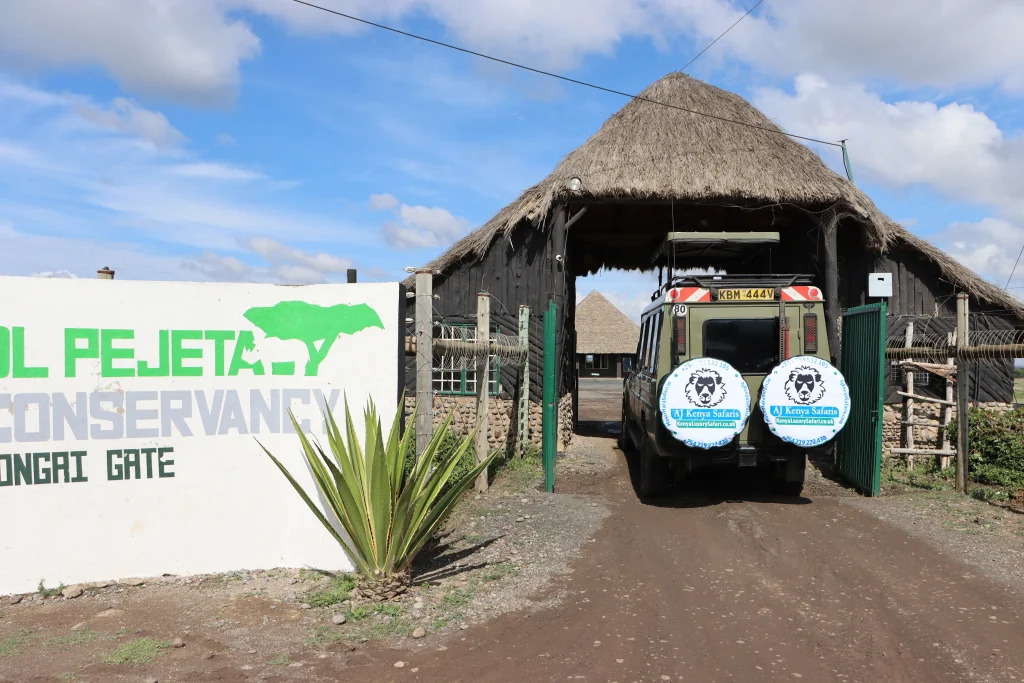
The Classic, 3-Day, 2-Night Masai Mara Safari
From $798
VIEW MORE
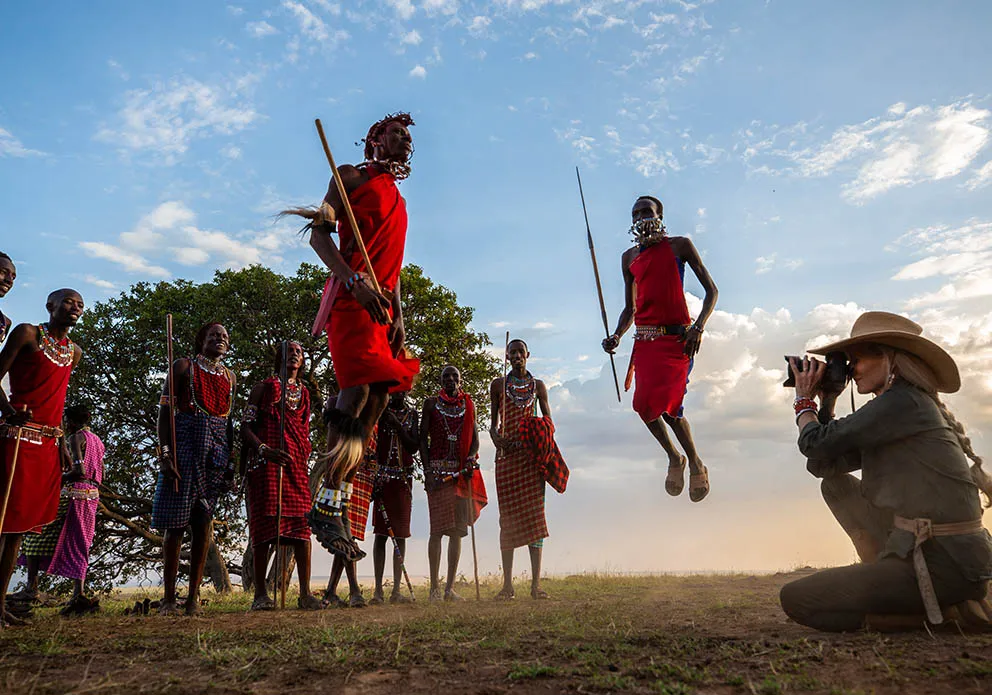
The Budget, 3-Day, 2-Night Jambo Masai Mara Safari
From $887
VIEW MORE

The Luxury, 4-Day, 3-Night Basecamp Masai Mara Safari
From $1233
VIEW MORE
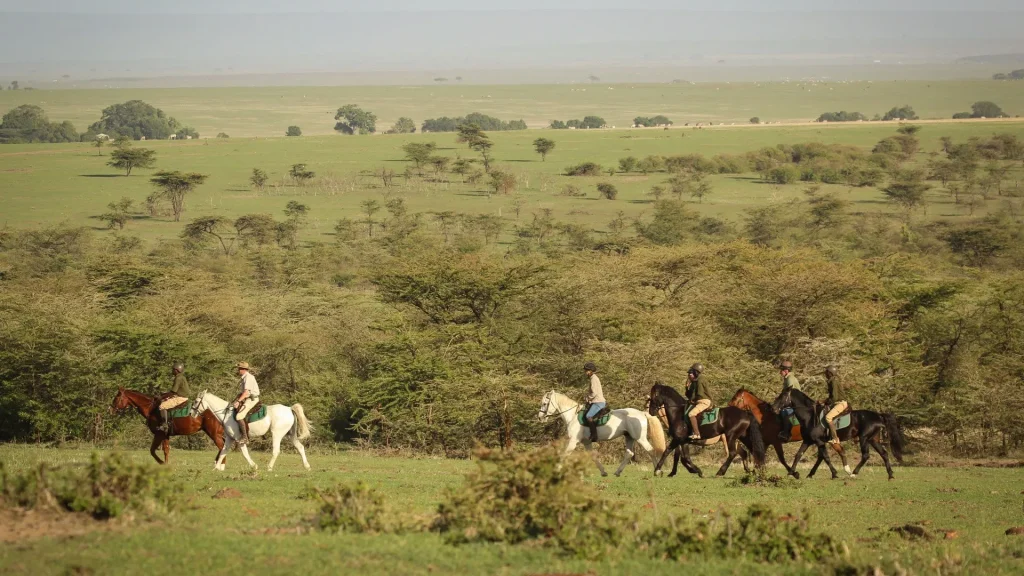
The Perfect, 4-Day, 3-Night Keekorok Lodge Safari
From $1111
VIEW MORE
And If this Video Won’t Convince you to Visit Ngorongoro, Nothing Will
Executive Summary
- Located in East Africa, the Ngorongoro Conservation Area is an expansive 8,000 km2 landscape that features stunning highland plains, savanna woodlands, and forests. The area stretches from the southern Serengeti plains to the Ngorongoro highlands.
- The Ngorongoro Crater in Tanzania is the largest inactive volcanic caldera, formed over two million years ago due to a major volcanic eruption and collapse. The crater is also of outstanding universal value, one because it’s a UNESCO World Heritage site and two because it is one of the world’s seven natural wonders.
- The Ngorongoro Crater is a vital wildlife sanctuary, with the wildlife inhabiting the area estimated to be over 30,000 animals, including the endangered Black Rhino and the Big 5.
- The Ngorongoro Conservation Area, which includes the crater, is an important archaeological site for human evolution with significant findings such as hominin fossils and the Laetoli footprints.
The Spectacular Ngorongoro Crater: A Geological and Archeological Marvel
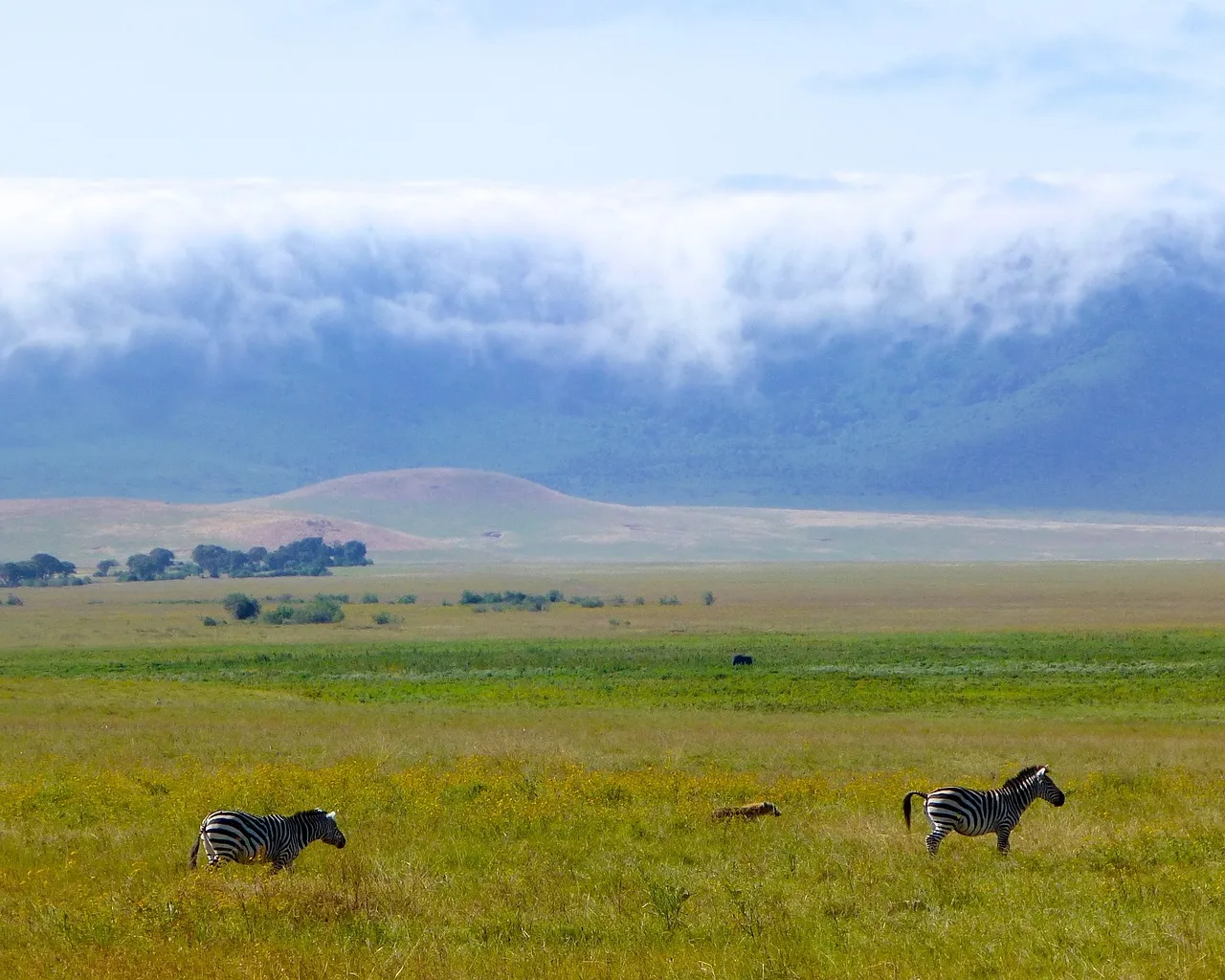
Nestled within the Ngorongoro Conservation Area, the Ngorongoro Crater stands as an enduring testament to Earth’s turbulent geological past. This distinctive caldera, formed over 2 million years ago, occurred following a massive volcanic cone eruption and subsequent volcano collapse.
Today, the Ngorongoro Crater stands as the world’s largest unbroken caldera, a landmark so renowned that it has earned the distinction of being a UNESCO World Heritage site.
And there’s more…
Within the area lies the Laetoli and Olduvai Gorge, both of which contain important palaeontological record related to human evolution.
Caldera Formation and Volcanic History
The Ngorongoro Crater’s formation tells a captivating story of geological upheaval. A story that began around 2-3 million years ago when a volcano about the same size as Mt. Kilimanjaro exploded, emptied its magma chamber, and collapsed into itself, forming the crater we have today.
However, Ngorongoro Crater is unlike most calderas. Time has not eroded its crater rim, nor has water filled its basin. The crater’s rim has remained unbroken, standing as a testament to its formation history and offering a unique geological spectacle.
The Distinct Habitats of Ngorongoro
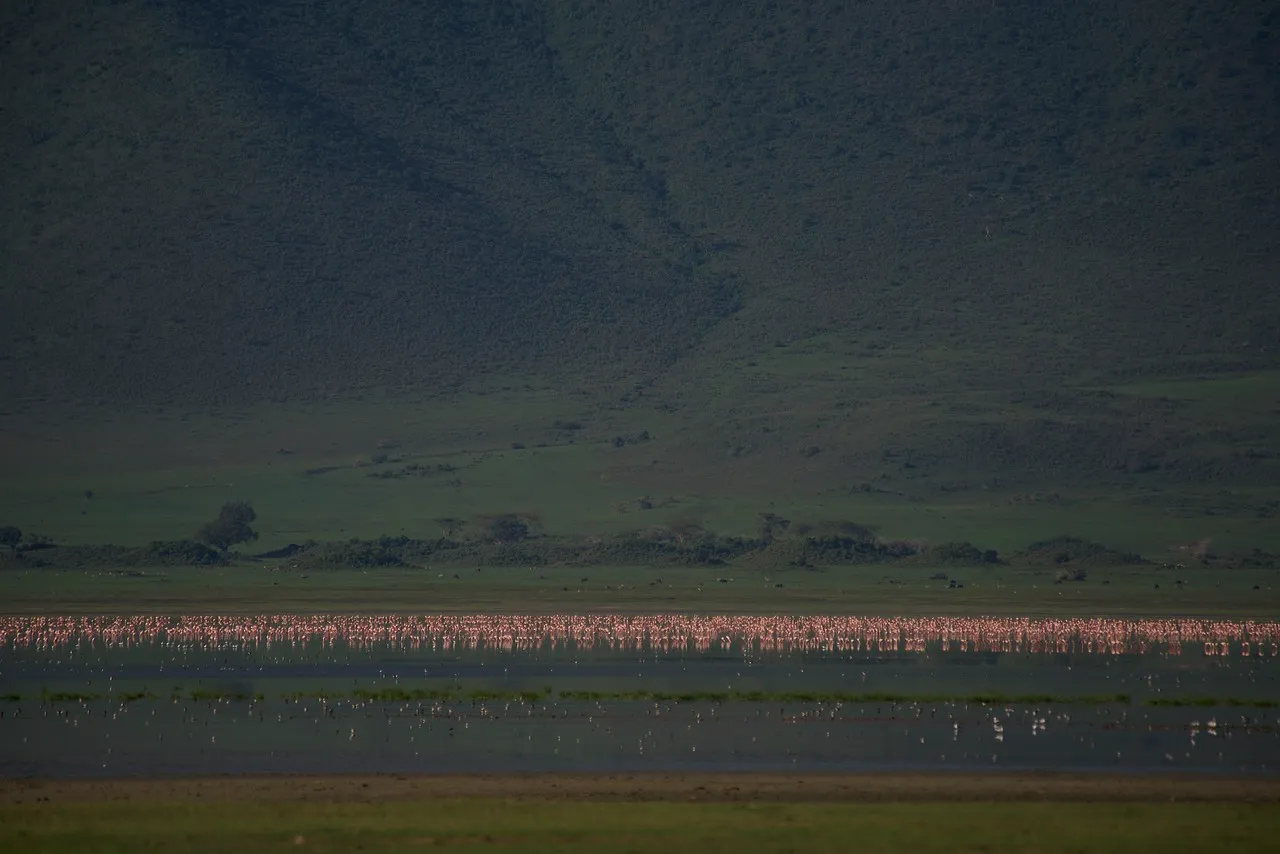
Envision gazing across the crater floor, where a tapestry of short grass plains, savanna woodlands, highland catchment forests, and freshwater sources unfolds before you. That, ladies and gentlemen, is the Ngorongoro Conservation Area for you, and we have the Munge and Oljoro Nyuki rivers and the alkaline Lake Magadi to thank for maintaining this vibrant ecosystem.
Within these habitats lies a rich wildlife variety. The Lerai Forest, for example, with its tall, narrow yellow-barked acacias, provides a habitat for elephants and the endangered black rhinoceros, while Lake Magadi, a shallow soda lake, attracts huge flocks of flamingos.
The Wildlife of Ngorongoro Conservation Area
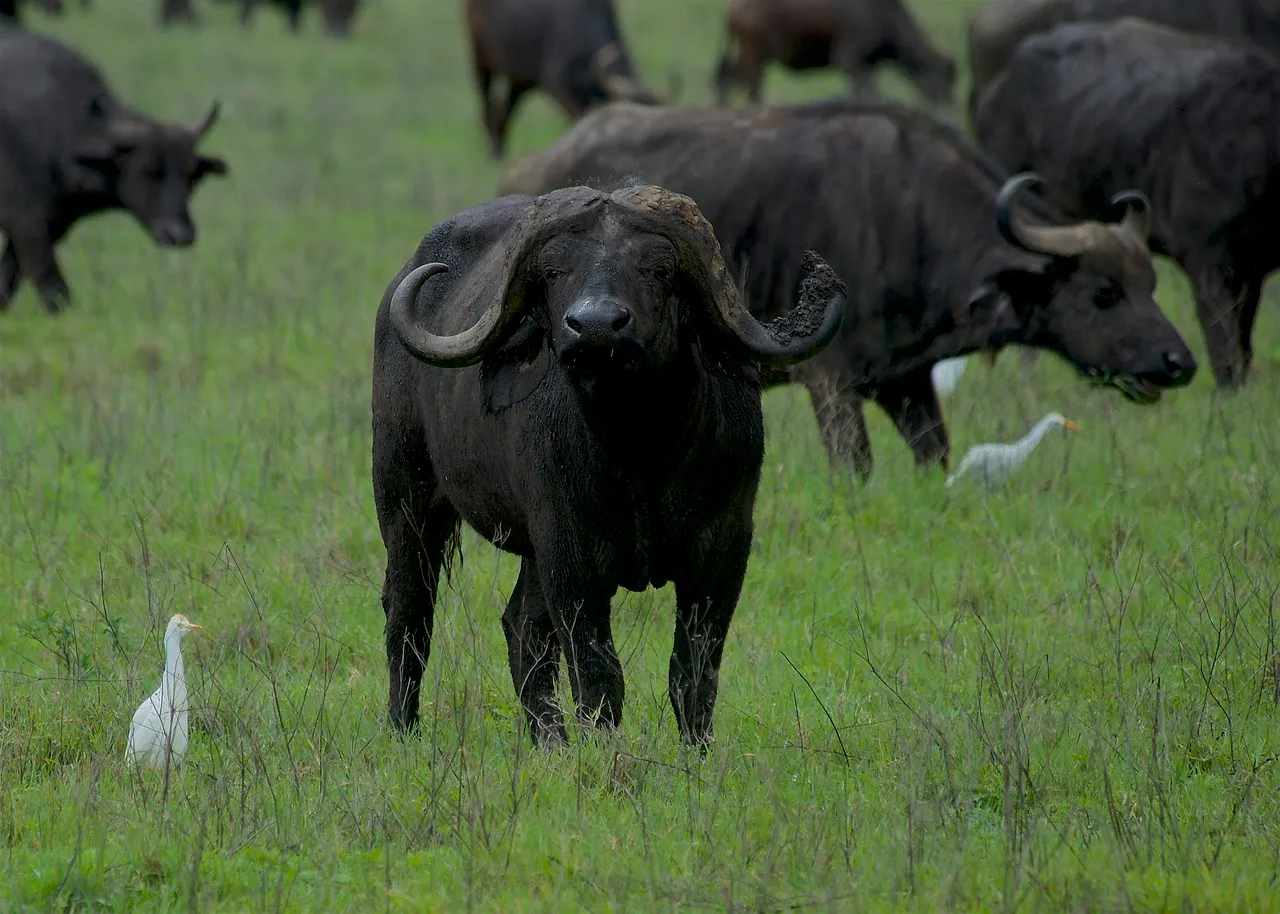
The Ngorongoro Crater serves as more than just an eloquent tribute to Earth’s geological history; it’s also a thriving sanctuary for diverse wildlife. Over 30,000 animals inhabit this 100 square-mile ecosystem, their lives facilitated by the lush grasslands nurtured by volcanic ash.
The crater is a sanctuary for a variety of species, including:
- the iconic Big 5 – lion, leopard, rhinoceros, elephant, and buffalo
- the endangered Black Rhino (the crater is one of the last remaining strongholds for these creatures)
- A significant population of African savannah elephants and other animals like wildebeests, zebras, gazelles, reedbucks, bushbucks, waterbucks, and so much more.
- Last but not least, the conservation area supports one of the world’s greatest natural wonders, the Great Wildebeest Migration. Of all the world’s spectacular animal migrations, this one is the largest, with over 5 million animals participating.
Predators’ Paradise
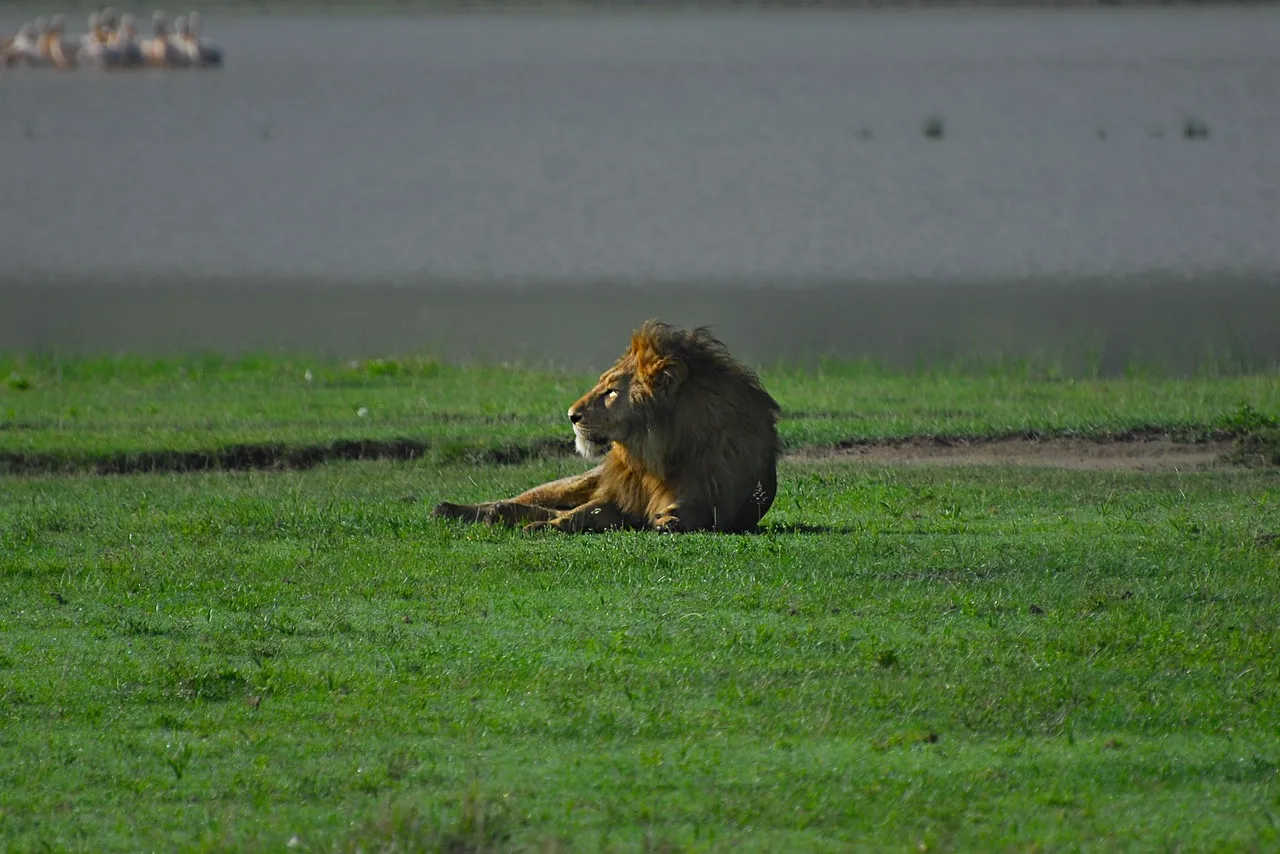
The Ngorongoro Crater serves as a haven for predators, its robust ecosystem nurturing a thriving community of the wild hunting dog, lion, cheetah, leopard, hyena, and jackal. Life, however, is not without challenges for the crater’s lions.
The naturally enclosed geography has led to the densest known population of lions, which, while fascinating to observe, also faces challenges due to limited genetic diversity and inbreeding.
Herbivores and the Annual Migration
Despite the allure of the Ngorongoro Crater’s predator population, the herbivores hold equal fascination, especially during the annual migration. Each year, within the Ngorongoro Conservation Area and the Serengeti National Park, an incredible spectacle unfolds as 1.7 million wildebeest, 260,000 zebra, and 470,000 gazelles undertake an epic journey in search of fresh pastures.
The crater floor’s grasslands are crucial feeding areas, especially for these herbivores, supporting the high-density population of grazers.
Human Evolution and Archaeological Significance
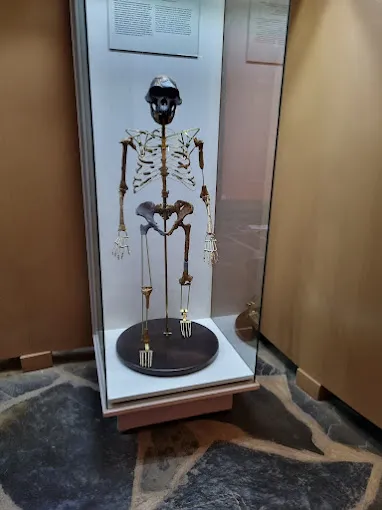
In addition to its natural splendor and wildlife, the Ngorongoro Conservation Area harbors physical evidence of human evolution. Olduvai Gorge, within the conservation area, has been instrumental in our understanding of human evolution. This archaeological site, backed by extensive archaeological research, has provided a substantial continuous record of human evolution and the human environment, with over 60 hominin fossils dating back 2 million years.
Hominin fossils, including Homo ergaster, Zinjanthropus boisei, and Homo habilis, have been discovered in Olduvai, offering invaluable insights into our ancestral lineage and human evolutionary development.
Early Hominid Footprints Dating Back Millions of Years
Among the significant discoveries in the Ngorongoro Conservation Area are the Laetoli footprints. Dating back approximately 3.66 million years, these footprints provide the earliest definitive evidence of bipedalism in hominins. These footprints are attributed to Australopithecus afarensis, and they reveal a form of bipedalism that, while different from that of modern humans and chimpanzees, marks an early stage in the evolution of upright walking. This crucial evidence related to our ancestors’ locomotion has greatly contributed to our understanding of human evolution.
Conservation Efforts and Challenges
The Ngorongoro Conservation Area exemplifies the intricate equilibrium between conservation and development. The Ngorongoro Conservation Area Authority, operating from the Ngorongoro Conservation Area Headquarters, is committed to maintaining the area’s biodiversity while promoting it as a premier tourism destination. However, this balance is not always easy to achieve.
Evolving lifestyles and human environment dynamics, along with restrictions on small-scale agriculture and traditional livestock grazing, pose challenges in addressing the needs of local pastoral communities while ensuring biodiversity conservation and the protection of globally threatened species.
Balancing Human Ecology and Wildlife Coexisting
The Ngorongoro Conservation Area is a living example of coexistence between humans and wildlife. The Maasai people, traditional pastoralists, continue to graze livestock on the grasslands surrounding the Ngorongoro Crater, living harmoniously with the wildlife. This coexistence, while presenting its own set of challenges, symbolizes the delicate balance between human ecology and wildlife conservation that is at the heart of the Ngorongoro Conservation Area’s mandate.
Experiencing the Crater: Safari Adventures and Accommodations
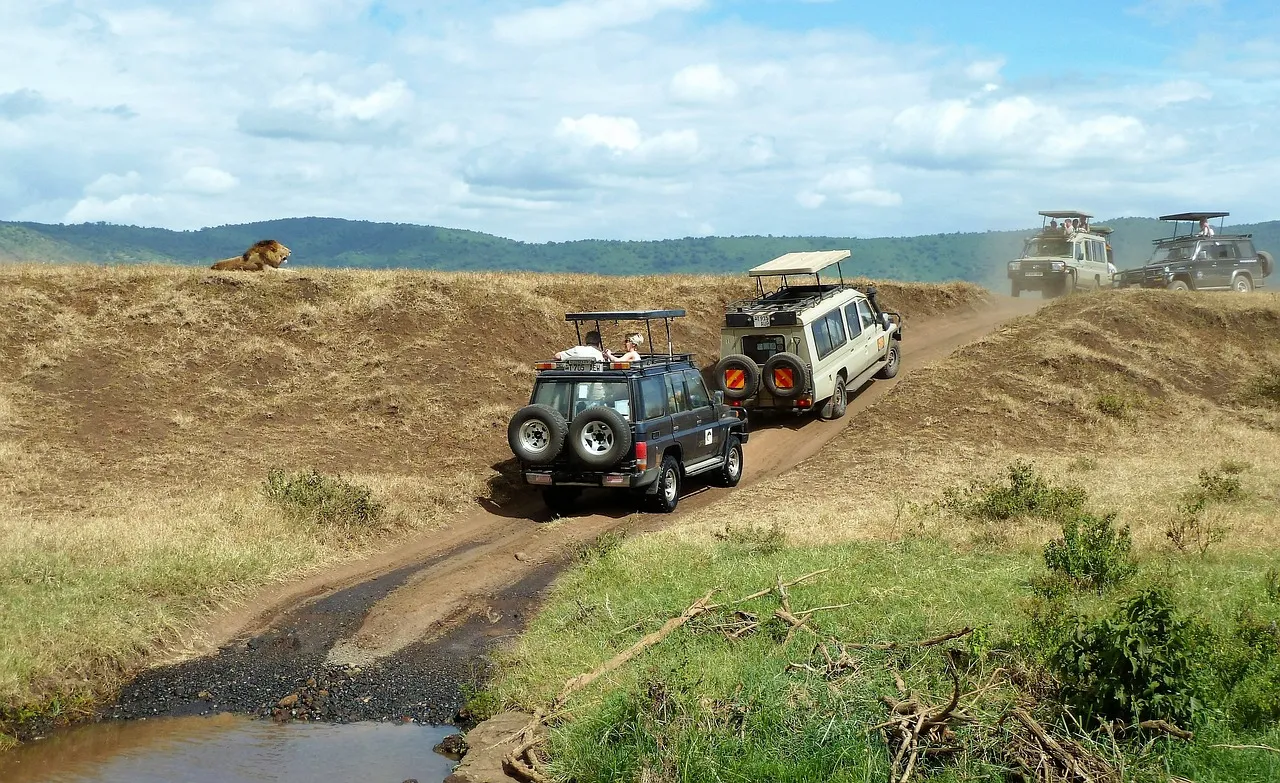
Embarking on a Ngorongoro Crater safari adventure is one of the premier ways to explore the Ngorongoro Crater. The safari vehicles, specially built 4×4 Land Cruisers and Land Rovers, are equipped to navigate the rugged terrain and harsh weather conditions of the crater. Each traveller is guaranteed a window seat, ensuring unobstructed views and ample legroom for comfort during game drives.
These vehicles also boast pop-top roofs or an open roof hatch, allowing clear and uninterrupted views of the wildlife and the breathtaking landscape.
Hot Air Balloon Safari and Other Activities
A hot air balloon ride presents an even more distinctive viewpoint of the Ngorongoro Crater. As you soar above the crater at dawn, you’ll gain an unparalleled aerial view of its vast expanses and the wildlife below.
Beyond hot air balloon safaris, the area offers guided walks with armed rangers and visits to Maasai villages, providing various experiences to suit every adventurer’s taste.
Beyond the Crater: The Ngorongoro Highlands and Surrounding Attractions
Venturing past the Ngorongoro Crater introduces you to tranquil highlands and hidden craters like Empakaai and Olmoti. Accessible through guided treks, these areas offer unique wildlife viewing opportunities away from the crowds, extending the Ngorongoro experience further.
The Ngorongoro highlands are also home to unique natural wonders such as the Shifting Sands dune and offer panoramic views of remarkable landmarks, including Ol Doinyo Lengai volcano and the distant Mount Kilimanjaro from the Empakaai Crater’s rim.
Visiting Ngorongoro: Practical Tips and Best Times
A visit to the Ngorongoro Conservation Area necessitates some advance planning. The best time to visit Ngorongoro is during the dry season, from June to October, when the weather is better, and there is little to no rainfall, although mornings and nights can be very cold.
Kilimanjaro International Airport is the most convenient entry point for visitors to Ngorongoro, with Arusha typically being the starting point for a two-hour drive-in safari to the crater. For the adventurous, self-drive safaris to Ngorongoro are possible, but a 4×4 vehicle is essential due to road conditions.
Summary
The Ngorongoro Crater (Tanzania), with its extraordinary geological features and rich biodiversity, is of huge global importance. From its vibrant wildlife and annual migrations to its role in understanding human evolution, it comes as no surprise that the crater has a spot on the coveted UNESCO World Heritage list. Whether you’re a wildlife enthusiast, a history buff, or an adventure-seeker, a journey to the Ngorongoro Crater promises an unforgettable experience.
Frequently Asked Questions
Next, we will discuss the most common questions we get about Ngorongoro crater.
What is special about Ngorongoro Crater?
The Ngorongoro Crater (Tanzania) is unique because it is the world’s biggest intact caldera with unbroken walls and has not filled up with water. This makes it a unique and remarkable natural feature.
In which country is Ngorongoro?
Ngorongoro is located in Northern Tanzania, and it is home to the largest intact caldera in the world. The area falls within the greater Serengeti ecosystem, known for its vast savannahs and abundant wildlife.
Is the Ngorongoro Crater in Kenya?
No, the Ngorongoro Crater is not in Kenya; it is located in northern Tanzania, near the border with Kenya.
How did animals get into Ngorongoro Crater?
Animals got into Ngorongoro Crater by descending into the crater and becoming trapped, leading to population growth within the crater.
What is the Ngorongoro Conservation Area Authority
The Ngorongoro Conservation Area Authority was established in 1959 after the Ngorongoro Conservation Area ordinance declared the area a multiple land use area. The aim of the authority is to promote the cultural and natural resources of the area to accelerate tourist-related developments.
What is the best time to visit the Ngorongoro Crater?
The best time to visit the Ngorongoro Crater is during the dry season, from June to October. This period offers clear skies and great wildlife viewing opportunities.
