Kenya National Parks & Reserves: Your Ultimate Safari Guide from India
The Kenya safari is a magnet for many travellers around the world, and increasingly for travellers from India. When planning your trip, it’s essential to understand the difference between Kenya’s national parks and national reserves, as well as which ones are best suited for your family or group.
As a travel consultant who has been crafting unforgettable journeys in this beautiful country for 10 years, I, Harrison, want to share my insights. Our goal is straightforward: to provide you with expert, trusted information to help you book the best Kenya tour packages from India. We’ll cover the nine must-visit destinations, everything from wildlife to entry fees. Before that, here is how you can reach our team to book the best Kenya safari tours.
How to Book Your Kenya Safari Tour
We are a team of professionals providing the best Kenya safari tour from India. You can book our top safaris by calling us or reaching us through WhatsApp at +254 704 532 105. We are also available via email at james@ajkenyasafaris.com or safarioffers@ajkenyasafaris.com.
Contact us today, and we will respond within 2 hours.
Masai Mara National Reserve – The Heart of the Great Migration
The Masai Mara National Reserve is the epicentre of any authentic Kenya wildlife safari. It’s located in the northern part of the Serengeti-Mara ecosystem, making it world famous for its high concentration of predators and the sheer spectacle of wildlife. If you want the ultimate African savanna experience with vast open plains and big skies, the Mara is your destination.
Location and Quick Access
Located in southwest Kenya, bordering Tanzania, the Mara is about 260 km from Nairobi. Most travellers opt for scheduled fly-in safaris from Wilson Airport (WIL) directly into one of the reserve’s many airstrips, like Keekorok or Mara Serena. While driving is possible, flying is recommended to make the most of your time viewing animals.
Big Five and the Migration Spectacle
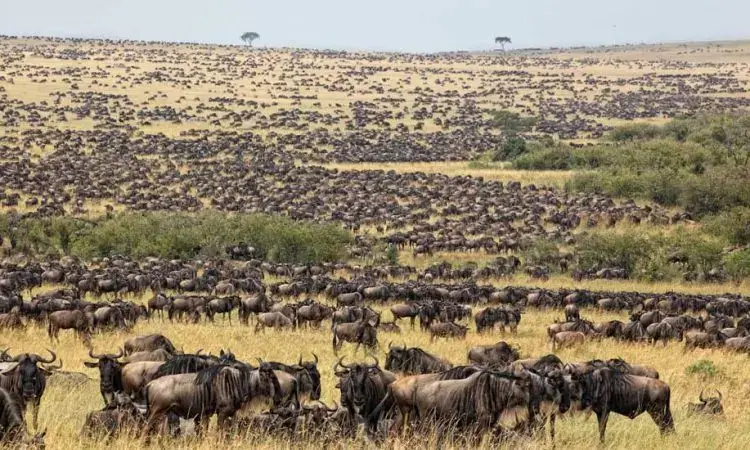
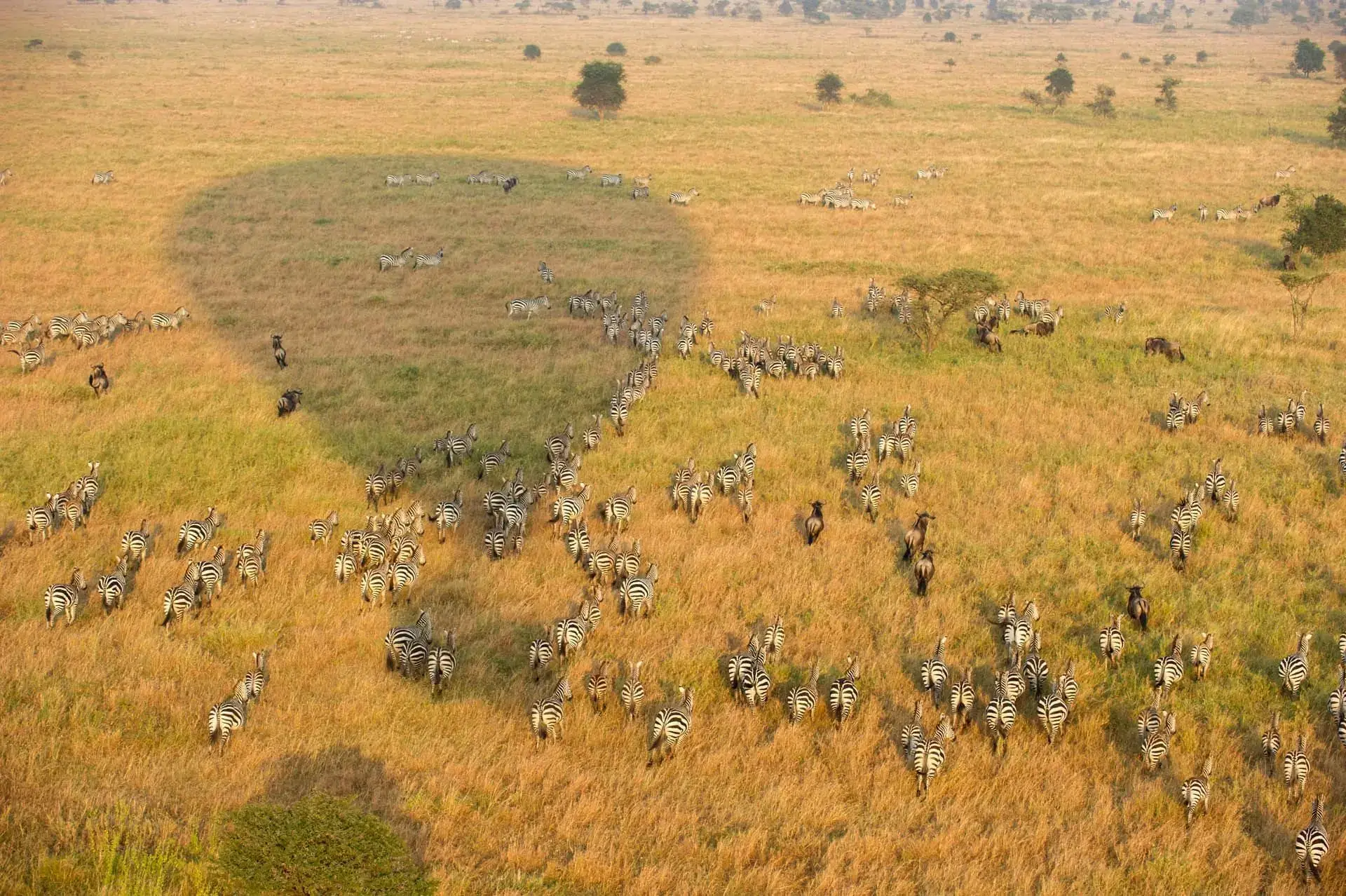
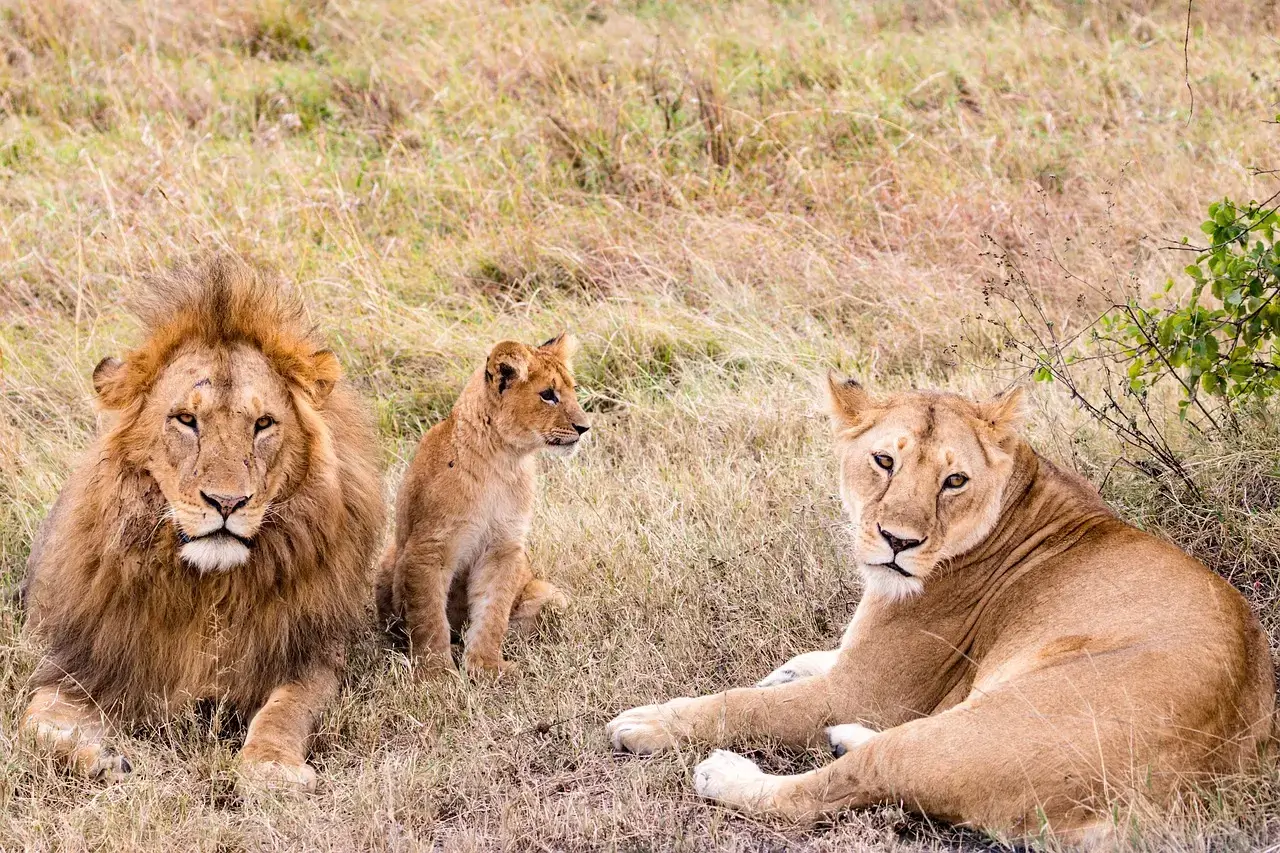
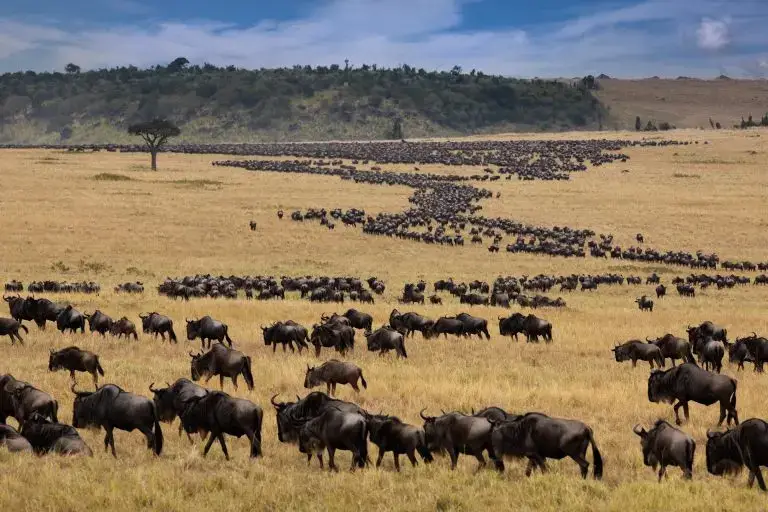
Mara is the best place in the world to guarantee Big Five sightings—lion, leopard, elephant, rhino and Cape buffalo. But its true fame lies in the large prides of lions and the annual Kenya Great Migration, where millions of wildebeest and zebra cross the Mara River.
Raptors and the Birds of the Plains
With over 500 species recorded, the birdlife here is fantastic. Bird enthusiasts will love the variety of raptors—African vultures and tawny eagles often seen circling the plains. Keep an eye out for ground birds like the Kori Bustard, the world’s largest flying bird and the lilac-breasted roller.
Peak Time for the River Crossing
The best time to visit Kenya from India is during the dry seasons; however, for the migration, aim for July to October. During this period, the herds are in the Mara and crossing the river. The “green season,” from March to May, features fewer crowds and lush scenery.
Unique Safari Activities
In this Kenyan national park, activities go beyond the usual game drive. Take a hot air balloon safari at dawn and see the plains from above, followed by a champagne breakfast. You can also visit a local Maasai village for a cultural experience.
Lodging: From Budget to Ultra-Luxury
Accommodation here ranges from public campsites to private, ultra-luxurious tented camps, some of which are located outside the central park in dedicated conservancies. Whether you are looking for a budget option or a high-end luxury safari lodge, Mara has it all.
Current Non-Resident Entry Fees (Estimate)
As a premium destination, the park entry fees for non-residents are higher, especially during the peak season from July to December. Fees range from USD 100 to USD 200 per adult per 24 hours, depending on the season and whether your camp is inside or outside the main reserve gates. Always check the current rates before booking your Kenya safari from India.
Highlights
The highlight is the sheer density of wildlife and the beautiful savanna landscape. It’s the “Wild Africa” you’ve seen in documentaries. It’s a must-visit for any safari lover.
Amboseli National Park – Land of Giants and Kilimanjaro Views
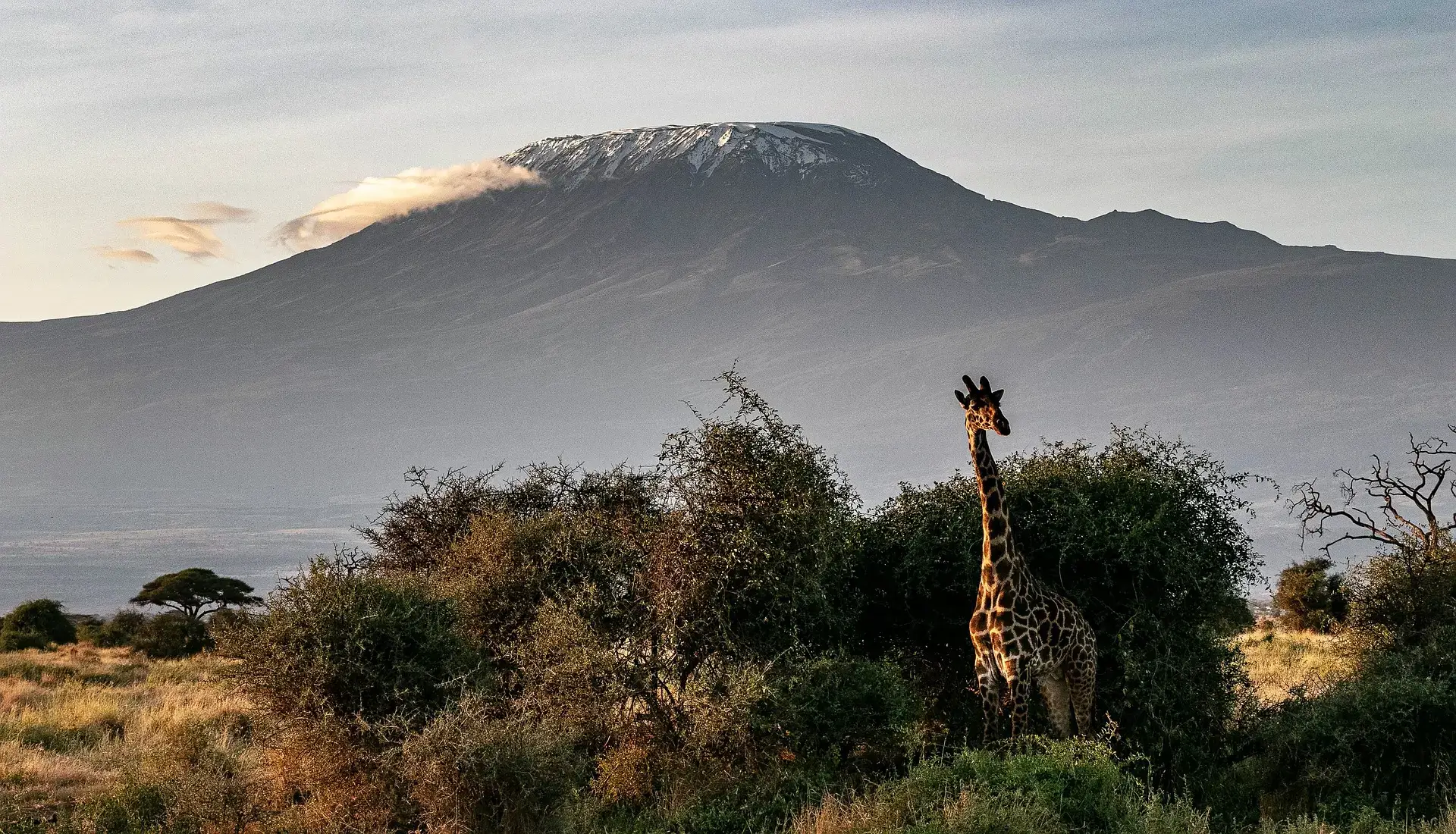
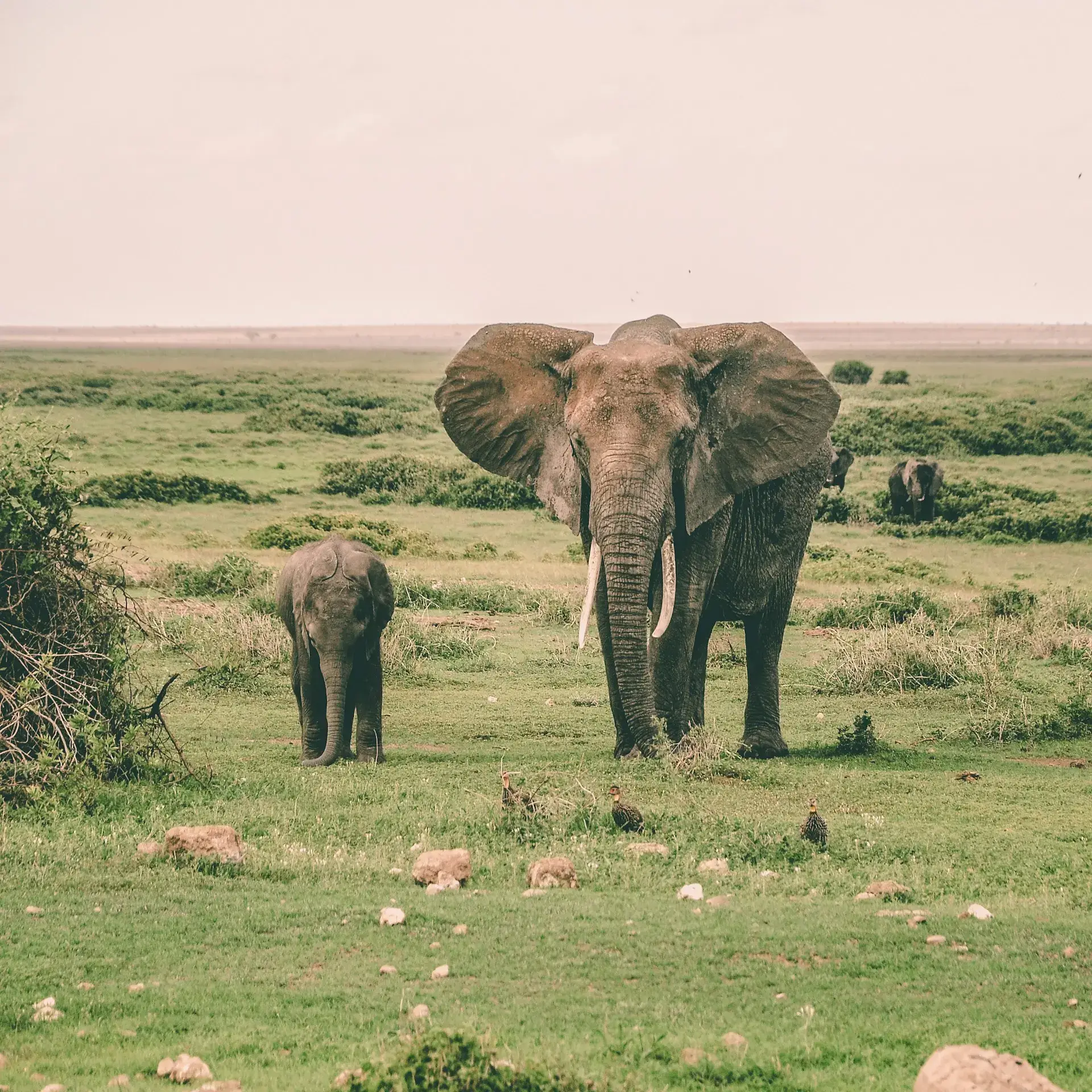
Amboseli is known as the “Land of Giants” due to its famous herds of big-tusked elephants. The park is a small Kenyan national park, but it packs a big punch, offering reliable and close-up elephant sightings against one of the most beautiful backdrops in the world. It’s great for photography.
Location and Access from Nairobi
Located in southern Kenya, Amboseli is about 240 km southeast of Nairobi. You can also fly into the park’s airstrip for a quicker arrival. Getting here is part of many classic Kenya safaris from India.
Iconic Elephant Herds and Big Game
This park is renowned for its large population of over 1,500 elephants, which are often seen wading in the swamps fed by Kilimanjaro’s meltwater. You can also see lions, cheetahs, giraffes, and various antelopes. It’s a must-stop for the Big Five.
Wetland Birds and Waterfowl
The wetlands and swamps are home to a diverse array of waterbirds. You’ll see pelicans, kingfishers and herons, and it’s a bird lover’s paradise. Look out for the raptors soaring above the arid landscapes.
Best Time for the Backdrop
For the best views of Amboseli National Park and Mount Kilimanjaro, the clearest months are January to March and June to October. The mountain is most visible at dawn and dusk.
Game Drives and Observation Hill
The main activity is a game drive across the plains to the swamps where the animals congregate. You can also climb Observation Hill for a 360-degree view of the whole park, including the swamps and the mountain.
Accommodation with a View
Accommodation is available in luxury lodges and tented camps, offering views of Mount Kilimanjaro from your balcony. Several mid-range and budget lodges are located just outside the park gates, offering options for every budget on a Kenya safari for an Indian family.
Current Non-Resident Entry Fees (Estimate)
Amboseli is a premium Kenyan national park, and the current non-resident entry fee is around USD 90 per adult per 24 hours. Given the scenery and wildlife, it’s an excellent value for money.
Key Features
The most surreal sight is the massive elephant herds silhouetted against the snow-capped peak of Mount Kilimanjaro, located across the border in Tanzania. Unforgettable.
Lake Nakuru National Park – The Rhino Sanctuary
Lake Nakuru is a fenced and protected Kenyan national park and a vital sanctuary for black and white rhinos. Historically famous for millions of flamingos, its conservation efforts for the endangered rhino species make it a must-stop on the safari circuit.
Location and Rift Valley Stopover
The park is located in the Great Rift Valley, only 160 km northwest of Nairobi. It’s a perfect stopover on a circuit that combines Mara and Samburu. Access is easy via a tarmac road.
Rhinos and Endangered Giraffe
You will almost certainly see both black and white rhinos, making it one of the most successful sanctuaries in the region. Other residents include lions, leopards, hippos, and the rare Rothschild’s giraffe, which is easily identifiable by its pale markings.
Pink and Waterfowl
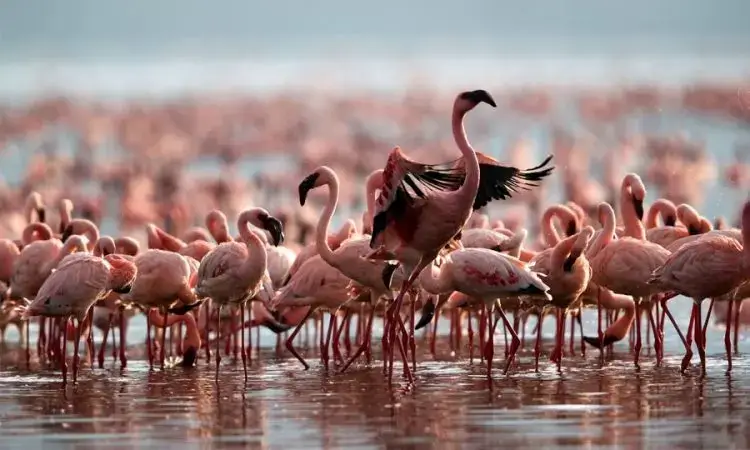
While the numbers have fluctuated due to water levels, the park still boasts huge concentrations of flamingos, pelicans, and cormorants. The pink shoreline is a sight you must try to capture.
Best Time to Visit
June to October and January to March are the dry seasons, making them ideal for wildlife viewing as animals congregate near the lake. If you are looking for flamingos, their presence is migratory and unpredictable, but the dry season usually yields good results.
Lake Shore Game Drives
The main activity is game viewing along the lake shore, followed by a drive to Baboon Cliff. From here, you get a stunning view of the entire lake, forest, and escarpment.
Lodges Inside and Outside the Gates
Inside the park, you will find several high-end lodges with great views of the lake. Outside the park, budget-friendly guesthouses and hotels are available in Nakuru town for all types of Kenya tour packages from India.
Current Non-Resident Entry Fees (Estimate)
Lake Nakuru is a premier national park in Kenya. Non-resident adult entry fee is approximately USD 60 per 24 hours. The fee reflects the excellent road network and top-class conservation management in the park.
What makes it unique
A fenced and successful rhino sanctuary with a beautiful soda lake that sometimes turns pink with millions of flamingoes is a one of a kind. It’s an easy and rewarding park to include in your Kenyan itinerary.
Hell’s Gate National Park – Walking Safari Park
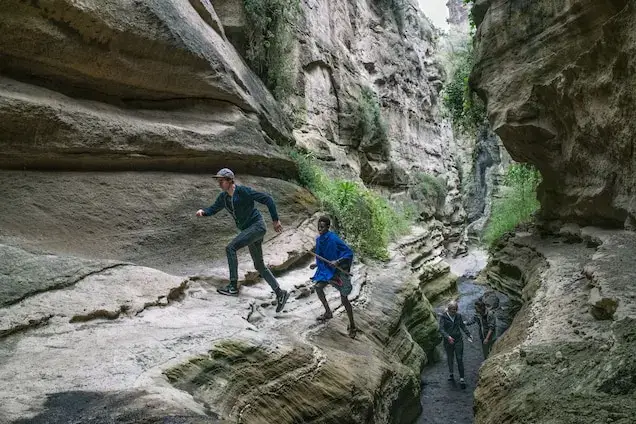
Hell’s Gate is the only Kenyan national park where you can walk or cycle among the wildlife. This geological wonder, named after a narrow break in the cliff face, has canyons and rock towers that were popularised by the movie The Lion King.
Location and Day Trip
Located near Lake Naivasha in the Great Rift Valley, Hell’s Gate is a day trip from Nairobi, only 90 km away. It’s easily accessible by road, so it’s a great option if you have limited time.
Wildlife for Active Exploration
No Big Five, but you will see many African buffalo, zebra, giraffe and baboons. Since you can be outside a vehicle, the wildlife experience is more personal than in other parks.
Raptor Nests on Towering Cliffs
The cliffs and canyons are nesting sites for various vultures, including the endangered Rüppell’s vulture and Verreaux’s eagles. The birdlife thrives on the geothermal activity in the area.
Best Time for Cycling and Hiking
The dry seasons, from January to March and June to October, are the best times for the physical activities the park is famous for. Avoid the long rains (March-May) when the gorge floors can be slippery and prone to flash floods.
Cycling, Hiking and Rock Climbing
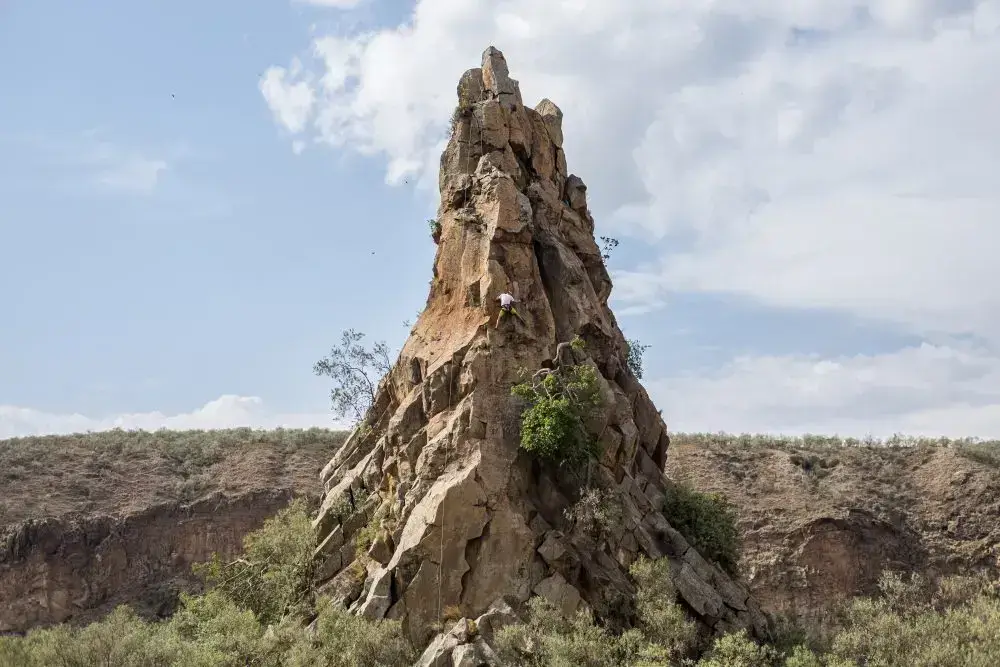
The main activities are cycling on the wildlife trails and hiking through the Ol Njorowa Gorge. Rock climbing on the Fischer’s Tower or the Central Tower is also an option.
Where to Stay near Lake Naivasha
There is a public campsite in the park, but most visitors stay in the numerous hotels, lodges, and resorts around Lake Naivasha. Naivasha has accommodation from budget to luxury safari lodges.
Non-Resident Entry Fees (Estimate)
Hell’s Gate is one of the most affordable national parks in Kenya, with a non-resident adult entry fee currently at USD 26 per 24 hours. This is a must include in any budget for a Kenya safari cost.
Defining Features
The geothermal landscape, hot springs, and towering cliffs, combined with the freedom to walk or cycle, offer a unique experience amidst wildlife. It’s an active safari experience.
Nairobi National Park – The World’s Only Wildlife Capital
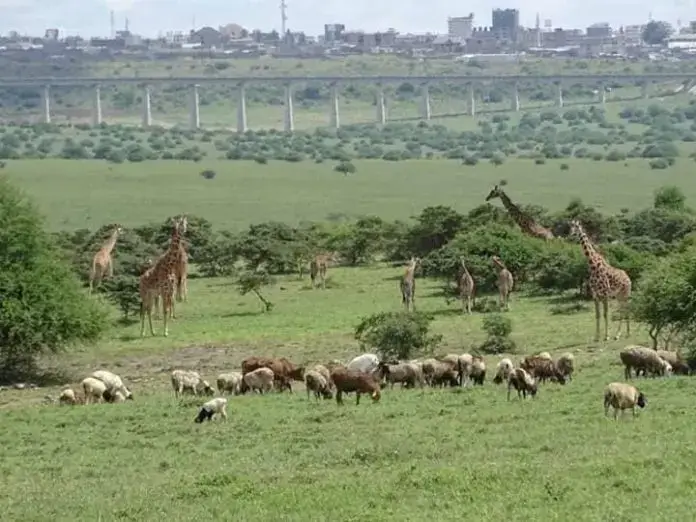
Nairobi National Park is unique – it’s the only protected area in the world where a significant free-roaming wildlife population is found right in the heart of a capital city. With Nairobi’s skyscrapers as the backdrop to grazing rhinos, this is a surreal photographic opportunity.
Location and City Access
7 km from Nairobi’s city centre and 10 minutes from Jomo Kenyatta International Airport (JKIA). Easy to get to for those arriving on direct flights from India to Nairobi.
Rhino Sanctuary with City Views
The Black Rhino Sanctuary is a good place to see the Big Five (rhino, lion, leopard, buffalo, and elephant—elephants are absent). You will see lion kills and large herds of zebra and giraffe just minutes from the airport.
Birders Paradise near the City
Despite being close to the city, the park is home to over 400 species of birds. Wetlands and dry savanna habitats attract a wide range of birds, including the endangered Egyptian Vulture and many seasonal migratory birds.
Best Time to See Wildlife
The dry seasons, from June to October, are the best for game viewing, as the grass is short and animals are easier to see. However, it’s open all year round, making it great for a quick safari fix whenever you are in the city.
Ivory Site and Sheldrick Trust
Besides morning and afternoon game drives, you can visit the Ivory Burning Site Monument and the adjacent David Sheldrick Wildlife Trust. The park is often bundled with a trip to the Giraffe Centre.
Accommodation: Tented Camps and City Hotels
There is one tented camp located inside the park, offering an authentic wilderness experience. The park is surrounded by numerous luxury hotels and lodges in the city, offering great views of the wildlife from your room.
Current Non-Resident Entry Fees (Estimate)
Non-resident adult entry fee is approximately USD 43 per 24 hours. Given its convenience and the quality of the wildlife viewing, this is a very affordable option for a quick safari before or after your more extended trip.
Key Features
The park’s unique selling point is its combination of wildlife and skyscrapers, hence the nickname “The World’s Only Wildlife Capital.” It’s part of the modern Kenya safari experience.
Aberdare National Park – The Misty High-Altitude Haven
Aberdare National Park is not a savanna, it’s misty, rolling moorlands, deep ravines and Afro-alpine vegetation. Located in the central highlands of Kenya, it’s known for its high altitude and unique forest species.
Location in the Central Highlands
The park is 150km north of Nairobi, in the central mountain range. Most visitors come by road from Nairobi, often as part of a Kenya tour that includes the Rift Valley and Mount Kenya region.
Forest Dwelling and Elusive Wildlife
You’ll find the Big Five here, but they are elusive due to the forest. Notable residents include the black leopard, bongo antelope and giant forest hog. The tree hotels are the best place to see animals at night.
High Altitude Bird Species
The forest and moorlands are ideal for high-altitude bird species. Look out for the African emerald cuckoo and various sunbirds. It’s a birder’s paradise for those seeking species found only at this high elevation.
Best Time for Clear Views and Hiking
The best time for easy viewing and hiking is January to February and June to September. The wet seasons can be misty and rainy, making them beautiful for photography, but they obscure views and make roads challenging.
Tree Hotel and Moorland Exploration
Game drives are combined with forest and moorland walks. A highlight is spending the night in one of the famous ’tree hotels’, where you can watch animals, especially elephants and rhinos, come to a floodlit waterhole.
Tree Hotels
The most famous are the tree hotels, Treetops and The Ark. These stilted lodges offer an experience where you can watch wildlife from your room or a viewing deck all night long.
Non-Resident Entry Fees (Estimate)
The park is a premium Kenyan national park. Non-resident adult entry fee is approximately $52 per 24 hours. The cost goes towards the conservation of the mountain ecosystem.
Highlights
Its unique feature is the high-altitude mountainous landscape, a refreshing change from the savanna and the tree hotels, where you wake up to a safari view right below your window.
Tsavo East & Tsavo West National Park – Kenya’s Largest and Most Diverse Wilderness
Together, Tsavo East & Tsavo West National Parks form one of the largest protected wilderness areas in Kenya, covering nearly 4% of the country. Tsavo East is flat and dry, known for its famous red elephants, while Tsavo West is characterised by its mountainous terrain and volcanic landscapes, accompanied by thick vegetation.
Location and Coast-to-Bush Access
Midway between Nairobi and Mombasa, the parks are easily accessible by road or train, especially from the coast. Perfect for a Kenya safari tour package that combines bush and beach travel (e.g., Diani).
Red Elephants and Mzima Springs
Tsavo has all the Big Five, but the red elephants of Tsavo East, which dust themselves in the park’s red soil, are iconic. Tsavo West is famous for the Mzima Springs, a critical water source that attracts hippo and crocodile.
Dry-Country Birding
Given the difference in topography between the two parks, you will find an incredible variety of birdlife. Tsavo East features dry-country species, while Tsavo West boasts a mix of forest and water birds, resulting in over 500 species.
Best Time to Go on Safari
The best time for game viewing is during the dry seasons, January to March and June to October. Animals in Tsavo East congregate near the few remaining water sources, making them easier to spot on the vast plains.
Lugard Falls and Underwater Viewing
In Tsavo East, a drive to the Aruba Dam and Lugard Falls is a must. In Tsavo West, you should visit the magical Mzima Springs, where you can view hippos and fish from an underwater glass-viewing chamber.
Hillside Lodges and Tented Camps
Tsavo offers a great mix of large, traditional safari lodges perched on hillsides (especially in Tsavo West) and classic tented camps, providing a genuine bush experience—accommodation for all budgets.
Current Non-Resident Entry Fees (Estimate)
Both Tsavo East and Tsavo West are classified as national parks in Kenya. The non-resident adult entry fee is approximately USD 52 per 24 hours for each park. Same for both sides of the reserve.
Defining Features
Tsavo East has an open, arid landscape and is home to the red-dusted elephants. Tsavo West has dramatic volcanic terrain and the life-giving waters of Mzima Springs.
Samburu National Reserve – Northern Kenya’s Arid Wilderness
Samburu National Reserve is a wild, rugged and semi-arid landscape in northern Kenya. It’s defined by the Ewaso Nyiro River, a lifeline that attracts wildlife from the surrounding dry country—a distinct safari experience.
Location in the Arid North
North of the central highlands, access is mainly by scheduled flights from Nairobi to the Samburu airstrip. Flying is highly recommended over the long, dusty drive—part of a Kenya tour package focusing on unique wildlife.
The Samburu Special Five
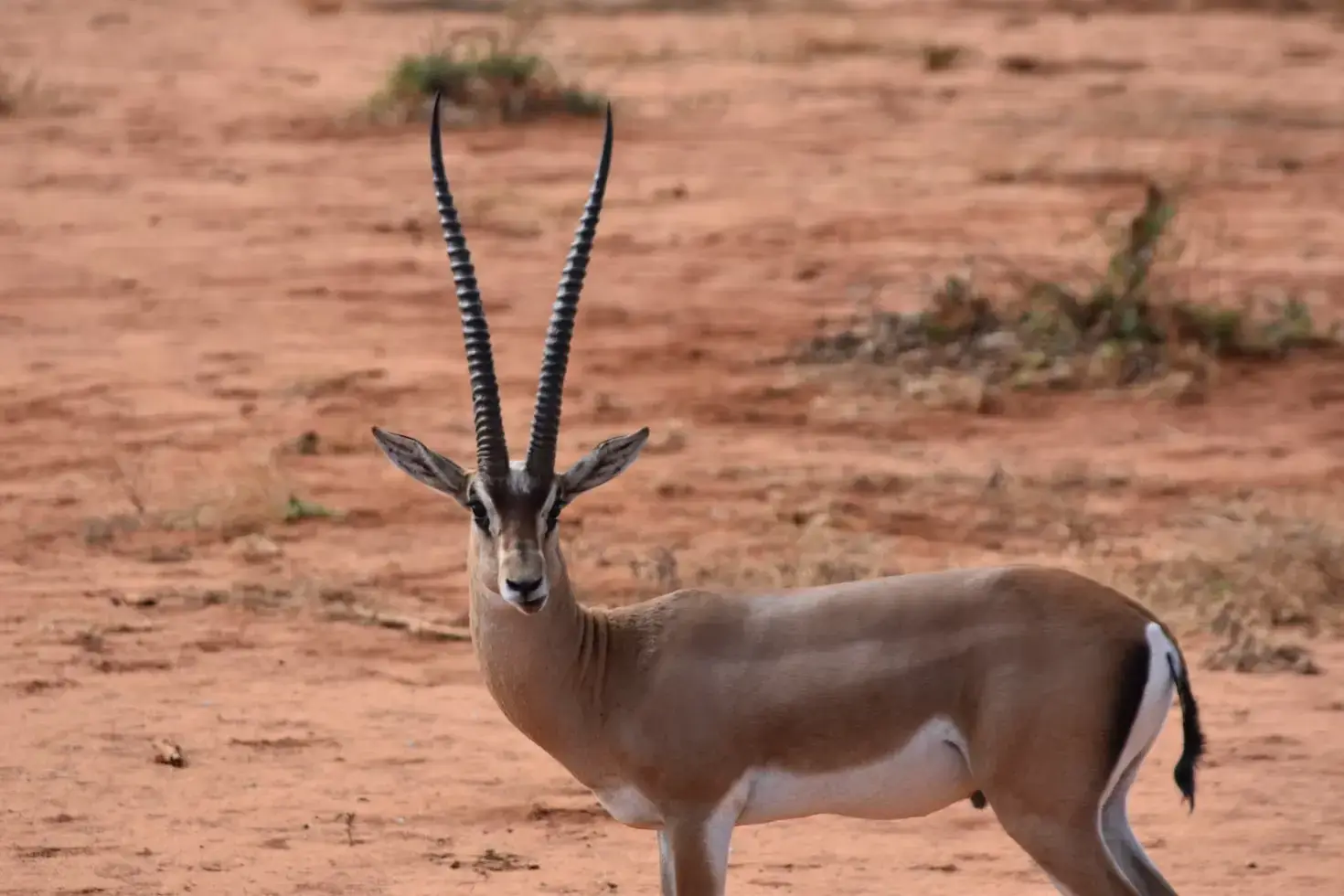
This reserve is famous for the ‘Samburu Special Five’: Grevy’s zebra, reticulated giraffe, Beisa oryx, Somali ostrich and the long-necked gerenuk. These species are found only in this northern region and nowhere else.
Riverine Forest Birding Hotspot
The riverine forests along the Ewaso Nyiro are a birding heaven. You can see the vulturine guineafowl, weavers and even the African finfoot. The concentration of species is impressive, especially during the dry season.
Best Time to See the Riverine Lifeline
The dry seasons, from January to March and July to October, are the best times, as the Ewaso Nyiro River is the only reliable water source. The wildlife density along the riverbanks at this time is incredible.
Night Drives and Cultural Visits
In addition to day game drives, Samburu is one of Kenya’s national reserves that allows night game drives and guided bush walks, offering a different perspective on the animals. You can also visit a Samburu village for a cultural exchange.
Accommodation along the Ewaso Nyiro River
Accommodation ranges from excellent semi-permanent tented camps along the river to luxury lodges built into the natural environment. Staying near the river guarantees good wildlife sightings right from your camp.
Current Non-Resident Entry Fees (Estimate)
Samburu is a Kenyan national reserve; the non-resident adult entry fee is approximately USD 90 per 24 hours. This fee goes to the local community and conservation efforts in this critical northern ecosystem.
Defining Features
The defining feature is the dramatic landscape of rocky outcrops and dry scrub, and its unique species—the ‘Special Five’—found nowhere else in the country. It’s a perfect destination for those who have done the southern circuit.
Ol Pejeta Conservancy – East Africa’s Leading Black Rhino Sanctuary
Ol Pejeta Conservancy is a non-profit wildlife sanctuary and one of the most respected Kenya national reserves (though privately owned and managed). It has the largest population of black rhinos in East Africa and is committed to community development.
On the Equator
Located on the equator in Laikipia County, it’s easily accessible by road from Nairobi (about 200 km). You can also fly into the nearby Nanyuki airstrip. Ol Pejeta is a must-stop on the northern safari circuit.
Last Northern White Rhinos and Big Five
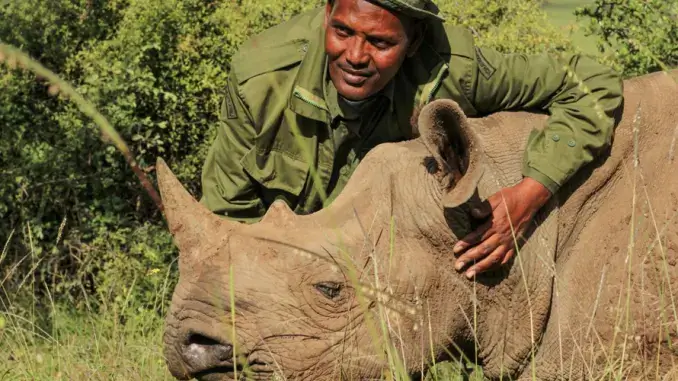
Ol Pejeta is sadly home to the last two northern white rhinos in the world, guarded 24/7 by armed rangers. It’s also home to the entire Big Five, so it’s excellent for guaranteed sightings.
Diverse Habitat Birding
With its riverine forests, open plains, and swamps, the conservancy boasts a high bird diversity. The area is famous for bustards and the rare Jackson’s Widowbird.
Best Time to Visit Conservation
Game viewing is excellent year-round, thanks to the fence and high animal density. January to March and June to October are the clearest months to see Mount Kenya.
Chimpanzees and Rhino Tracking
Unique activities here are tracking lions with researchers, visiting the Sweetwaters Chimpanzee Sanctuary, and meeting the last northern white rhinos (subject to availability). This is an interactive conservation experience.
Luxury Tented Camps and Lodges
Accommodation is top-notch, featuring luxury tented camps and lodges, such as Sweetwaters Tented Camp, which offers excellent views of a floodlit waterhole. The lodges provide great value for your Kenya safari cost.
Non-Resident Entry Fees (Estimate)
As a private conservancy, the non-resident adult entry fee is approximately $110 per 24 hours. The cost is higher than in national parks because it’s essential for funding the high-security conservation and anti-poaching operations.
Key Features
Its most significant selling point is being a conservation hub, home to the last northern white rhinos and the only chimpanzee sanctuary in Kenya. You will have a safari with a conscience.
Less Visited Kenya National Parks & Reserves
Mount Kenya National Park, Meru National Park, Chyulu Hills National Park, Mount Longonot National Park, Kora National Park, Ruma National Park, Saiwa Swamp National Park, Sibiloi National Park, Marsabit National Park, Mount Elgon National Park, Ol Donyo Sabuk National Park, Central Island National Park, Ndere Island National Park, Malka Mari National Park, Arabuko Sokoke Forest Reserve, Buffalo Springs National Reserve, Shaba National Reserve, Lake Bogoria National Reserve, Kakamega Forest National Reserve, Shimba Hills National Reserve, Lake Baringo National Reserve, Arawale National Reserve, Bisanadi National Reserve, Boni National Reserve, Dodori National Reserve, Kerio Valley National Reserve, Losai National Reserve, Mwea National Reserve, Mwingi National Reserve, Nasolot National Reserve, Ngai Ndethya National Reserve, Rahole National Reserve, South Kitui National Reserve, South Turkana Reserve, Tana River Primate Reserve, Kisite Mpunguti Marine Park & Reserve, Malindi Marine National Park, Mombasa Marine National Park & Reserve, Watamu Marine National Park & Reserve, Kiunga Marine Reserve.
Book Your Dream Kenya Safari
Kenya has diverse ecosystems—from the famous plains of the Masai Mara National Reserve to the conservation-focused Ol Pejeta Conservancy. Whether you are on a budget Kenya safari for an Indian family or looking for a luxury safari lodge experience, these Kenya national parks and Kenya national reserves have something for you.
When planning your trip, remember to secure your Kenya e-visa for Indian citizens well in advance, check the current Yellow Fever vaccination requirements, and confirm the park entry fees, as they are subject to change. Choose a trusted tour operator that specialises in Kenya safari packages from India, and you will have a seamless, authentic, and unforgettable trip. This helps you feel confident to explore my home country.
Demerits of Kenya National Parks and Reserves
Kenya’s national parks and reserves present several challenges, primarily for the local community. The parks and reserves led to land alienation and the displacement of people living around the area. Many people end up losing their ancestral lands, predominantly used for agriculture and grazing. The community around these areas also ends up losing their resources, such as water and firewood.
Another problem that arises is the conflict between humans and wildlife. The wildlife and human populations grow over the year, resulting in a shrinking of resources. Wildlife end up destroying people’s crops or livestock, and even killing or injuring people. There was a case like this in the Masai Mara in 2023.
The other main problem of these parks and reserves is the increasing entry fee, which is not being utilised in the right way. For example, there is a proposal to increase all KWS-managed entry fees in 2026. Despite this, most of this money is not returned to the community or used to improve the management of parks and reserves. Masai Mara introduced a bed rate per night in 2023 at USD 80 per person per night, but it is only charged by some camps/lodges; others claim they cannot collect it because they don’t know how it benefits the community.
Harrison K. Irura – Profile – Travel Consultant & Safari Expert
Harrison K. Irura is a travel consultant at AjKenyaSafaris.com with over 10 years of experience in creating custom African safaris. He has a degree in Human Resource Management from a Kenyan University.
He has personally travelled to most of Kenya’s top destinations including Amboseli, Masai Mara, Lake Nakuru, Samburu, Ol Pejeta, Tsavo and Diani beaches. As a member of the Kenya Association of Travel Agents (KATA), Harrison is committed to promoting responsible, sustainable and unforgettable tourism in Kenya. His goal is to provide travellers with human-centric advice that turns a dream safari into a reality.
Unique Experiences in Kenya National Parks & Reserves
Beyond wildlife watching, Kenya’s national parks offer a plethora of unique experiences that allow you to immerse yourself in the natural beauty and vibrant cultures of this amazing country. From bird watching and adventure activities to cultural encounters with local tribes, these unique experiences offer a deeper understanding of Kenya’s rich heritage and diverse ecosystems.
Whether you’re a bird lover, an adrenaline junkie, or a culture enthusiast, there’s something for everyone visiting Kenya. Let’s now delve into some of the distinctive experiences that await you on your Kenyan adventure.
Bird Watching in Lake Nakuru National Park
Lake Nakuru National Park is a bird lover’s paradise. Known for its large population of flamingos, the park offers a spectacular sight that is truly a feast for the eyes. The sight of thousands of flamingos lining the shores of Lake Nakuru, their pink feathers contrasted against the blue waters, is an image you won’t forget.
But the flamingos are just the beginning. The park is home to over 400 bird species, making it a bird watcher’s dream come true. Some of the bird species you can spot in the park include:
- Pelicans
- Herons
- Eagles
- Kingfishers
The park offers endless bird-watching opportunities that will leave you in awe of nature’s beauty.
Adventure Activities in Hell’s Gate National Park
For those seeking a more adrenaline-fueled adventure, Hell’s Gate National Park offers a range of activities that will get your heart racing. From rock climbing and hiking to cycling, the park offers a thrilling adventure set in a stunning landscape.
The park’s unique geological features, including towering cliffs and deep gorges, provide an exciting playground for adventure enthusiasts in the Great Rift Valley. Whether you’re scaling the cliffs, exploring the gorges, or cycling through the wild landscapes, Hell’s Gate National Park offers a thrilling adventure that is sure to get your adrenaline pumping.
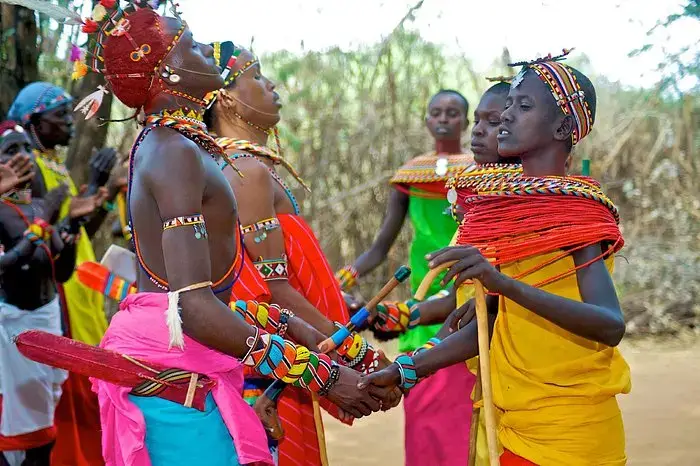
Beyond its wildlife and natural beauty, Kenya offers a rich cultural tapestry that adds to its allure. In the Samburu National Reserve, you can experience this cultural richness firsthand. The reserve is home to the Samburu people, a tribe known for their vibrant culture and traditional customs.
Visiting the Samburu National Reserve offers a unique opportunity to engage with the Samburu people and learn about their traditional way of life. From watching traditional dances and music performances to participating in beadwork demonstrations, these cultural encounters offer a deeper understanding of Kenya’s rich cultural heritage.
Conservation Efforts in Kenya’s National Parks
While Kenya’s national parks’ beauty is undeniable, the continuous conservation work that safeguards these natural jewels cannot be overlooked. These initiatives are crucial in protecting Kenya’s natural habitats, ensuring that future generations can also enjoy these magnificent landscapes and the diverse wildlife they support.
From rhino conservation in Nairobi National Park to elephant conservation in Amboseli National Park, these efforts reflect Kenya’s commitment to preserving its rich biodiversity. These initiatives not only protect wildlife but also contribute to sustainable tourism, ensuring that the benefits of tourism are shared with local communities and support conservation efforts.
Rhino Conservation in Nairobi National Park
Nairobi National Park, located just outside the bustling city of Nairobi, is home to a significant population of black rhinos. Recognizing the need to protect this endangered species, the park has implemented a comprehensive rhino conservation program that aims to safeguard and increase the population of black rhinos.
These efforts, undertaken by organizations such as the Kenya Wildlife Service and the Sheldrick Wildlife Trust, have proven successful, with the black rhino population in Nairobi National Park significantly increasing over the years. These achievements reflect the power of concerted conservation efforts and the important role they play in preserving Kenya’s natural heritage.
Elephant Conservation in Amboseli National Park
In Amboseli National Park, the focus of conservation efforts is on the park’s large elephant population. The park is home to one of the largest populations of elephants in Kenya, and the Amboseli Trust for Elephants has been hard at work, conducting research and implementing initiatives to protect these magnificent creatures.
These efforts go beyond mere protection. They also involve:
- Studying the elephants’ behavior and movements to gain insights that can aid in their conservation
- Understanding how elephants use their habitat and interact with their environment
- Implementing strategies that help safeguard the elephants and their habitat, ensuring their survival for generations to come.
Practical Information for Visiting Kenya’s National Parks
Planning a safari adventure in Kenya can seem daunting, but with the right information, it can be a breeze. From visa requirements and health precautions to packing tips, we’ve got you covered. Let’s now consider some practical details that will simplify your trip planning to Kenya’s national parks.
Remember, a well-planned trip can enhance your safari experience, allowing you to focus on enjoying the breathtaking landscapes and thrilling wildlife encounters that Kenya’s national parks have to offer. Let’s now delve into some useful tips for planning your Kenyan adventure.
Visa Requirements
Before you embark on your adventure in Kenya, it’s important to make sure that you have the necessary travel documents and book your flight tickets in advance. Most visitors to Kenya will need a visa, which can easily be obtained online or on arrival. The process is straightforward, and the visa fee is affordable, making it easy for travelers to plan their trip.
Children under the age of 16 traveling with their parents do not require a visa to enter Kenya. However, it’s always a good idea to check the latest visa requirements before you travel, as regulations can change.
Health Precautions
When it comes to health precautions, it’s essential to be prepared before you travel to Kenya. This includes:
- Getting the necessary vaccinations
- Taking precautions against malaria
- Practicing safe food and water habits to prevent any health issues during your trip.
Remember, prevention is better than cure. By taking these precautions, you can ensure that your safari adventure is not marred by health issues. So, make sure to consult your doctor before your trip and follow their advice on vaccinations and other health precautions.
Packing Tips
Packing for a safari in Kenya’s national parks requires some careful planning. Given the diverse weather conditions and activities, it’s important to pack the right clothing and gear to ensure that you are comfortable during your trip.
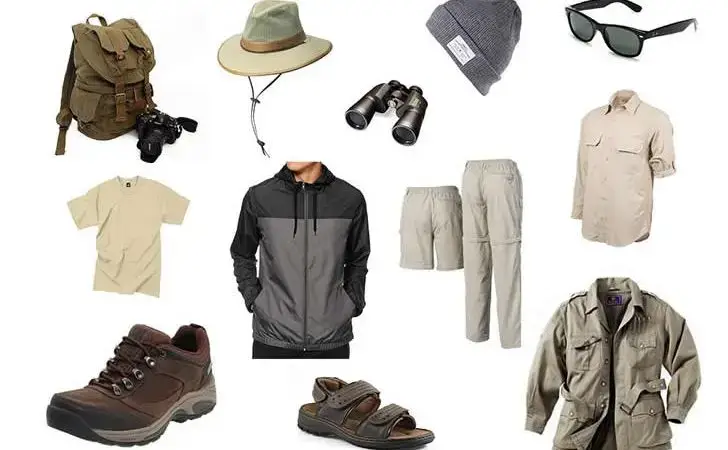
In terms of clothing, opt for lightweight, breathable fabrics in neutral colors that blend with the environment. Don’t forget to pack:
- A good pair of safari boots
- A wide-brimmed hat for sun protection
- A good pair of binoculars
- A camera
Remember, the key is to pack light but smart. Make sure you have everything you need for your safari adventure and make the most of those cheap flights by choosing the shortest distance possible.
Kenya National Parks – Summary
Kenya’s national parks offer an adventure that is both thrilling and enlightening. From witnessing the Great Migration in the Maasai Mara to rock climbing in Hell’s Gate, every moment spent in these parks is a celebration of nature’s grandeur. As you embark on this journey, remember that each safari not only brings you face to face with Africa’s iconic wildlife but also offers a glimpse into the conservation efforts that protect these magnificent creatures. So, pack your binoculars, lace up your safari boots, and get ready to embark on an unforgettable adventure in Kenya’s national parks!
Frequently Asked Questions
Next, we look at the most frequently asked questions about the best National parks in Kenya.
What is the most famous park in Kenya?
The most famous park in Kenya is Maasai Mara National Park, which is located in the Southwestern region and about 180 kilometers away from Nairobi.
How many national parks are there in Kenya?
There are 23 National Parks, 4 National Marine Parks, and 28 National Reserves in Kenya, offering a diverse range of protected areas for travelers.
Why is Nairobi National Park famous?
Nairobi National Park is famous for being one of the only national parks on earth bordering a capital city, where abundant wildlife can be viewed against a backdrop of city skyscrapers and planes coming in to land, making it a unique and accessible experience for visitors. Additionally, it is known as one of Kenya’s most successful rhinoceros sanctuaries, offering the rare opportunity to see black rhinoceros in their natural habitat.
What is the largest National Park in Kenya?
The largest National Park in Kenya is Tsavo, covering an impressive 22,000 km2.
Which is the biggest waterpark in Kenya?
The biggest waterpark in Kenya is Wild Waters Waterpark located in Mombasa. It offers a variety of water adventures and amusement rides.