
The Best Time to Visit Tanzania: Your Ultimate Seasonal Guide to Unforgettable Safaris and Adventures!
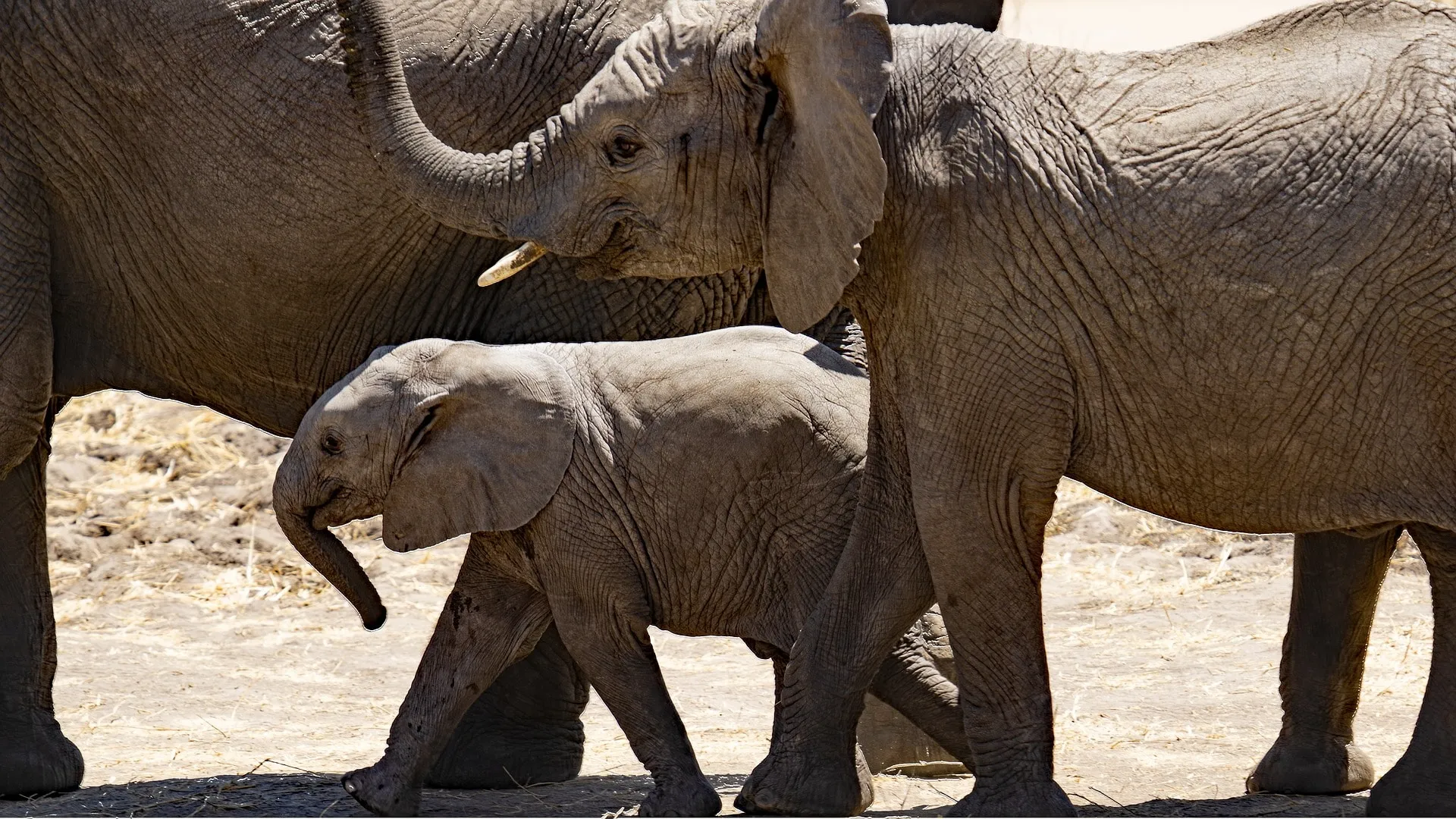
The best time to visit Tanzania is during the dry season, from June to October, when wildlife viewing reaches its peak across iconic destinations like the Serengeti and Ngorongoro.
For those eager to witness the spectacular season of calving, January to February is the perfect window.
If you’re drawn to lush green landscapes and a more serene experience, April to May offers vibrant scenery and fewer travelers, along with excellent rates for budget travelers.
Each season in Tanzania brings its own unique charm, tailored to different interests. For expert insights and personalized safari planning, rely on AJKenyaSafaris.com to guide you in choosing the ideal time for your Tanzanian adventure.
Executive Summary
- Catch the Peak of Wildlife Action! Visit Tanzania from June to October for the dry season and witness the awe-inspiring Great Migration in full swing.
- Experience Unique Safari Moments! Time your visit during the calving season (January to February) for incredible wildlife interactions or explore the vibrant green landscapes of April to May for a lush and tranquil adventure.
- Discover Year-Round Highlights! Northern Tanzania’s parks are perfect for thrilling safaris, while Zanzibar offers idyllic beach escapes during the dry season.
- Travel Smart and Save! Opt for the low season in April and May to enjoy excellent rates and fewer travelers, making for a serene and budget-friendly safari experience in Tanzania’s popular parks.
Book Your Tanzania Tour With Us: Our Contact Details
To explore the top Tanzania tour packages available, feel free to reach out to us by phone or WhatsApp at +254-704-532-105. You can also get in touch via our official email addresses: safarioffers@kenyaluxurysafari.co.uk, safarioffers@ajkenyasafaris.com, or james@ajkenyasafaris.com. Our experienced senior consultant, James Gatheru, is ready to assist in customizing a safari package that perfectly suits your needs.
The Best Time to Visit Tanzania: A Seasonal Guide
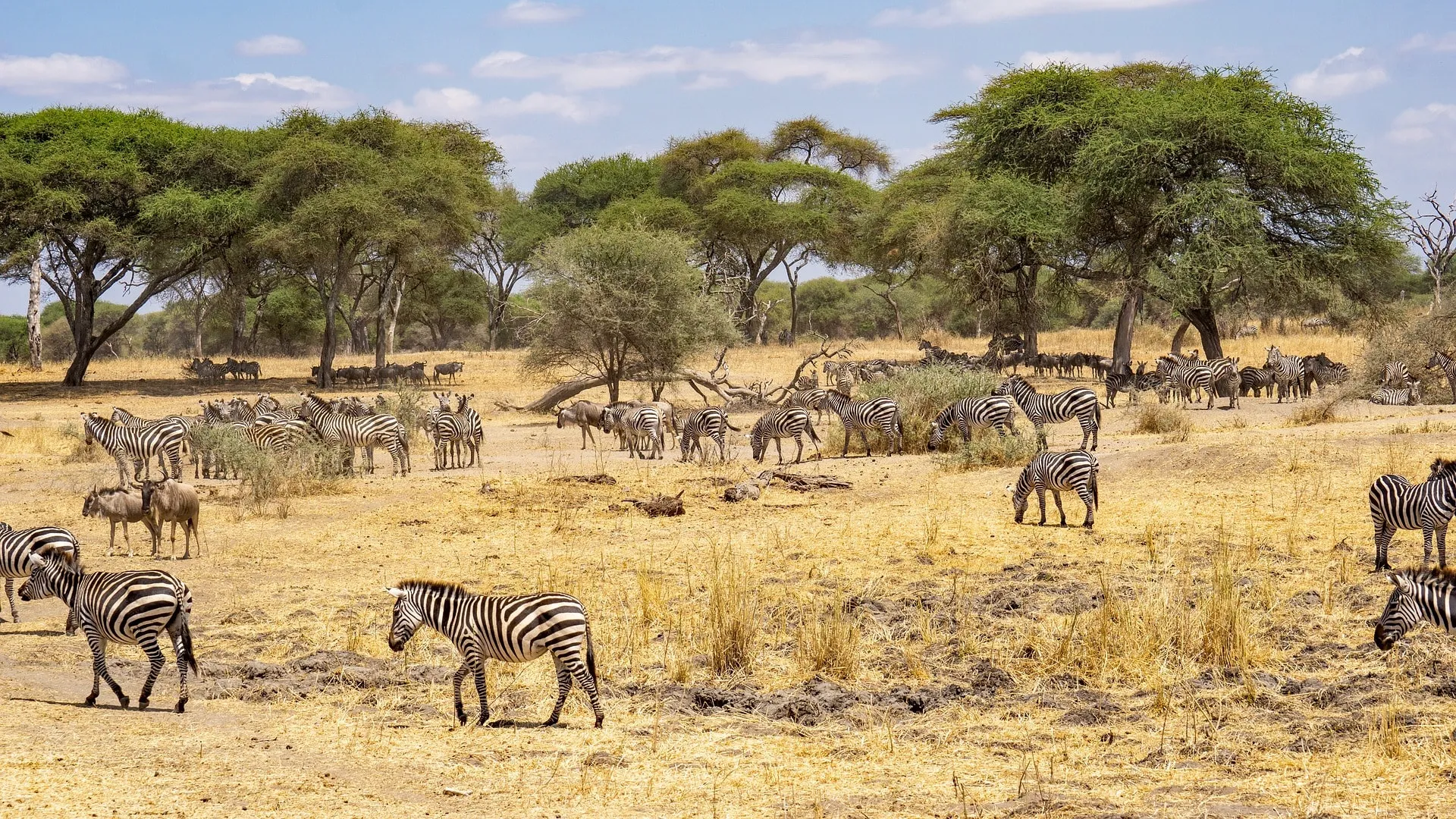
When planning a trip to Tanzania timing is everything. The dry season runs from June to October. It is considered the best time to go to Tanzania for exceptional wildlife viewing experiences.
There are also fewer mosquitoes during this time and humidity levels are lower. During these months, the Serengeti National Park comes alive with the Great Migration, and the clear skies and minimal rainfall make it easier to spot wildlife.
However, Tanzania’s vast and varied geography means that each region has its own unique attractions throughout the year.
Understanding the seasonal changes and their impact on travel plans allows you to tailor your itinerary for the best experience.
Optimal Seasons for Visiting Tanzania
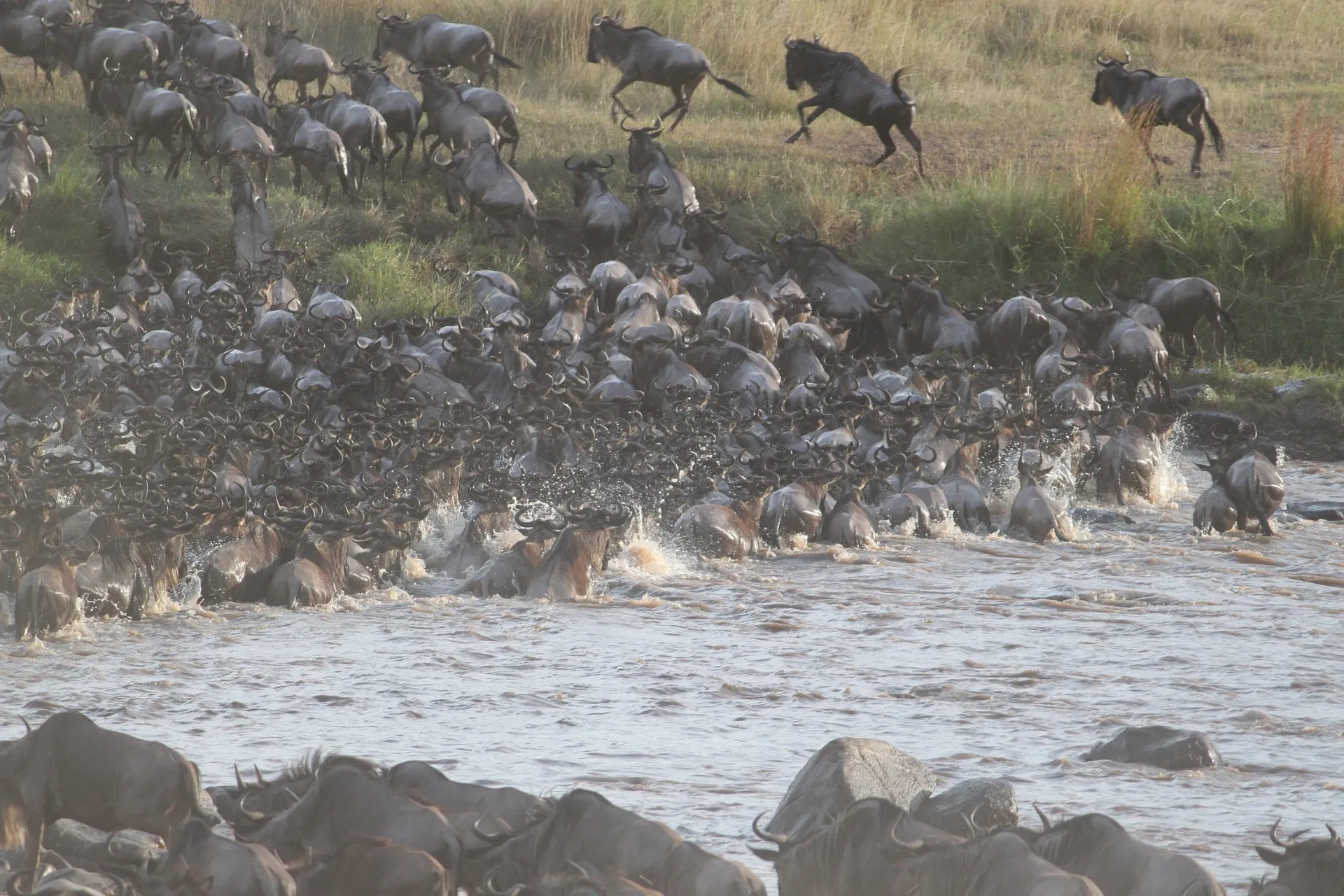
Tanzania’s diverse ecosystems and tropical climate mean that the best time to visit can vary depending on your interests and the regions you plan to explore.
The dry season, from June to October, is ideal for wildlife viewing, making it the peak period for safari tours.
During these months, the Serengeti National Park and the Ngorongoro Crater offer spectacular sights of the Great Wildebeest Migration and other wildlife congregating around water sources.
For those interested in specific wildlife events, the calving period from January to February provides a unique opportunity to witness the birth of thousands of wildebeest and other animals on the southern Serengeti plains.
On the other hand, the green season from April to May, while characterized by heavy rains, transforms the landscape into a lush, vibrant paradise and offers a more intimate experience with fewer tourists.
June to October: The Dry Season
The best time to visit Tanzania for wildlife viewing is during the long dry season. This high season lasts from June to October. As the savannah dries up, animals gather around the remaining water sources, making them easier to spot.
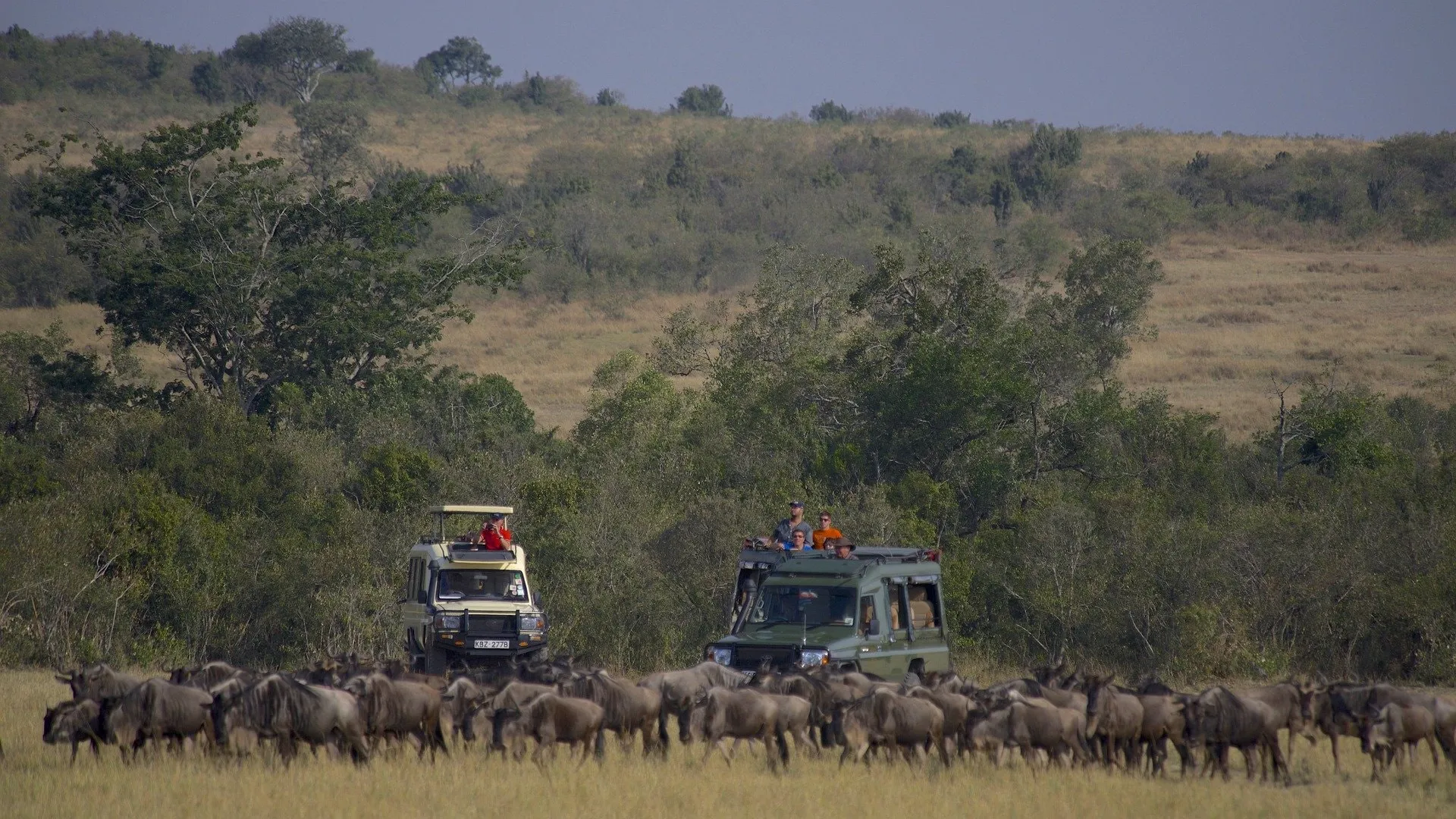
This period is particularly famous for the Great Wildebeest Migration in the Serengeti National Park, where millions of wildebeest and zebras traverse the plains in search of greener pastures.
In late June, the migration heads north, providing breathtaking views of the Grumeti River crossings.
The dry season is also ideal for climbing Mt Kilimanjaro, with clear skies and cooler temperatures providing favorable conditions for trekking.
Whether you’re exploring Tarangire National Park, Lake Tanganyika, Mount Kilimanjaro, or the Northern and Southern Serengeti, the dry season promises unforgettable wildlife sightings and the best conditions for safari tours.
January to February: Calving Season
The calving period from January to February is the best season to visit Tanzania. During these months, the southern Serengeti plains become a nursery for thousands of newborn wildebeest, zebras, and other herbivores.
This period not only offers incredible wildlife viewing opportunities but also vibrant, green landscapes perfect for photography.
The abundance of prey attracts numerous predators, making it an excellent time for spotting lions, cheetahs, and hyenas in action.
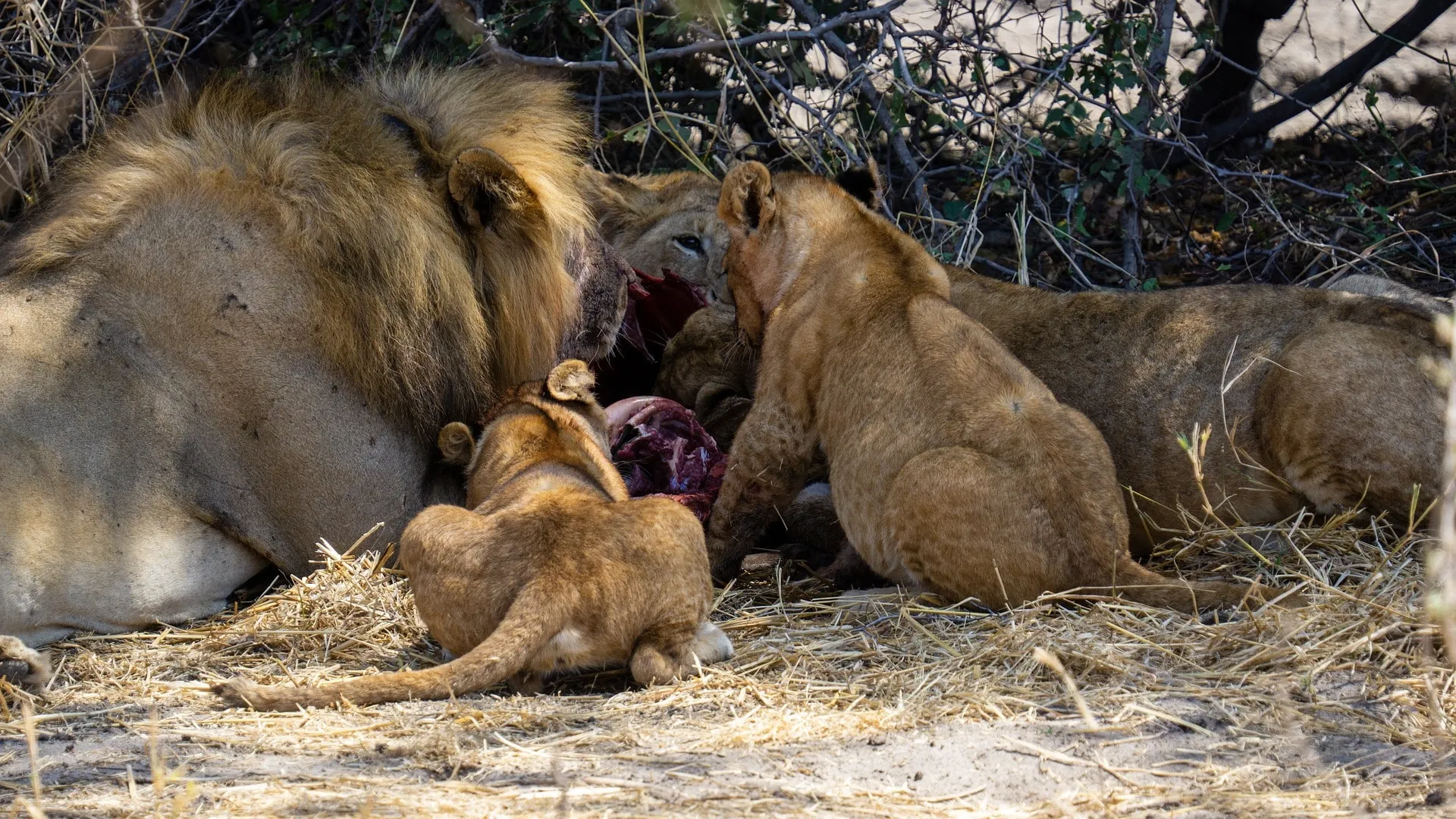
For wildlife enthusiasts and photographers, the calving period provides a unique and dynamic spectacle that is not to be missed.
April to May: The Green Season
April and May mark the low season in Tanzania, characterized by heavy rains that rejuvenate the landscape.
While the rains can present challenges such as travel disruptions and muddy roads, they also transform the parks into lush, green havens. This is an excellent time for bird watchers, as many migratory birds are present, and the scenery is incredibly photogenic.
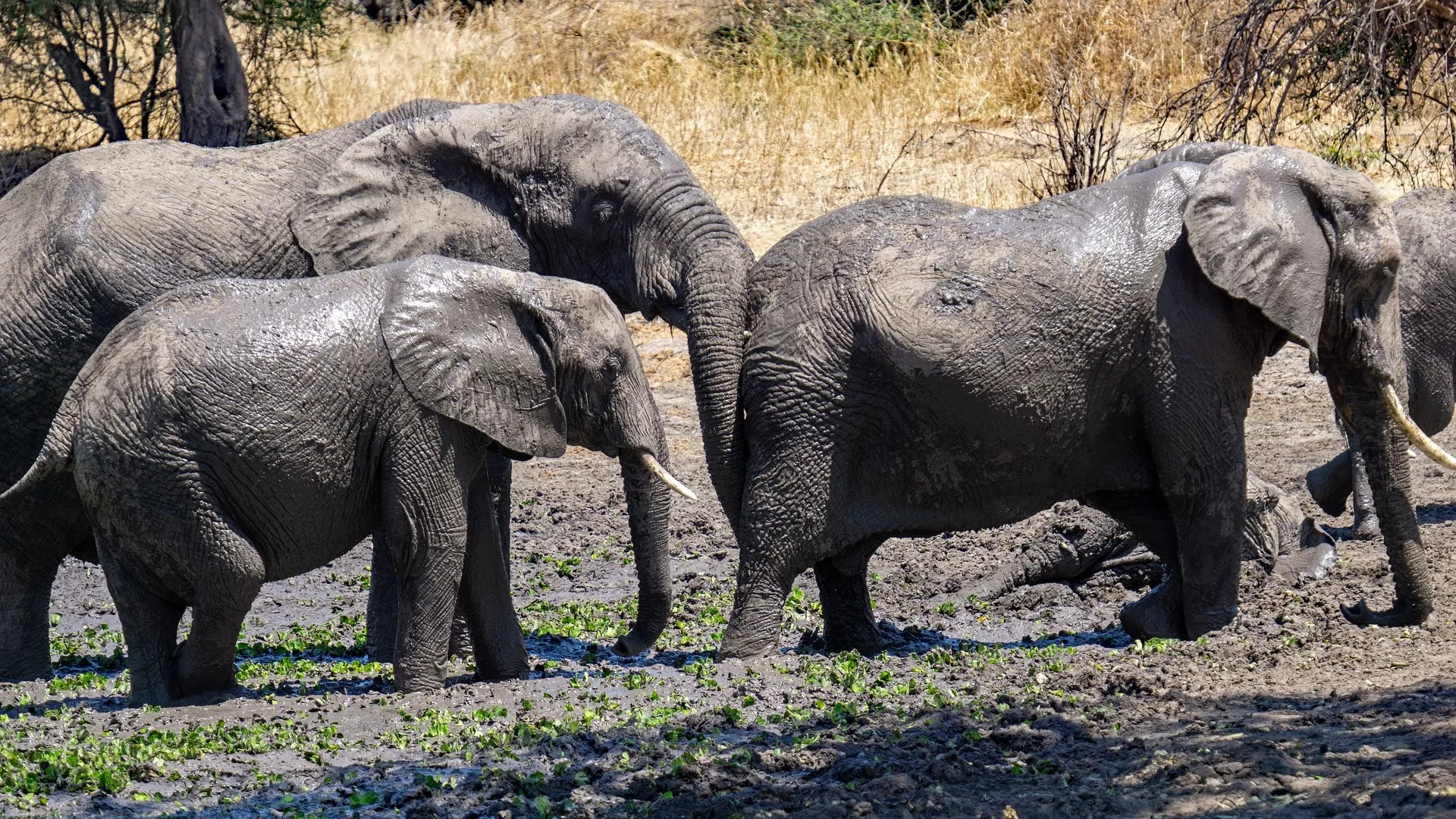
One of the significant advantages of visiting during the low season is the lower number of tourists, allowing for a more personal and tranquil experience in the parks.
Moreover, the reduced rates for accommodations and tours make it an attractive option for budget travelers.
Monthly Breakdown of Tanzania’s Climate
Tanzania’s climate varies significantly throughout the year, influencing the best times to visit based on your planned activities.
Being aware of monthly weather patterns helps you make informed decisions about when to travel and what to expect during your trip. From the scorching heat of March to the cool, dry conditions of August, each month offers unique opportunities and experiences.
Tanzania best time to travel or what is referred to as high season, is from July to September which is perfect for wildlife lovers, while the shoulder months provide a balance of good weather and fewer crowds. Whether you’re planning a safari in the northern parks or a beach holiday in Zanzibar, knowing the monthly climate variations will enhance your trip.
January
January in Tanzania is generally dry and hot, with occasional short showers at night. This is an excellent time to observe the Great Migration in the southern Serengeti, as large herds of wildebeest gather on the plains.
Lightweight, breathable clothing is recommended, but be sure to layer for cooler highland regions.
February
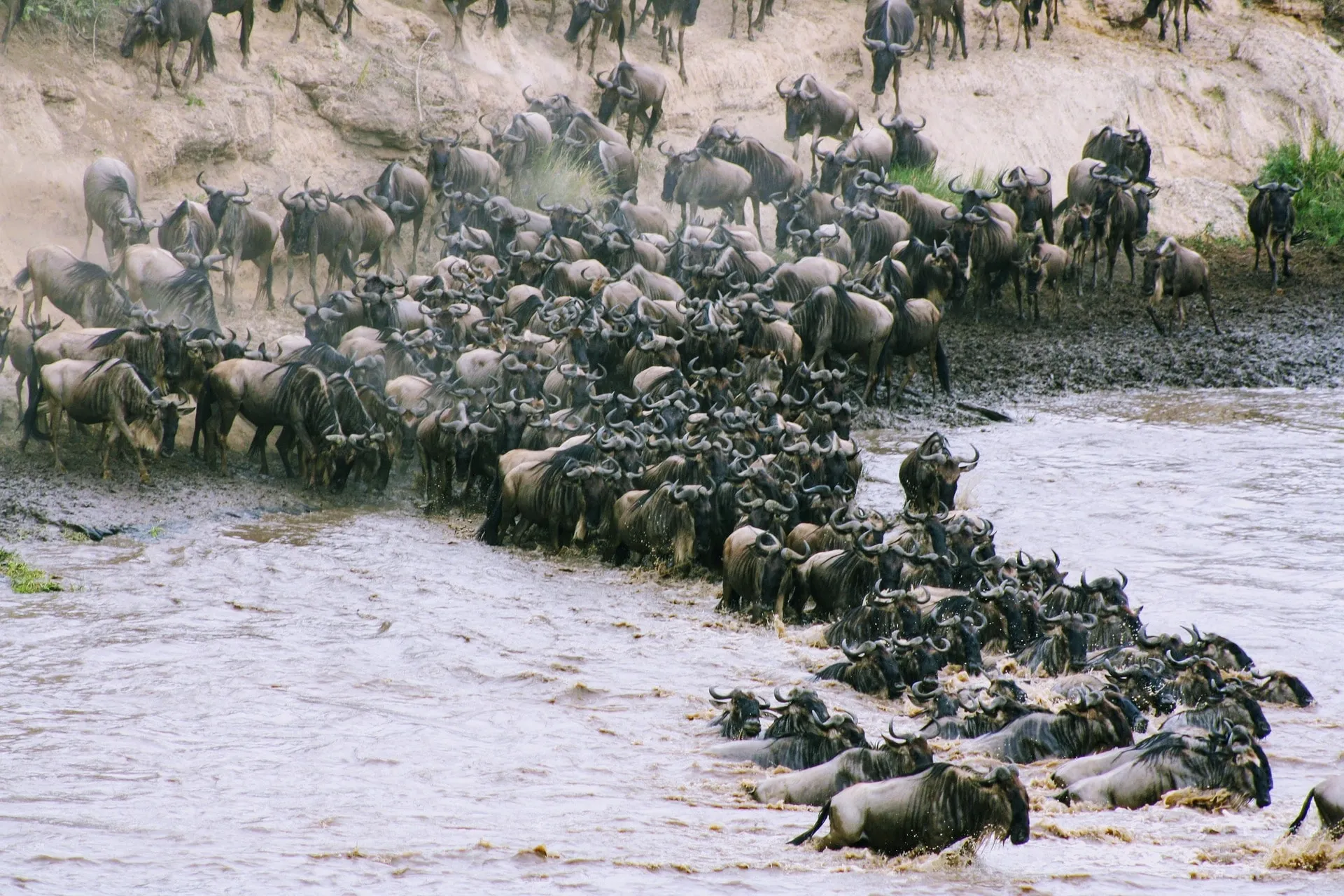
After January crossings, February is the peak of the calving period, providing a unique opportunity to witness the birth of thousands of wildebeest calves on the Ndutu Plains. The weather is favorable for wildlife viewing and trekking Mount Kilimanjaro, with cooler temperatures and clearer skies enhancing the experience.
March
March marks the onset of the long rains in Tanzania, bringing increased precipitation and humidity. Despite the rains, wildlife viewing remains favorable as animals become more active around water sources.
The warm temperatures make it an ideal month for beach holidays on the Zanzibar coast.
April
April is characterized by long rainy conditions and torrential downpours, which can disrupt travel plans and make wildlife spotting challenging. However, as it falls within the low season, this period also offers fewer tourists, lower travel costs, and vibrant, lush scenery, making it a great time for bird viewing.
May
The weather in Tanzania in May is predominantly wet, making some areas difficult to access. However, as part of the low season, the lush landscapes and lower travel costs make it an attractive option for budget travelers.
Fewer safari enthusiasts also mean a more intimate experience with nature.
June
June marks the end of the rainy season, leading to thinner vegetation and enhanced wildlife visibility. This is the beginning of the peak season, making it an ideal time in Tanzania for safaris and trekking.
July
July is the start of the peak season, with excellent wildlife viewing opportunities, particularly in Tarangire National Park where large elephant herds gather. Warmer clothing is recommended for early morning safari drives.
August
August offers dry and cool weather, perfect for outdoor activities such as trekking and safaris. Visitors can expect to see the Big Five and various flamingo species throughout the parks.
Diving conditions are also favorable, with clear waters providing excellent visibility.
September
September continues the high season with superb wildlife viewing, especially for the Great Migration in the Serengeti. Large herds of wildebeest and zebras migrate through the plains, offering exceptional photography opportunities.
On the beaches of Zanzibar, travelers may witness the hatching of sea turtles.
October
October remains dry, making it ideal for trekking and safaris. While major migration movements are in Kenya, Tanzania still offers plenty of wildlife sightings.
Pack light clothing suitable for warm weather, along with insect repellent and sunscreen.
November
November heralds the short rainy season across Tanzania. Although the short rains are lighter and less predictable than the long rains, the weather in Tanzania November brings a burst of life to the landscapes, attracting migratory birds and sharks along the Zanzibar and Mafia shores.
This makes November a great month for bird viewing and marine life encounters.
December
December marks the end of the short rains season, with rising temperatures making it a popular time to visit Zanzibar. The island becomes vibrant with festive activities, especially around Christmas, attracting many tourists.
Despite the busier atmosphere, the warm weather and bustling markets make it an exciting time for a beach holiday.
Regional Highlights by Season
Tanzania’s diverse regions each offer unique highlights depending on the season. From the year-round attractions of the Northern Parks to the hidden gems of the Southern national parks, and the idyllic beaches of the coastal areas, there’s something for every traveler.
Understanding these regional differences can help you plan the perfect trip, whether you’re chasing the Migration spectacle or relaxing on Zanzibar’s sandy shores.
Northern Parks: Year-Round Attractions
The Northern Parks, including the Serengeti National Park and Ngorongoro Crater, are renowned for their abundant wildlife and stunning landscapes.
These parks offer exceptional safari experiences year-round, with peak wildlife viewing during the dry season. Trekking Mount Kilimanjaro is also best done during the dry months from June to October, when clear skies provide breathtaking views.
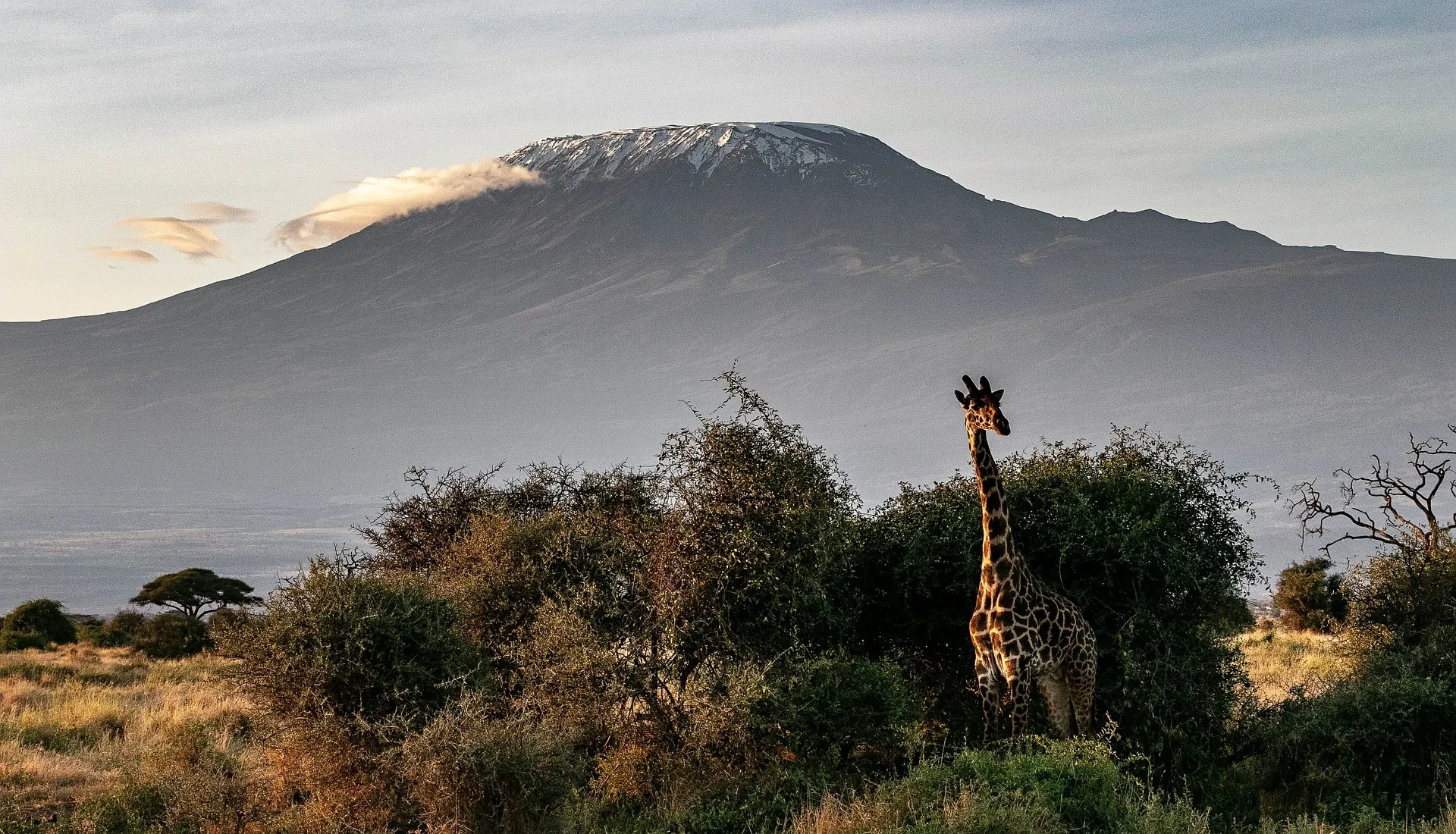
In addition to the famous parks, Arusha National Park and Tarangire National Park are also worth exploring.
Tarangire is especially notable in July for its large elephant herds, providing a spectacular sight for visitors.
Whether you’re visiting in peak season or the quieter months, the parks in Northern Tanzania promise unforgettable wildlife sightings and adventures.
Southern Parks: Hidden Gems
The Southern Parks, including Ruaha National Park, Selous Game Reserve and Mikumi National Park near Dar es Salaam, offer unique and less crowded safari experiences.
These parks are best visited during the dry season from June to October, when wildlife congregates around water sources, making sightings more frequent and dramatic. Ruaha, in particular, is known for its large populations of elephants and predators.
The Southern Parks provide a more secluded and intimate safari experience compared to the busier national parks. With fewer tourists, you can enjoy a more personal connection with nature and the stunning landscapes these parks have to offer.
Coastal Areas: Beach Holidays
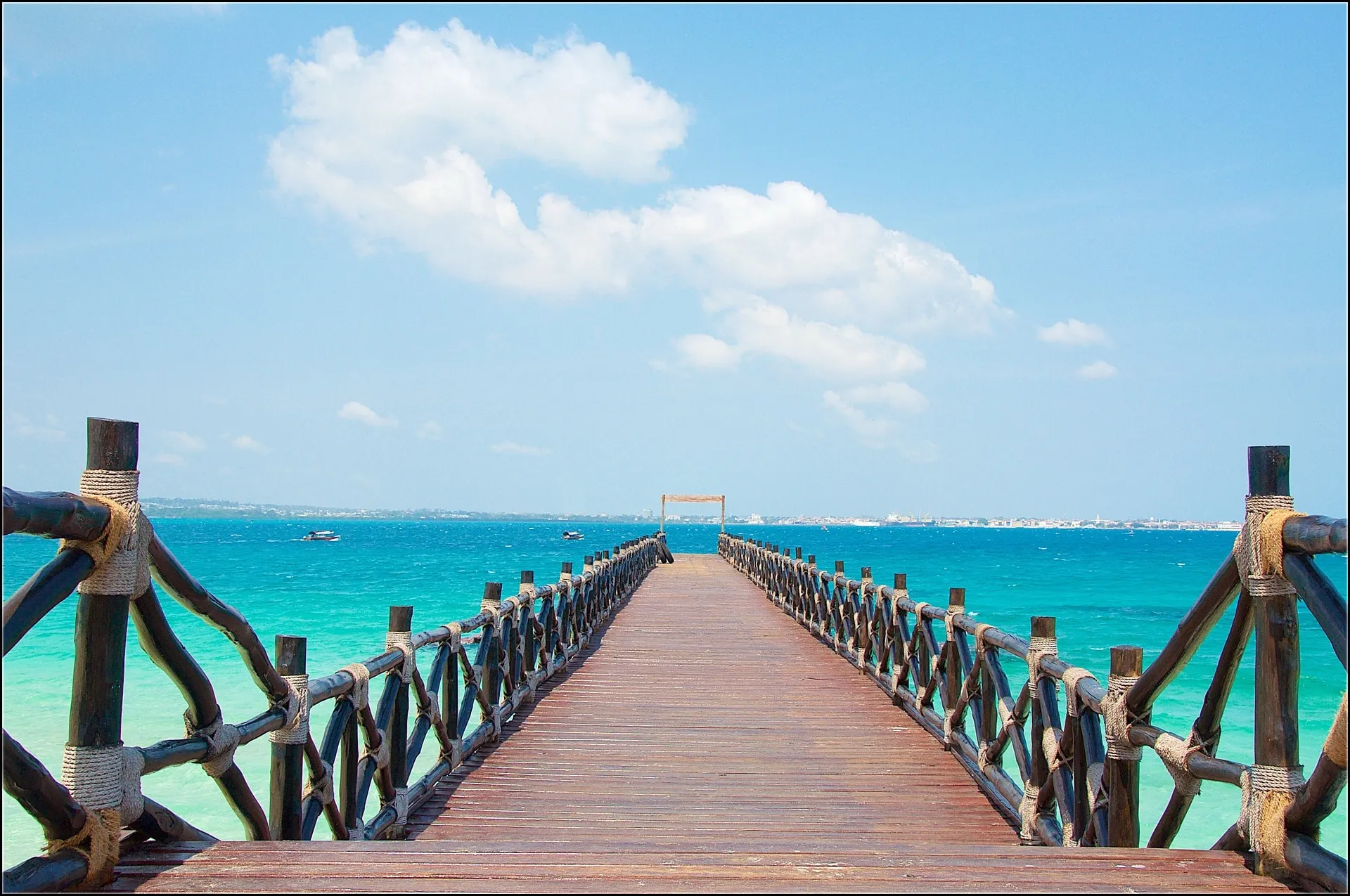
If you seek relaxation after a safari, Tanzania’s coastal areas and islands, particularly Zanzibar, provide perfect beach holidays. The best time to visit Zanzibar is from June to October, aligning with the dry season, when the weather is ideal for lounging on the beach and exploring the vibrant spice markets.
In December, the island becomes increasingly popular due to the festive atmosphere and warm temperatures. Marine life enthusiasts will find the best opportunities for diving and snorkeling from December to March, with clear waters and abundant marine life, including whale sharks.
Special Events and Wildlife Highlights
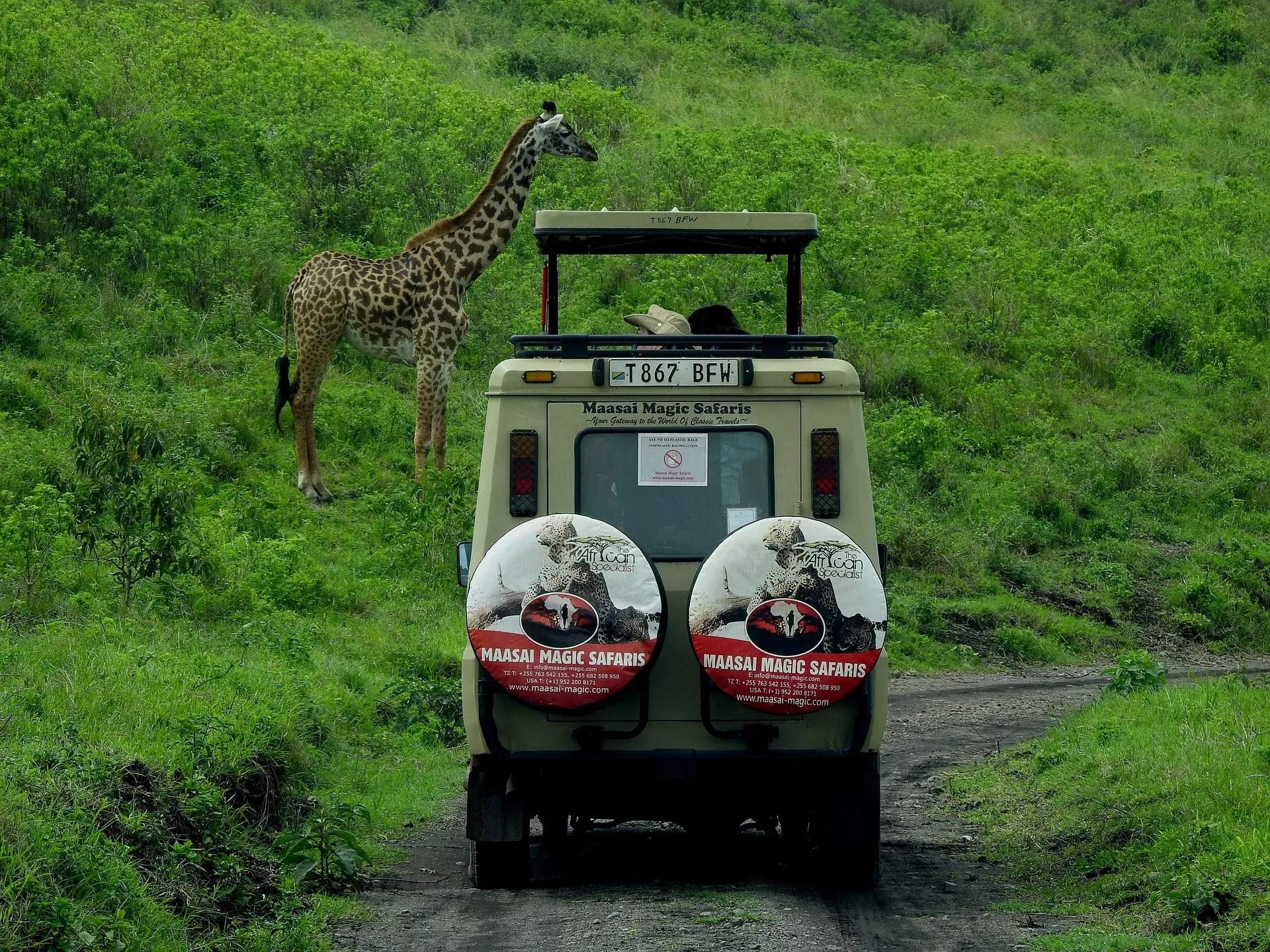
Tanzania’s special events and wildlife highlights significantly influence the best times to visit. From the dramatic Migration of wildebeests and other animals to peak bird viewing seasons and marine life encounters, timing your visit to coincide with these events can enhance your experience.
Planning around these natural phenomena ensures you witness the best of what Tanzania has to offer.
Great Wildebeest Migration
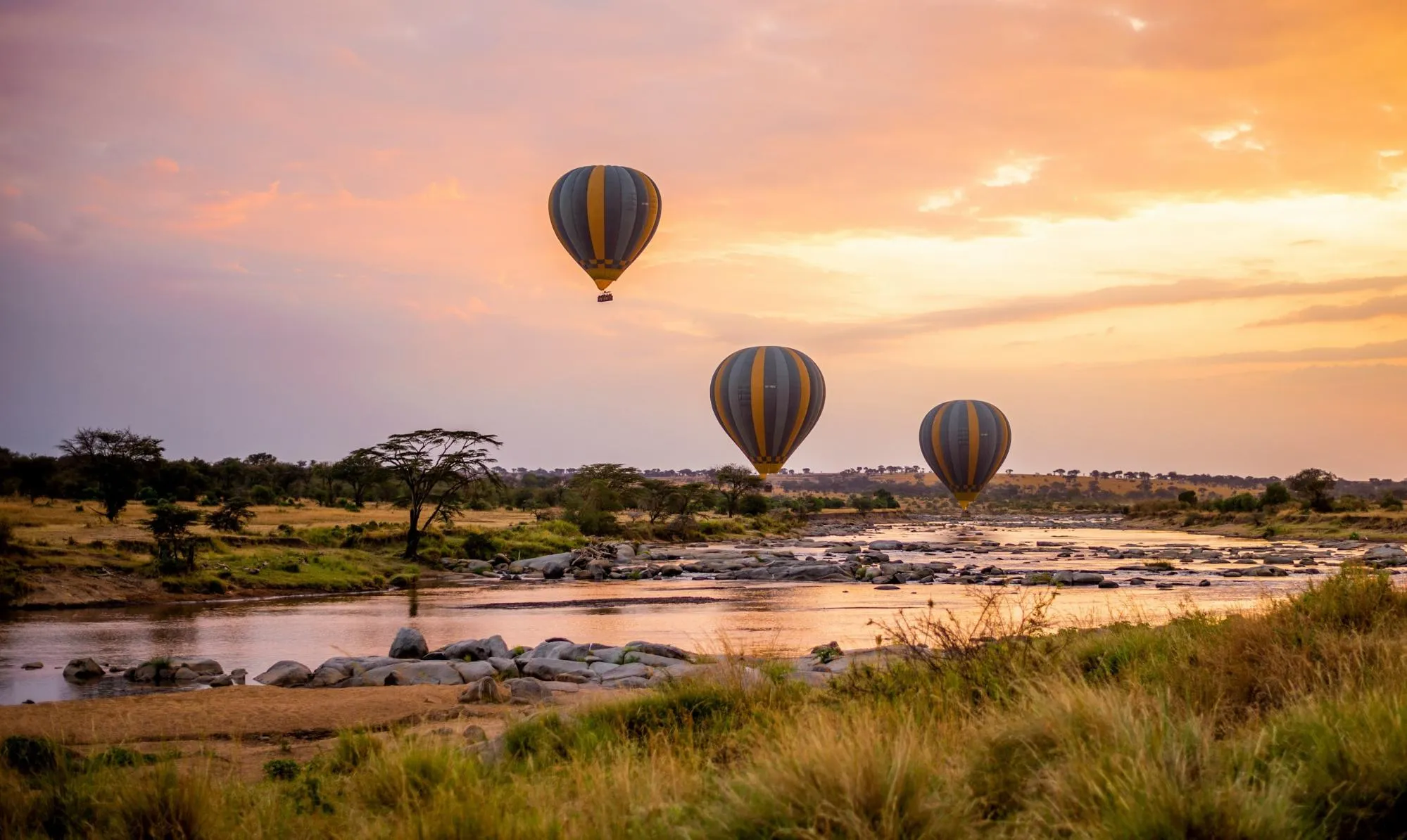
The Great Migration is one of Tanzania’s most spectacular natural events, attracting visitors from around the world. This annual migration sees millions of wildebeest, zebras, and other herbivores journey across the Serengeti in search of fresh grazing grounds.
The peak period for witnessing this awe-inspiring event is from June to October, with dramatic river crossings occurring between July and September.
Following the migration route offers unparalleled wildlife viewing and photography opportunities. Whether you’re watching the herds cross the Grumeti and Mara rivers or observing the calving phase in the southern Serengeti, the Migration is a must-see for any wildlife enthusiast.
Bird Watching Seasons
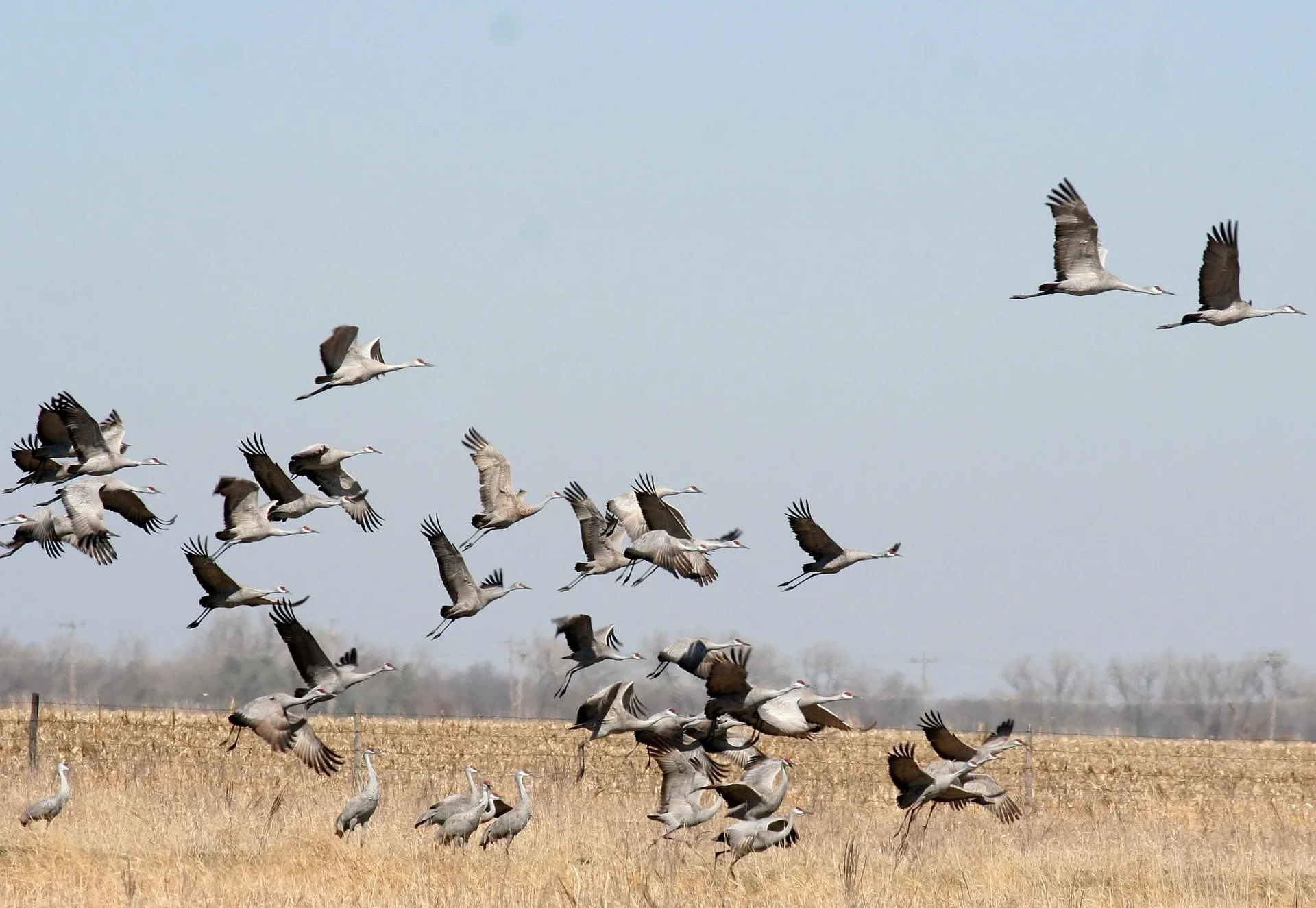
Tanzania is a bird watcher’s paradise, especially during the rainy seasons when migratory birds flock to the region. The best bird watching opportunities arise from November to April, coinciding with the green or wet season.
During these months, the national parks and landscapes are lush and vibrant, attracting a wide variety of bird species.
Peak bird watching occurs from December to March, when the highest number of migratory birds can be observed.
From the wetlands of Arusha National Park and Katavi National Park to the coastal areas of Zanzibar, Tanzania offers diverse habitats that support an impressive array of birdlife.
Marine Life Encounters
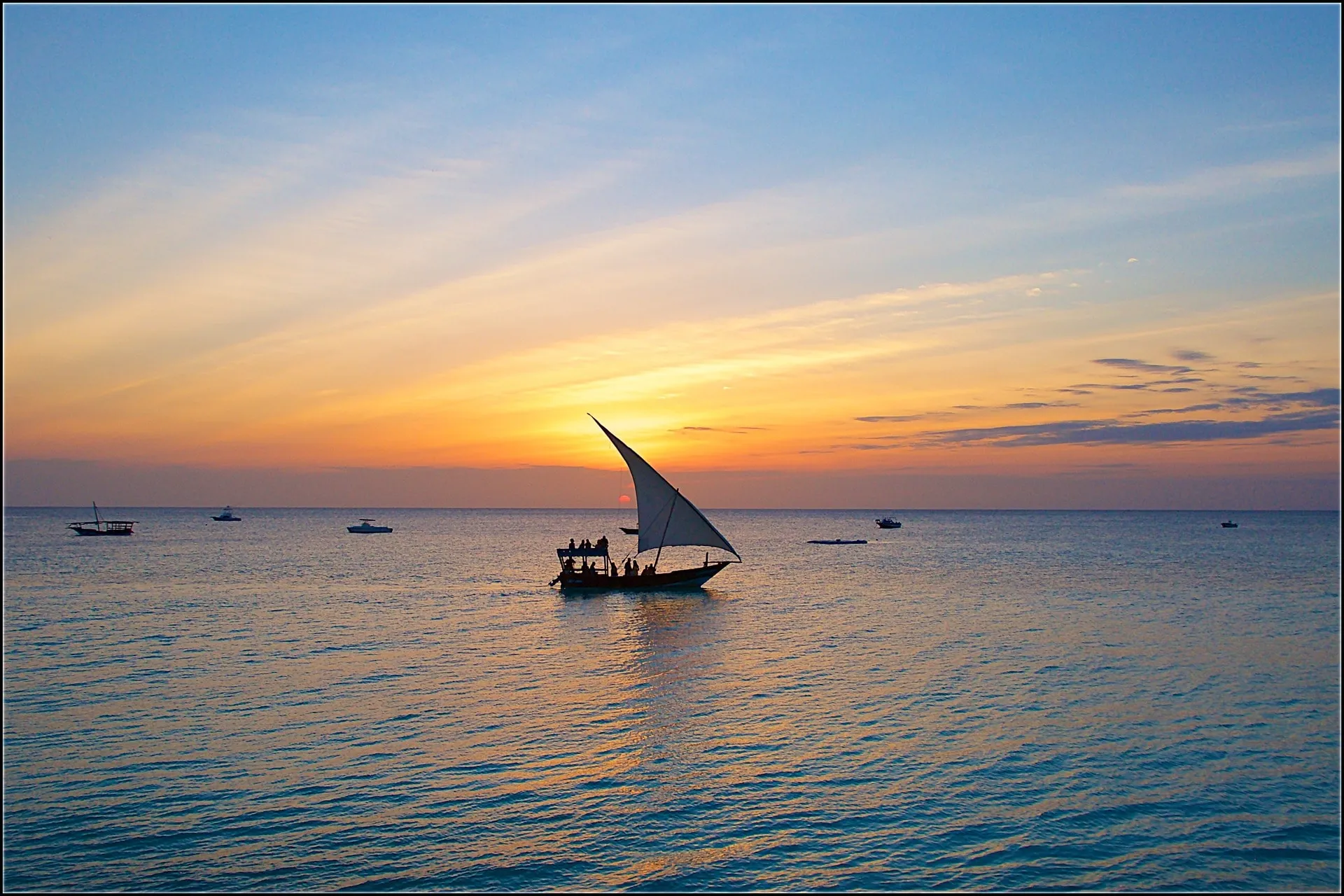
Tanzania’s coastal waters are teeming with marine life, making it an excellent destination for underwater adventures and beach trips.
Whale sharks, the gentle giants of the sea, can often be seen off the coast of Zanzibar and Mafia Island from October to March.
The best time for spotting these majestic creatures is from November to April, when the waters are warmer and clearer.
In addition to whale sharks, Tanzania’s coastal areas offer encounters with green turtles, dolphins, and a myriad of colorful fish.
Whether you’re diving, snorkeling, or simply enjoying a boat tour, the marine life around Tanzania’s islands is sure to leave a lasting impression.
Travel Tips for Different Seasons
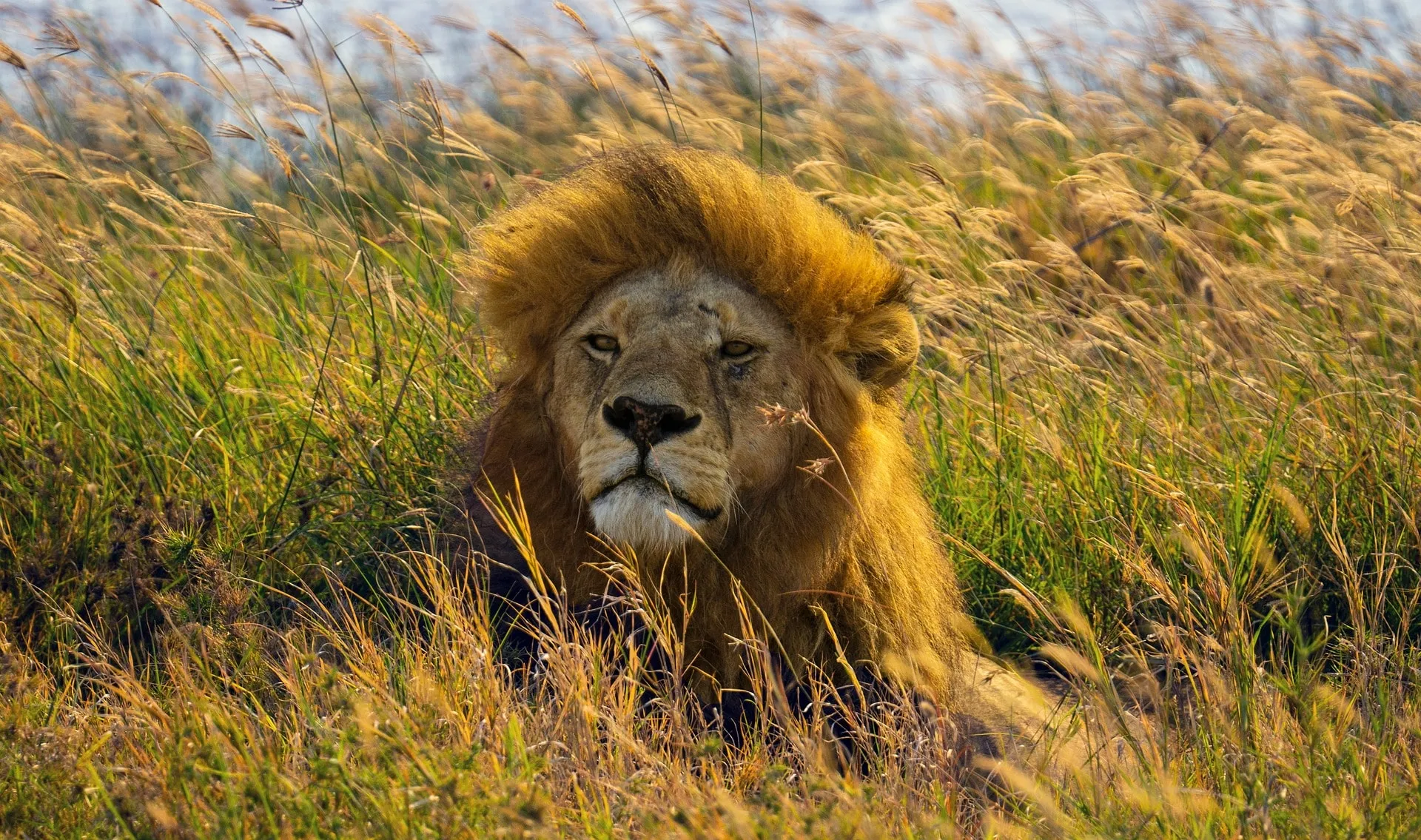
Planning a trip to Tanzania requires careful consideration of the season and its associated weather patterns. These tips, from packing essentials to health precautions and booking recommendations, ensure a smooth and enjoyable journey.
Whether you’re visiting during the peak season or the quieter months, being prepared is key to making the most of your adventure.
Packing Essentials
Packing for Tanzania means preparing for a variety of weather conditions and activities. Lightweight, breathable clothing is essential for the hot months, while layers are necessary for cooler highland areas.
Don’t forget sturdy hiking boots for trekking, a hat, sunglasses, and high-SPF sunscreen for protection against the sun, and insect repellent to guard against mosquitoes.
Health Precautions
Health precautions are paramount when traveling to Tanzania. Ensure vaccinations for diseases such as yellow fever, hepatitis A, and typhoid are up to date. Malaria is prevalent, so taking anti-malarial medication and using insect repellent is highly recommended.
Additionally, practice good food and water hygiene to prevent illnesses.
Booking Recommendations
Booking accommodations and tours well in advance is crucial, especially during the peak season from June to October. This ensures you secure the best rates and availability across many lodges in Tanzania.
For a smooth trip, many lodges recommend that you book several months ahead, particularly for popular destinations like the Serengeti and Zanzibar.
Summary
In summary, the best time to visit Tanzania is tailored to your personal interests and desired experiences.
The dry season from June to October is perfect for unparalleled wildlife viewing and witnessing the Great Migration, while the calving season and wet season offer unique and exciting opportunities for different types of adventurers.
With AJKenyaSafaris.com as your guide, you’ll navigate the climate variations and regional highlights with ease, ensuring a trip that perfectly aligns with your expectations.
Whether you’re eager to witness the Migration season, indulge in bird watching, or relax on stunning beaches, Tanzania guarantees an unforgettable journey.
So pack your bags, plan your adventure with our expert team, and get ready to explore the wonders of this magnificent country like never before!
Frequently Asked Questions
When is the best time to visit Tanzania for wildlife viewing?
The best time for wildlife viewing in Tanzania is during the dry season from June to October, as animals congregate around water sources, enhancing your chances of spotting them.
There is also fewer mosquitoes during this period. The wet season is normally muddy and movement can be hindered, and animals are always sheltered.
What is the Great Wildebeest Migration, and when can I see it?
The Great Migration is an annual event involving millions of wildebeest and other herbivores moving through the Serengeti.
You can best witness this spectacle between June and October, especially during the dramatic river crossings from July to September.
What should I pack for a trip to Tanzania?
When packing for Tanzania, prioritize lightweight, breathable clothing, sturdy hiking boots, and essential accessories like a hat, sunglasses, high-SPF sunscreen, and insect repellent.
These items will ensure you’re prepared for both hot climates and cooler highland areas.
Are there any health precautions I should take before visiting Tanzania?
It’s essential to get vaccinated for yellow fever, hepatitis A, and typhoid before visiting Tanzania. Additionally, take anti-malarial medication, use insect repellent, and maintain good food and water hygiene to protect your health.
When should I book my accommodations and tours for a trip to Tanzania?
To ensure you get the best rates and availability, it’s advisable to book your accommodations and tours several months in advance, particularly during the peak season from June to October.
